Explore jobs
Find specific jobs
Explore careers
Explore professions
Best companies
Explore companies
This question is about information technology assistant.
How to start an IT career?
You start a career in IT by researching roles and positions, learning how to code, and obtaining the proper education/certifications. Before you can begin a career in IT, you need to know which area interests you. The field of IT is very diverse, and there are many specialties.
Some possible areas for a career include:
Systems Administrator
Network Engineer
Software Developer
DevOps Specialist
When you've finished your initial research, create a short list of potential jobs. With your ideal jobs in mind, continue to research the qualifications necessary to be hired for the roles you chose. By doing this, you can focus your education and training to prepare you for your desired positions better.
With any job in the IT field, it is important that you understand coding languages. Luckily, it is not very difficult to learn how to code. You can learn how to code through coding boot camps and self-education, and this can help you build your online portfolio that can be useful if you want to pursue a career in coding or programming languages.
If you are new to programming, you may want to explore free online resources on coding and take some practice assignments to determine if you want to make a career out of it.
One of the first steps that you can take when planning to learn how to code is to take advantage of free online coding resources. There are countless online sources (like Khan Academy and freeCodeCamp) that provide free, self-directed resources that allow you to try your hand at coding.
Clearly, these courses are not intensive or comprehensive and will not prepare you fully for working in programming. These courses are designed to give you a better insight into how coding works and provide you with exercises to practice basic skills.
Once you are comfortable with coding basics, you can further your education with a coding boot camp. Coding boot camps are intensive programs that help you build foundational knowledge in core technologies. It is important to note that boot camps will not have the time or bandwidth to delve into more theoretical concepts.
Unlike university computer science programs, boot camps are designed with a strong emphasis on practical skills and hands-on experience that employers are looking for when hiring. Skills taught in boot camps can include (but are not limited to):
HTML
CSS
JavaScript
Database manipulation
Server-side development
Web applications
C#
Java
Python
Go
By the end of boot camp, you should have a level of comfort, familiarity, and knowledge of coding. You will also receive a certification that proves you have marketable skills, work well under tight deadlines, and are able to submit high-quality assignments. This high quality will enable you to hit the ground running on your first day on the job.
Once you have decided on a career path, enroll in education or certification programs to solidify your candidacy. Depending on the path you have chosen, this could mean an associate's or bachelor's degree program or a certification exam.
For example, a software developer may just need a few courses or to pass a certification exam, while a network engineer would need to pursue a bachelor's degree in computer science, engineering, or a related field.

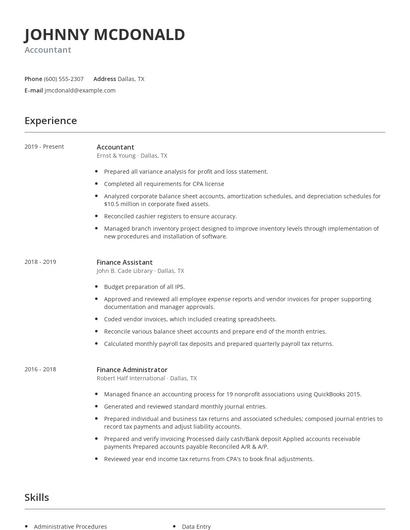
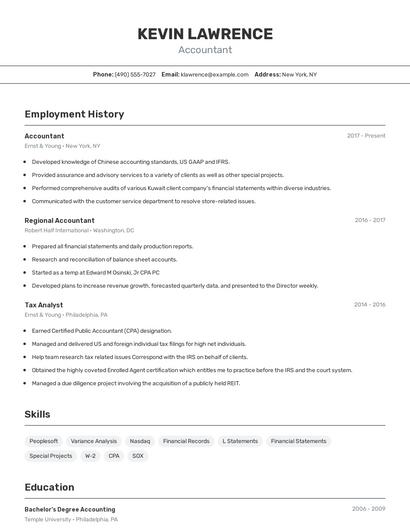
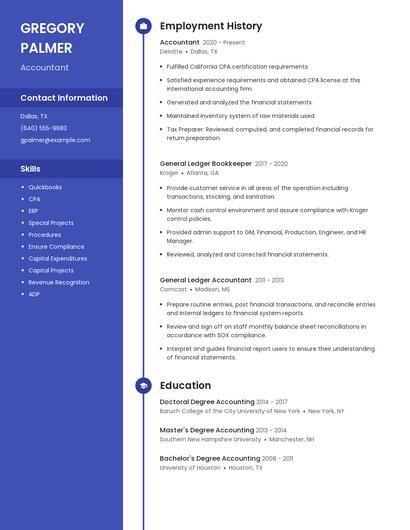
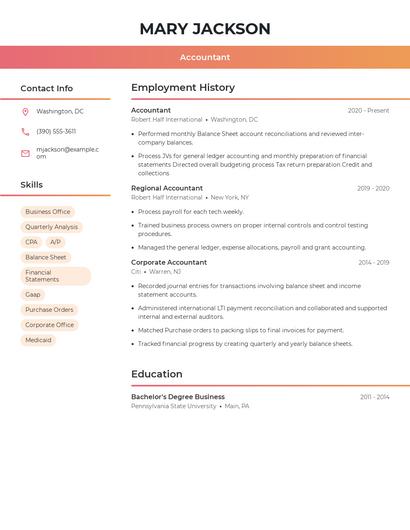
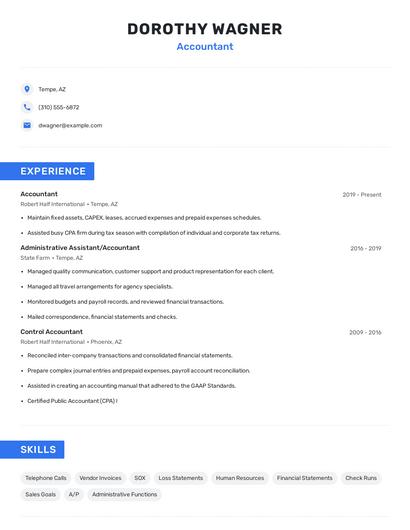
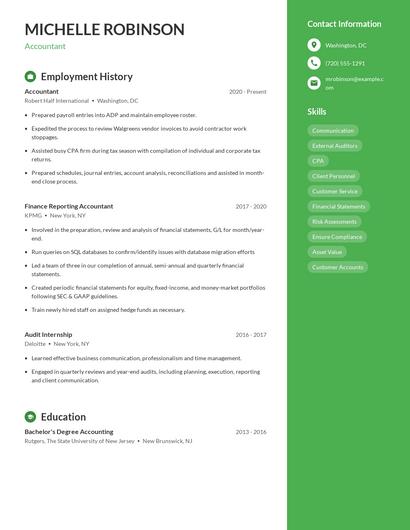
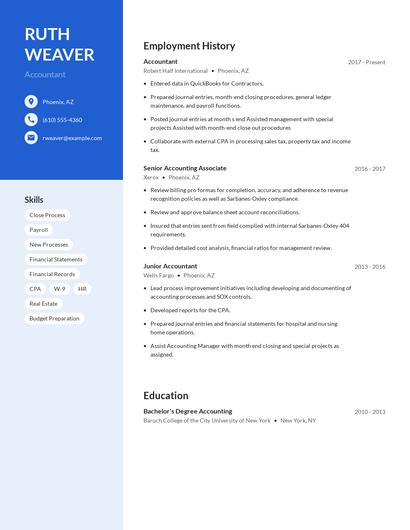
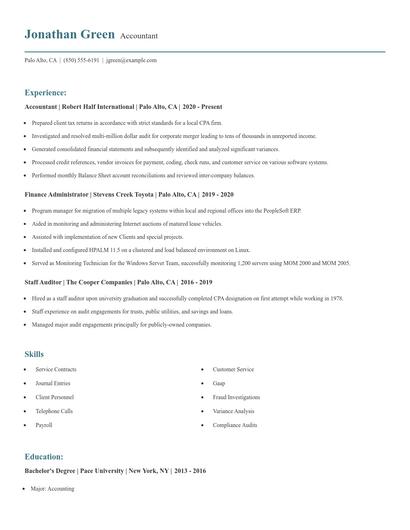
Choose from 10+ customizable resume templates
Zippia allows you to choose from different easy-to-use templates, and provides you with expert advice. Using the templates, you can rest assured that the structure and format of your resume is top notch. Choose a template with the colors, fonts & text sizes that are appropriate for your industry.