Explore jobs
Find specific jobs
Explore careers
Explore professions
Best companies
Explore companies
This question is about biomedical engineer.
Is it hard to be a biomedical engineer?
No, it is not hard to be a biomedical engineer. At least, no harder than any other kind of engineer. While this field, in general, is hard to get into, for people who have an aptitude for engineering, it is challenging but rewarding.
Biomedical engineering is no more difficult than any other field of engineering. All engineering students start the first two years studying the fundamentals of math and physics.
Once a person graduates with their degree, the work of a biomedical engineer is challenging but not particularly hard or stressful. This is compared to other fields of healthcare which require long hours and rigorous physical and mental demands on the body.
While not all biomedical engineering jobs include research and development as part of the job responsibilities, most do. Research and development are about creating, designing, and improving products and services.
For example, they may design computer software to run complicated instruments, such as three-dimensional x-ray machines. Others use their knowledge of chemistry and biology to develop new drug therapies. Still, others draw on math and statistics to understand signals transmitted by the brain or heart.
Biomedical engineers focus on advances in technology and medicine to develop new devices and equipment for improving human health. They might design software to run medical equipment or computer simulations to test new drug therapies. They also design rehabilitative exercise equipment.

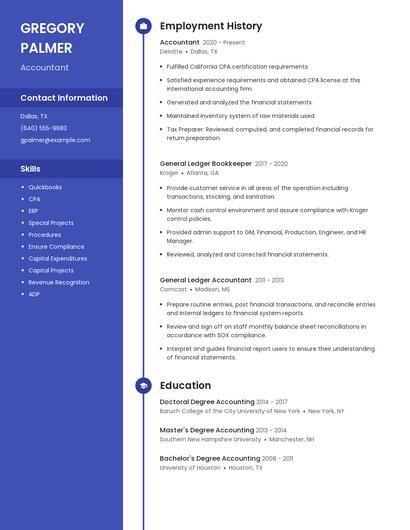
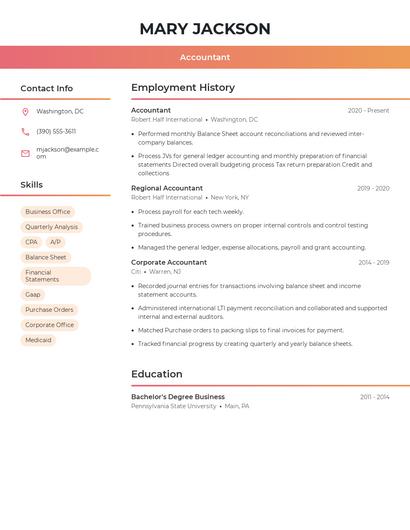
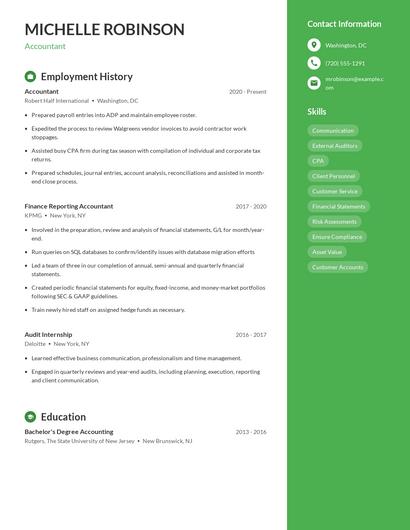
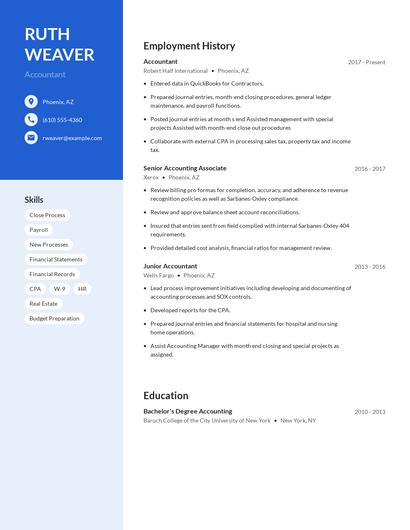
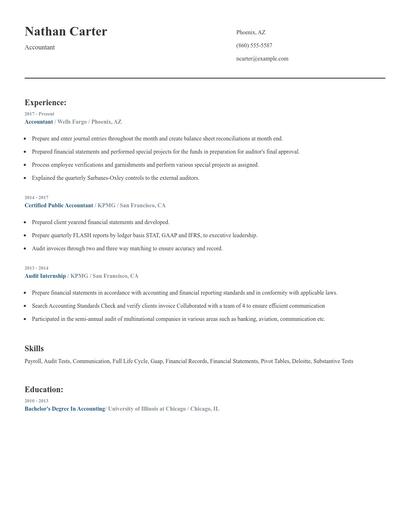
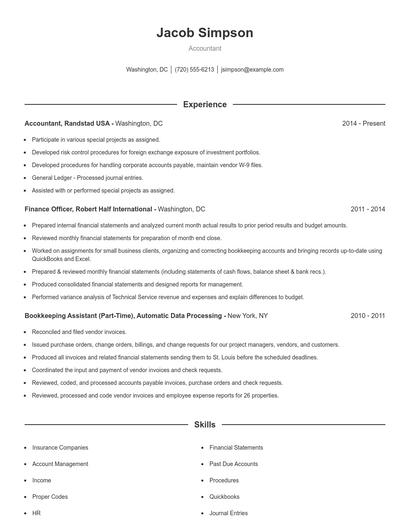
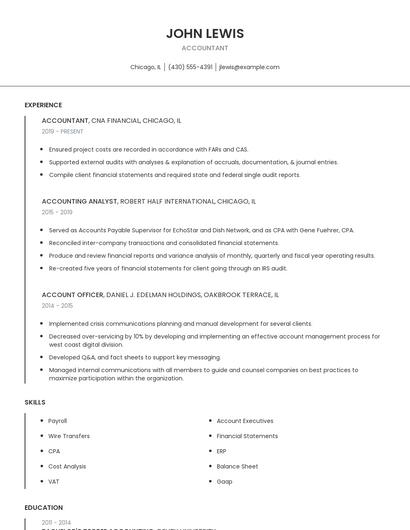
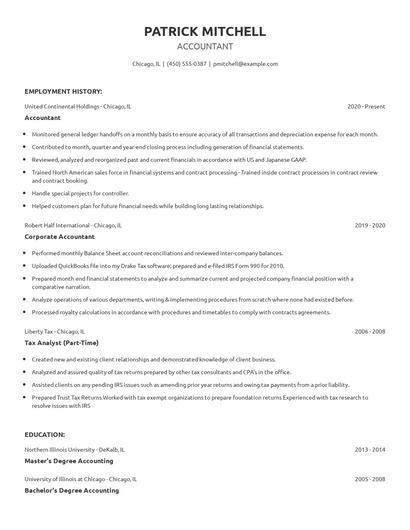
Choose from 10+ customizable resume templates
Zippia allows you to choose from different easy-to-use templates, and provides you with expert advice. Using the templates, you can rest assured that the structure and format of your resume is top notch. Choose a template with the colors, fonts & text sizes that are appropriate for your industry.