Explore jobs
Find specific jobs
Explore careers
Explore professions
Best companies
Explore companies
This question is about cardiologist.
What are careers in cardiology?
Being a cardiology doctor, a medical writer, or a hospital administrator are careers in cardiology.
Cardiologist
A cardiologist is primarily responsible for preventing, diagnosing, and using medication to treat conditions of the heart. Cardiologists do not perform surgery on the heart but will refer their patients to a cardiothoracic surgeon when needed.
In certain circumstances, cardiologists may perform both simple and advanced interventions, such as percutaneous coronary interventions, catheter-directed ablations, pacemaker implantation, and more. A cardiologist may also be responsible for follow-up care and treatment of patients who have had cardiothoracic surgery.
Cardiologists also work with primary care physicians to ensure a continuity of care for the patient. A cardiologist can work independently within a private physician practice, within a medical group, and in connection with one or several hospitals. They often work irregular hours and long days to ensure they can see their patients when needed.
Medical Writer
Another option in the cardiology field is a medical writer. Physicians, especially cardiologists, are privileged to be involved in some of the most intense and significant moments in their patients' lives. They meet people from all walks of life - from the indigent to the infamous - and witness the glaring insufficiencies of social contracts.
They are repeatedly humbled by the resilience of the human body and spirit and the limits of our own capabilities. While being part of a storied and ancient profession, cardiologists work on the leading edge of knowledge and push the boundaries of what is known to explore the unknown.
These experiences naturally lend themselves to storytelling in various forms and outlets, including medical journals, news sites, blogs, and books. Almost all clinician-writers continue to see patients regularly, as it is the day-to-day practice of medicine that informs their writing most and creates this rich tapestry of experiences.
It is not uncommon for clinicians to become full-time medical writers upon retirement from practicing medicine in a clinical setting. Examples of extraordinary medical writers include:
Oliver Sacks
Sherwin B. Nuland
Atul Gawande
Anton Chekhov
W. Somerset Maugham
Hospital Administrator
For physicians that are looking to take on a leadership role in their careers, becoming a hospital administrator or a position in health system leadership is another option to explore.
Cardiologists may be particularly well-suited to such careers as they have broad health system exposure, including emergency/acute/critical care, radiology and surgical or procedural services, and inpatient and ambulatory care.
Physician-leaders often get their start by successfully running specific health system initiatives or developing expertise in areas of broad priority (e.g., health equity or information technology).
Health system leaders can work in diverse areas ranging from clinical operations, strategy, human resources, quality and safety, and administration. These roles are available within and outside academic centers. Moreover, some physician leaders assume non-clinical healthcare delivery roles.

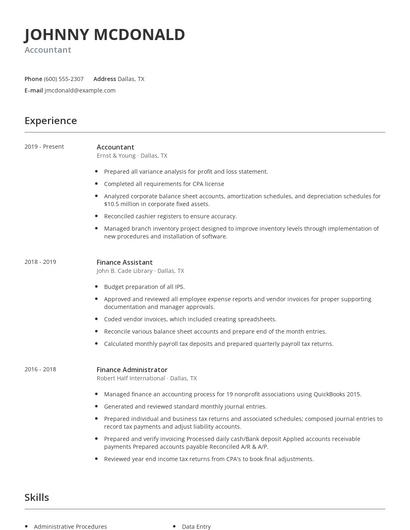
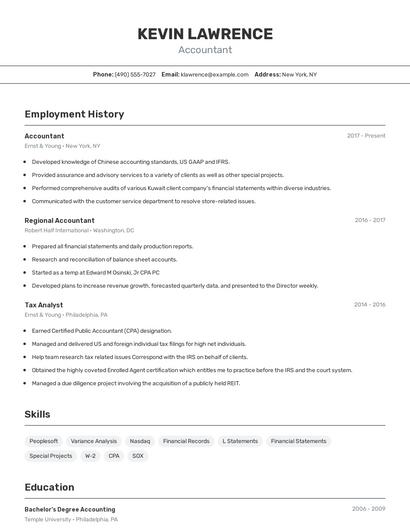
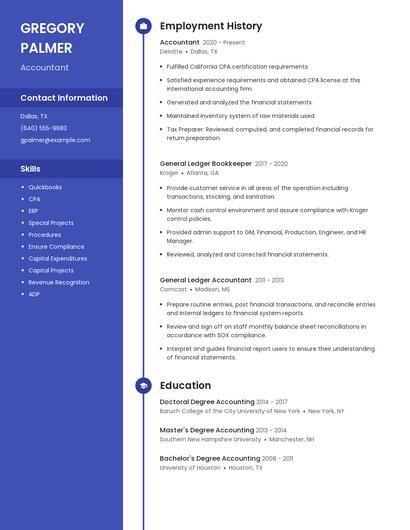
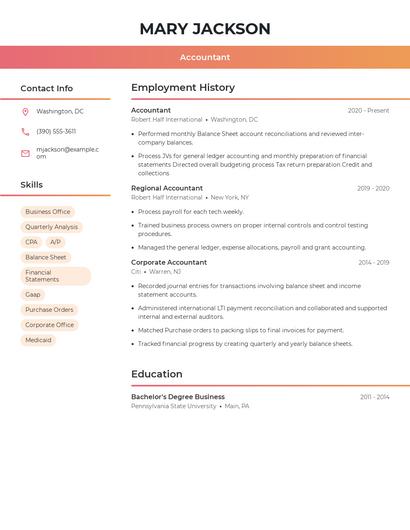
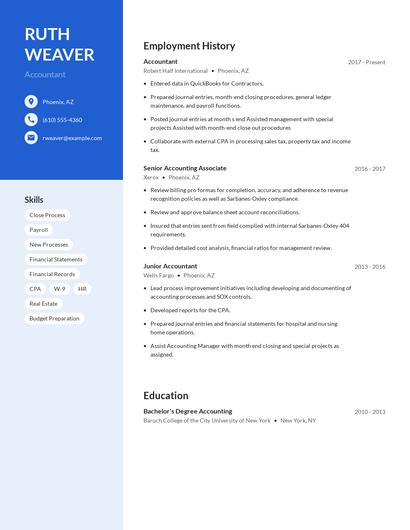
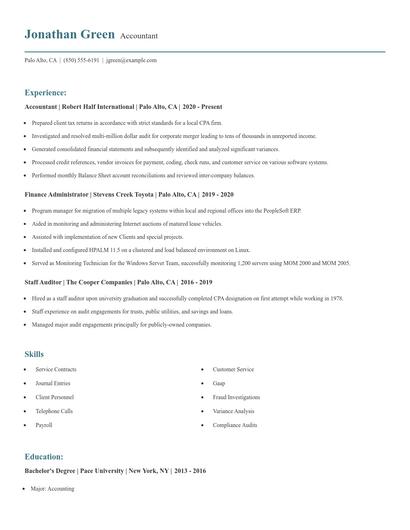
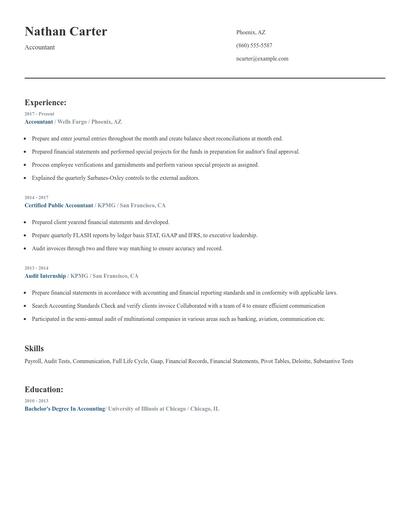
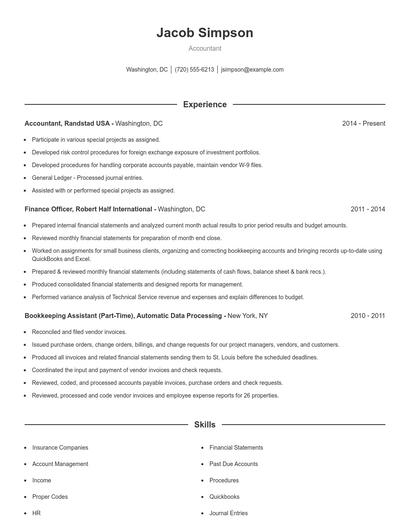
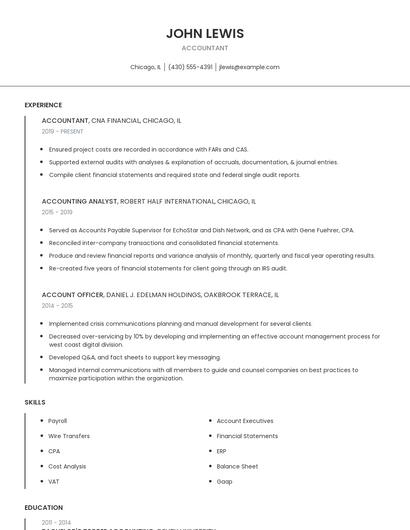
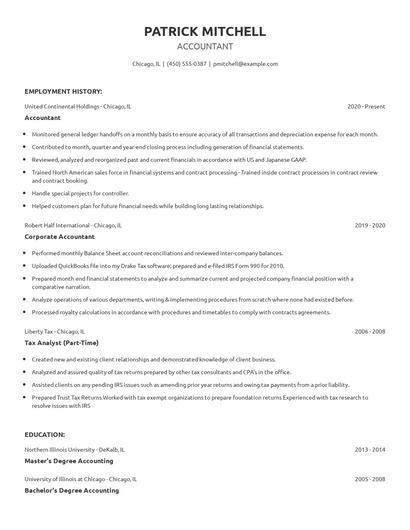
Choose from 10+ customizable resume templates
Zippia allows you to choose from different easy-to-use templates, and provides you with expert advice. Using the templates, you can rest assured that the structure and format of your resume is top notch. Choose a template with the colors, fonts & text sizes that are appropriate for your industry.