Explore jobs
Find specific jobs
Explore careers
Explore professions
Best companies
Explore companies
This question is about real estate developer.
What are careers in real estate development?
Real estate developers, real estate investors, and building inspectors are careers in real estate development. Here are some details about these careers and others in real estate development:
Real estate developer
A real estate developer manages the duties that come with the process of developing real estate and making real estate sales to clients.
They might purchase land or property, help with the financing of a real estate transaction, consult and hire a builder and construction team to design and build a structure, such as a home, apartment building, or commercial building, and then figure out how to market the building or property to clients.
Real estate developers often assume the most risk in real estate deals because they have invested capital into a specific plot of land or property. They also take existing structures and convert them into different functional spaces. In addition, they may destroy or level an existing structure to construct a new building in its place.
Real estate developers tend to collaborate with various other professionals when executing their job. These include engineers, architects, contractors, city planners, inspectors, leasing agents, surveyors, and attorneys.
In most states, a real estate developer must hold a state license to legally perform their job. There are many different pathways to becoming a real estate developer; some have worked in construction, law, architecture, urban planning, and finance.
The average salary of a real estate developer in the United States is $77,310 per year; however, there are real estate developers that can make extremely high salaries.
Real estate investor
A real estate investor is very similar to a real estate developer in some ways; however, they generally do not take on the size of projects some real estate developers do.
Real estate investors buy properties with the intent of reselling them or renting them out. Certain real estate investors may lack the personal amount of capital it takes to buy properties, so they perform their jobs on behalf of an individual or company that has adequate funds to do so.
Real estate investors come in three different forms. Wholesalers are real estate investors who buy property at a discounted rate and then sell it for a higher price.
House flippers are real estate investors who buy a home and renovate it, and then move to resell it at a higher price.
Landlords are real estate investors who buy homes, apartment buildings, or other living dwellings with the intent to rent them out to tenants.
Real estate investors can make an array of different salaries, depending on how often they resell properties or how many properties they own that are being rented out.
Building inspector
A building inspector's role is very much the same as a home inspector's; the only real difference is that, generally, they inspect structures, such as apartment buildings and commercial buildings.
At these locations, they determine if the structure and all of the inner workings of the building are sound. However, some building inspectors choose to take a more specialized career path. For example, they may choose to only inspect buildings made of steel or reinforced concrete structures.
Building inspectors work closely with real estate developers, especially when a developer is seeking to convert or renovate an existing building.
Most employers require at least a high school diploma or equivalent to become a building inspector. Many also choose to get bachelor's degrees in areas like structural engineering and construction management.
A mandatory qualification for this career path is to have a certain amount of training in the field. Training requirements vary from state to state. Most building inspectors get training on the job. Typically they will work under an experienced building inspector and learn about building codes, ordinances, and regulations.
Urban Planner
An urban planner is a designer and planner of neighborhoods, specialized communities, and other locations within a town or city. They seek to make efficient use of the land in these areas to create projects involving a building, multiple buildings, or a community of buildings.
Urban planners must take into consideration other town and city factors, such as public transit, libraries and schools, and communal recreational areas. They must also keep in mind projected growth rates in terms of a city or town's population. In this way, they are planners for the future of a city or town.
Urban planners also revitalize neighborhoods that are in decay or in need of renovations. Oftentimes they will communicate with community residents to find out what they think needs improving or what kind of projects would enhance their daily lives.
Urban planners often work with real estate developers on specific city projects. Some urban planners also become real estate developers.
Most employers prefer urban planners with a master's degree in urban planning, civil engineering, environmental design, public administration, or another related field.
The average salary of an urban planner in the United States is $71,103 per year.
Civil Engineer
A civil engineer is a professional who manages and supervises the building of public infrastructure. They design and perform maintenance on public infrastructures, such as public and private buildings, airports, water systems, and roads.
Civil engineers work with real estate developers often and advise them on safety concerns, laws, and regulations concerning structures and buildings.
Civil engineers assess the feasibility of a given project by evaluating design practicality and collaborating with structural engineers. They also may review government regulations regarding a particular project or site and ensure project sites meet specific codes and law requirements.
In addition to working with other engineers, civil engineers may also collaborate closely with urban planners, architects, and city or town officials to ensure the safety and effectiveness of public projects.
Most civil engineers have a master's degree in civil engineering or another form of engineering.
The average salary of a civil engineer in the United States is $87,181 per year.

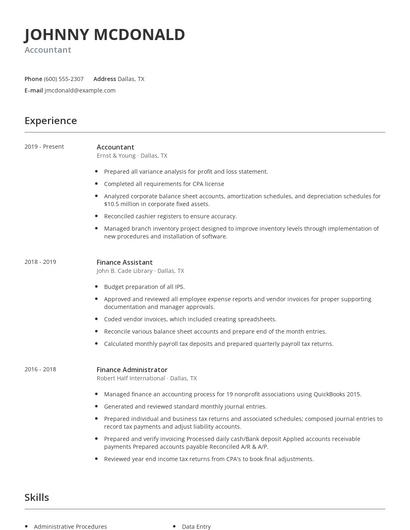
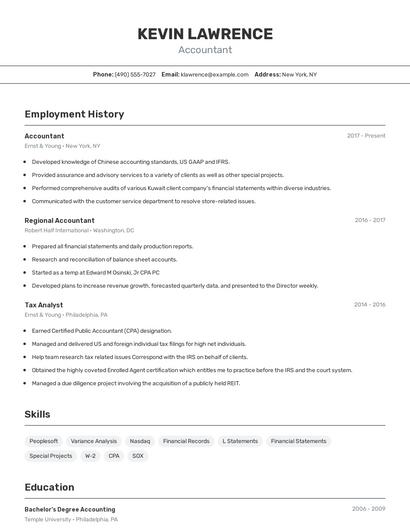
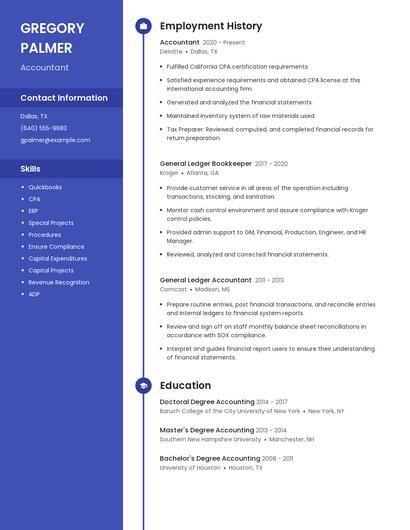
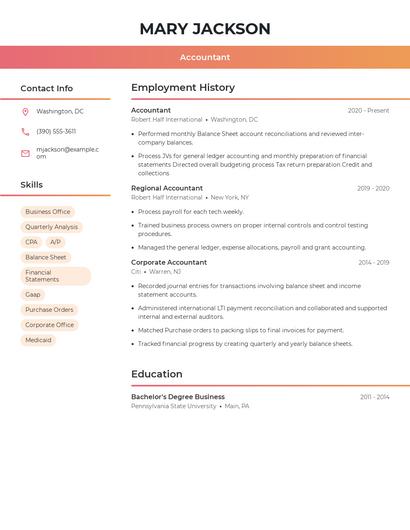
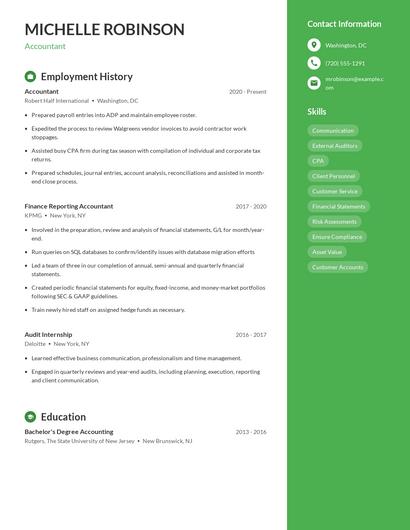
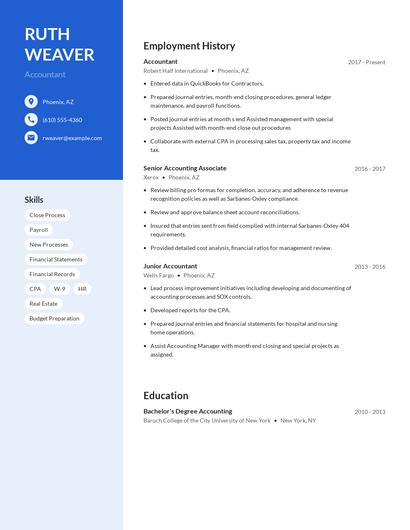
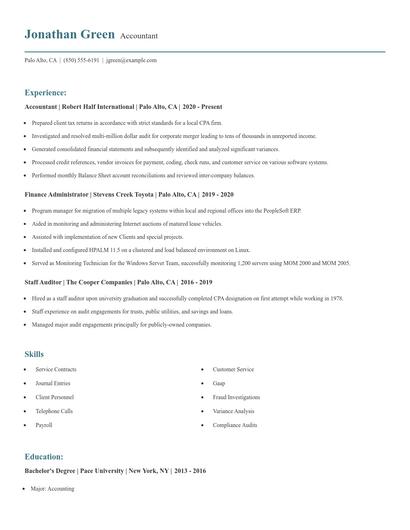
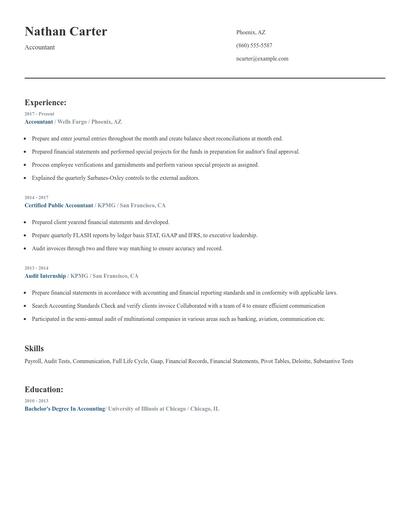
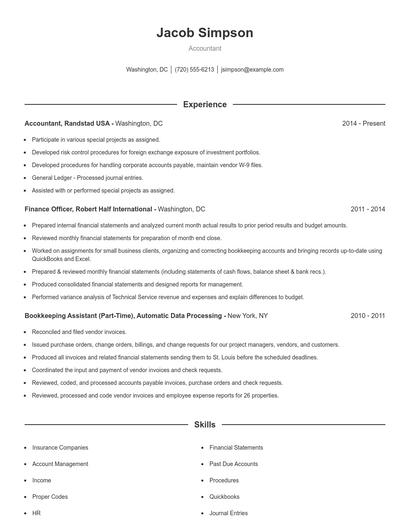
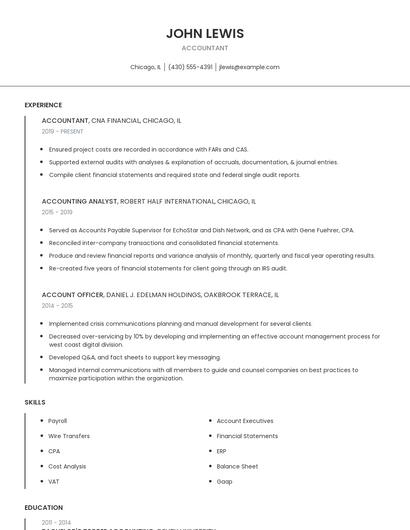
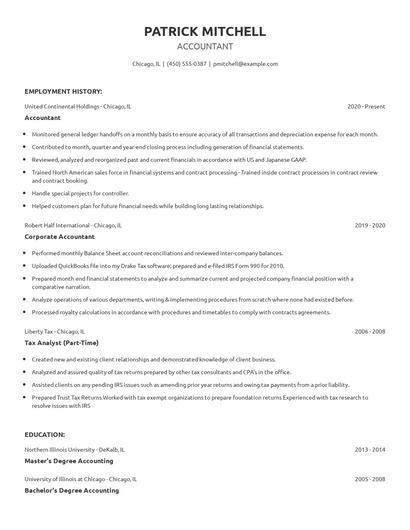
Choose from 10+ customizable resume templates
Zippia allows you to choose from different easy-to-use templates, and provides you with expert advice. Using the templates, you can rest assured that the structure and format of your resume is top notch. Choose a template with the colors, fonts & text sizes that are appropriate for your industry.