Explore jobs
Find specific jobs
Explore careers
Explore professions
Best companies
Explore companies
This question is about risk manager.
What are careers in risk management?
Claims investigator, risk management analyst, and cybersecurity analyst are careers in risk management. Claims investigators work for insurance companies to examine insurance claims made by customers to make sure they are valid.
Claims investigators decide the extent and validity of a claim and, in doing so, prevent fraudulent claims. The typical tasks for a claims investigator include:
Coordinating services that may be required by policyholders following an accident or incident
Helping insurance companies settle claims quickly
Using a combination of tools including interviews and cutting-edge software to help evaluate claims
Investigating defective products that may cause injury or damage
Investigating events (such as an oil spill) for which a company may be liable
Preparing reports, maintaining records, and keeping track of evidence trails and interview statements
Claims investigators must be able to manage multiple cases with confidence and accuracy and be able to conduct their work in a reasonable amount of time with regard to deadlines and target dates.
Risk management analysts are tasked with reducing the likelihood of negative effects from a variety of sources. These can include things like natural disasters, operational risks, and financial risks. A risk management analyst implements techniques that avoid future problems and keep a business in good standing.
In general, risk management analysts are professionals who support the technical side of an organization's holistic risk management approach. Analysts evaluate risk data and share their findings with managers and senior leadership and collaboratively use those insights to decide possible solutions.
Risk management analysts need to have strong skills in project management and proposal development. Risk management analysts may also specialize in a specific area such as:
Finance
Insurance
Operational
Regulatory
A cybersecurity analyst is responsible for protecting company hardware, software, and networks from cybercriminals. The analyst's primary role is to understand the company's IT infrastructure in detail and to monitor it at all times. This helps them to evaluate threats that could potentially breach the network.
A cybersecurity analyst should always be looking for ways to enhance the company's network security and protect sensitive information. A cybersecurity analyst is also responsible for:
Configuring tools in the form of virus software, password protection, and vulnerability management software. They will evaluate what the company needs and use these tools to protect its information
Reporting what is currently going on in the network and evaluating its strengths and weaknesses. A cybersecurity analyst needs to be able to read and understand the reports so that they can present the information. These reports can help to show what is well-protected as well as what is vulnerable and indicate if there is any unusual activity in the network.
Evaluating weaknesses and vulnerabilities because there is no such thing as a fully secure network; however, the goal is to make it as secure as possible. A large part of a cybersecurity analyst's job is to continuously test the network and find weaknesses before external threats can compromise them.

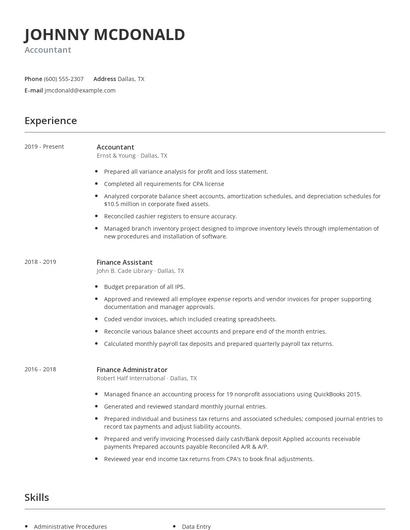
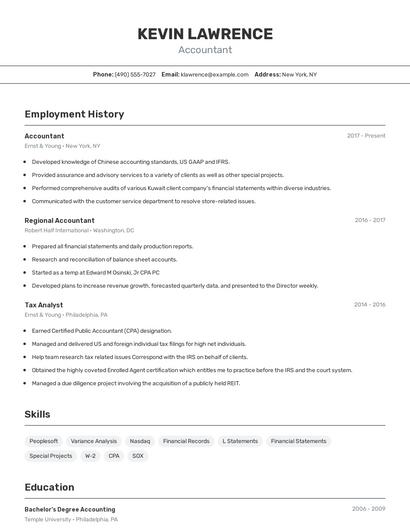
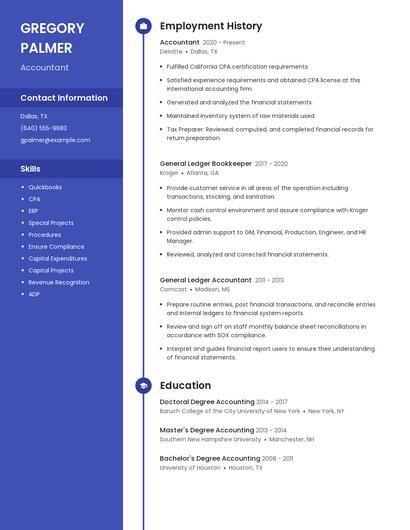
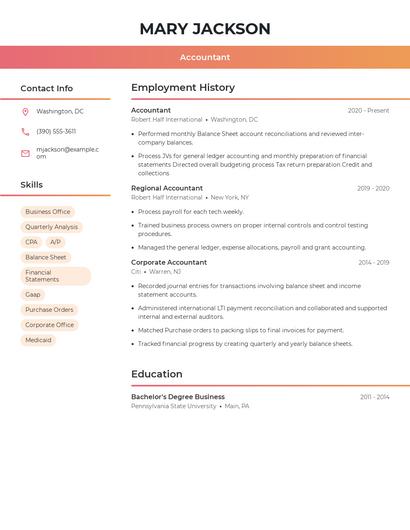
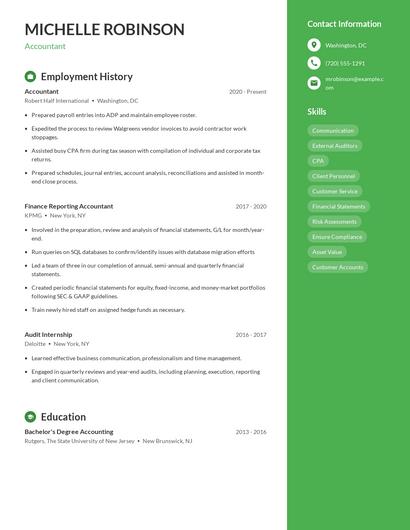
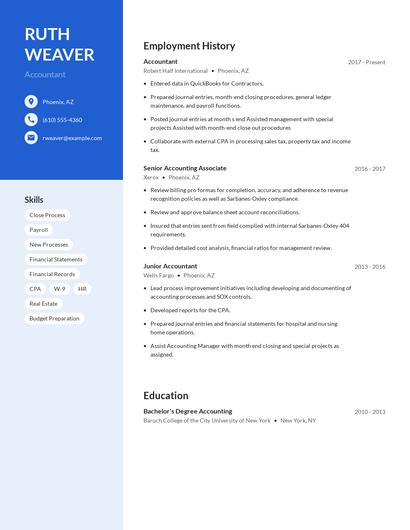
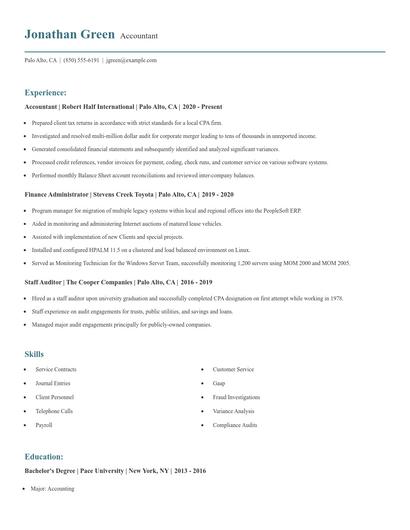
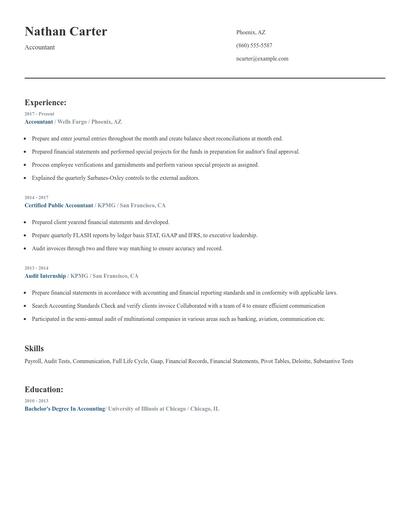
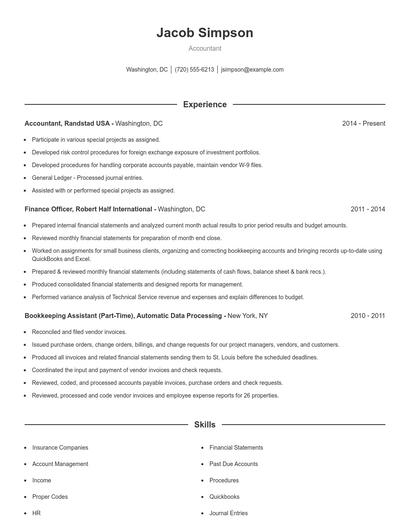
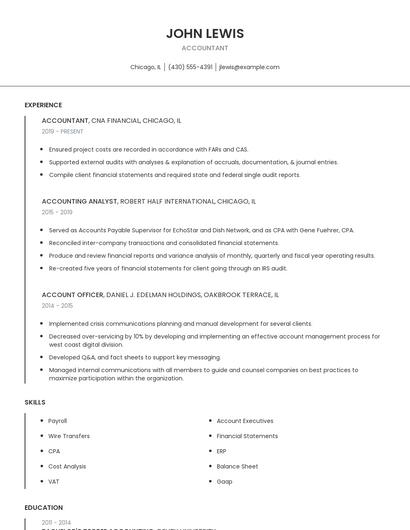
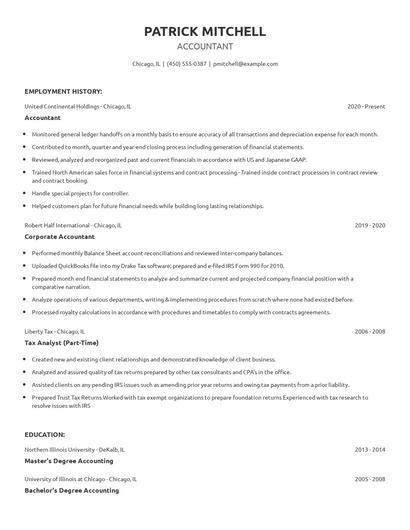
Choose from 10+ customizable resume templates
Zippia allows you to choose from different easy-to-use templates, and provides you with expert advice. Using the templates, you can rest assured that the structure and format of your resume is top notch. Choose a template with the colors, fonts & text sizes that are appropriate for your industry.