Explore jobs
Find specific jobs
Explore careers
Explore professions
Best companies
Explore companies
This question is about marriage and family therapist.
What are the pros and cons of being a marriage and family therapist?
The pros and cons of being a marriage and family therapist relate to helping people, the chance to specialize, and the emotional toll. Here are the top pros and cons of being a marriage and family therapist:
Pros:
Helping people. Marriage and family therapists provide a critical service by helping married couples and families improve or repair their relationships.
This field of work can be extremely personally satisfying and fulfilling. Professionals in this area can establish strong bonds with their clients, and then any positive developments can be rewarding for all involved.
The chance to specialize. Another major benefit of being a marriage and family therapist is that you can specialize in a certain area.
Therapists that specialize often increase their earning potential and also get access to niche patches of potential clients. Some specializations in this field include:
Military veterans and their families
Young children
Aging adults
Specific issues, such as addiction, chronic illnesses, or mental health struggles
Those who choose to specialize can also conduct research in their specialty and publish their findings to help further develop the field.
Compensation. Marriage and family therapists are often well compensated. The average salary for a marriage and family therapist in the United States is $67,106 annually.
Professionals in this field can make considerably more than the average, even over $100,000 annually.
Job security and opportunities. The US Bureau of Labor and Statistics predicts a 16% growth rate for this field in the next ten years, which is higher than the average growth rate for all other occupations.
The field is experiencing rapid growth. This role is also beneficial because it can take place in several different working environments, such as:
In-patient mental health care clinics
Community centers
Government offices
Private practices
Those able to start private practices will also experience other benefits, such as flexible scheduling and the opportunity for a healthy work-life balance.
Cons:
Emotional toll. This profession can also take a high-emotional toll on some. Therapy sessions can often be intense and emotionally charged.
This can be draining for therapists, and those in the field benefit from using self-care practices to combat the emotional stress of the job.
Difficult work. Therapists in this area often have to work for weeks, or sometimes months, before they make any positive developments concerning their clients. Getting people to express their feelings and issues is very sensitive and challenging.
Educational and training requirements. In most cases, to become a marriage and family therapist, you must earn a bachelor's degree and a master's degree in therapy from an accredited academic institution.
In addition, after their college education, most must complete around 3,000 hours of clinical experience to gain certification.

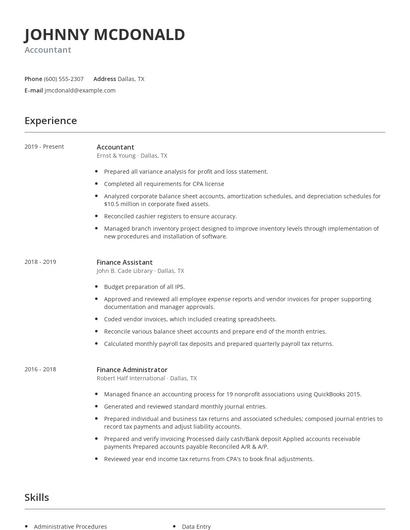
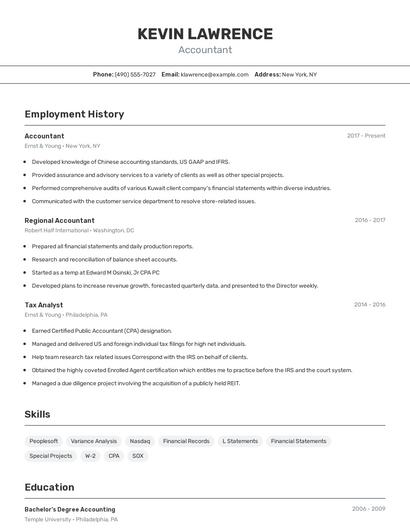
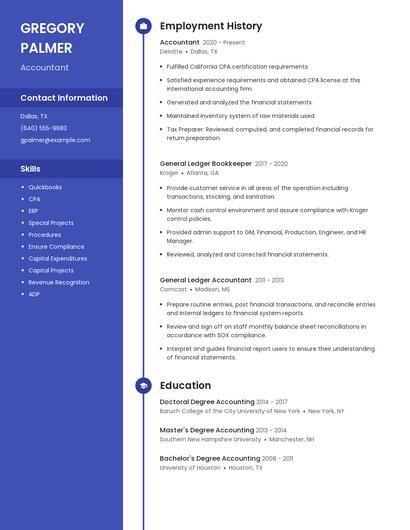
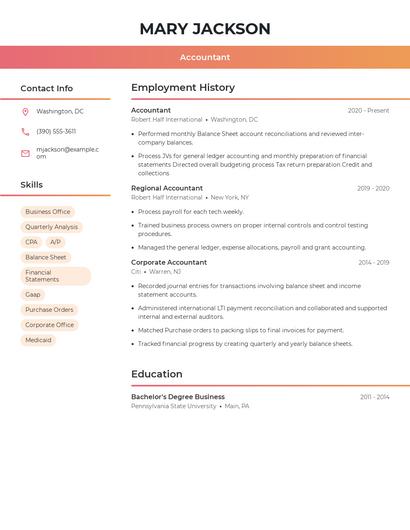
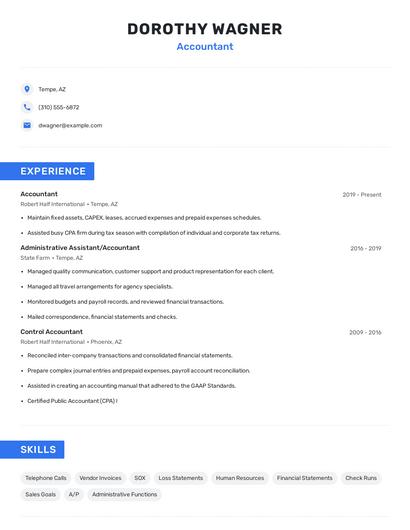
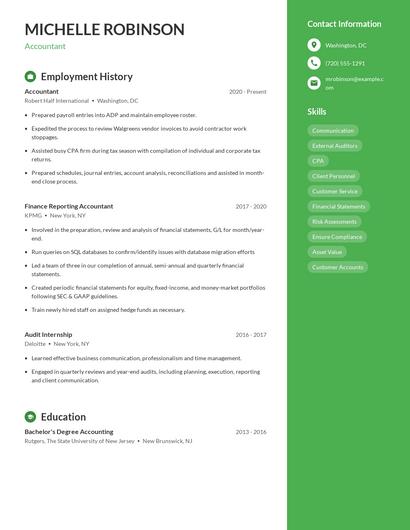
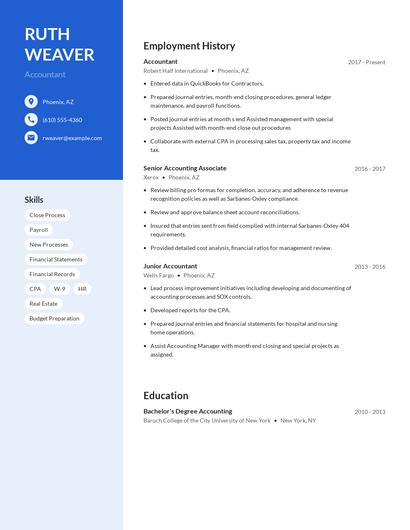
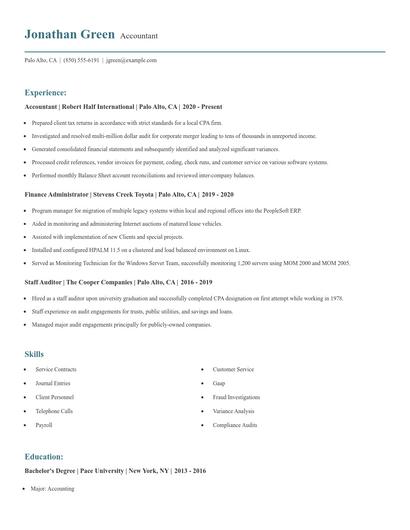
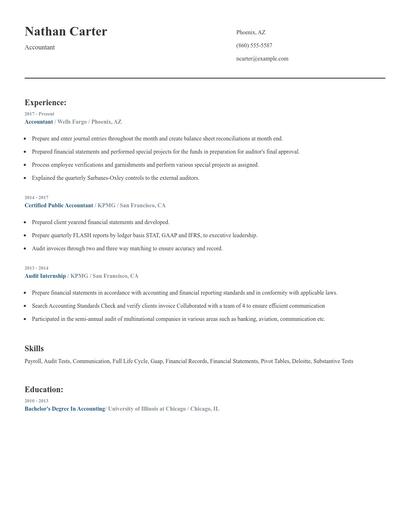
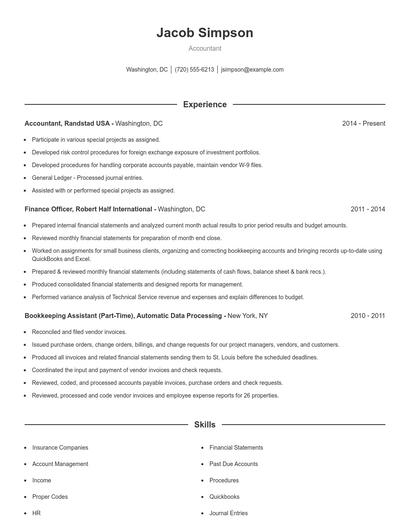
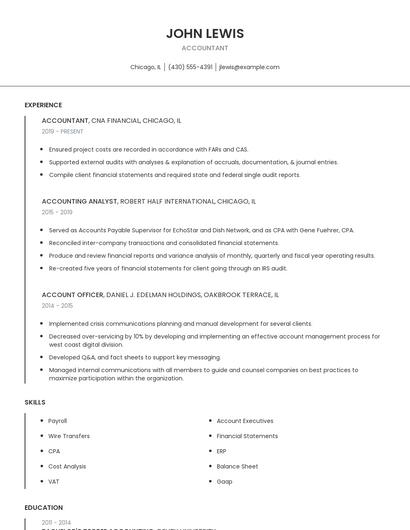
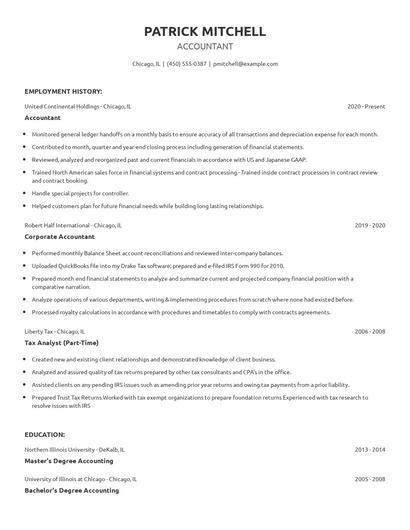
Choose from 10+ customizable resume templates
Zippia allows you to choose from different easy-to-use templates, and provides you with expert advice. Using the templates, you can rest assured that the structure and format of your resume is top notch. Choose a template with the colors, fonts & text sizes that are appropriate for your industry.