Explore jobs
Find specific jobs
Explore careers
Explore professions
Best companies
Explore companies
This question is about elderly caregiver certifications.
What are the qualifications of a caregiver?
The general qualifications for a caregiver are:
A valid driver's license
CPR certification
CNA certification
Ability to pass a background check
Ability to assist with activities of daily living (ADLs)
Family caregivers are individuals who provide care for a disabled, ill, or elderly family member who needs help with activities of daily living. For the most part, family caregivers do not receive payment for the assistance they provide.
Family caregivers are part of a general category known as "informal" caregivers because they provide care based on having a personal relationship with their care recipient. Other typically unpaid, informal caregivers are close friends or neighbors who, although they are not part of the family, are still providing regular care or assistance.
An independent caregiver, sometimes called a private caregiver, is someone who is paid directly for the services they provide; no agency is involved. Although many families consider an independent caregiver to be a more affordable home care option, legalities such as payroll and taxes are fully the responsibility of the family.
Additionally, independent caregivers typically don't have the background checks, training, or "back-up" options that are available when working with an agency. An independent caregiver is classified as either an employee of the family or an independent contractor for federal tax purposes.
Professional caregivers are hired by an agency, like a Home Care or Home Health Care Company, to provide home health care, personal care, companion care and/or homemaker services. Home health agencies employ skilled caregivers such as CNAs and HHAs.
Non-medical home care agencies employ non-clinical caregivers who provide socialization, companionship, transportation and assistance with activities of daily living. Professional caregivers are usually paid on an hourly basis and are able to provide care on a full or part-time schedule.
They may be offered a choice of shifts, including overnights and weekends. Each agency has its own policies and procedures defining qualifications, responsibilities and pays policies. Agencies are regulated by the state, so there are differences in certification and licensing requirements throughout the country.
Medical "skilled" services provided by home health agencies must be ordered by a physician and carried out according to the physician's orders; therefore, home health agencies are usually held to the same standards as other health care providers in the state.
Any agency that is Medicare or Medicaid certified is held to strict federal and state regulations regarding caregiver qualifications, standards of practice and record keeping. Some states have little to no regulation over non-medical home care providers.
Agencies determine qualifications, training and specific procedures regarding the provision of services. It is important to inquire about qualifications, specialized skills and responsibilities at each agency to understand state-specific differences in employment requirements.
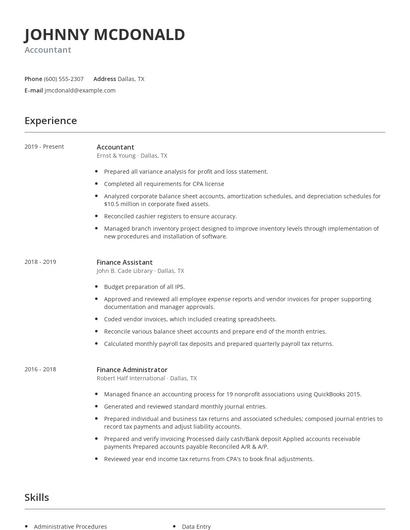
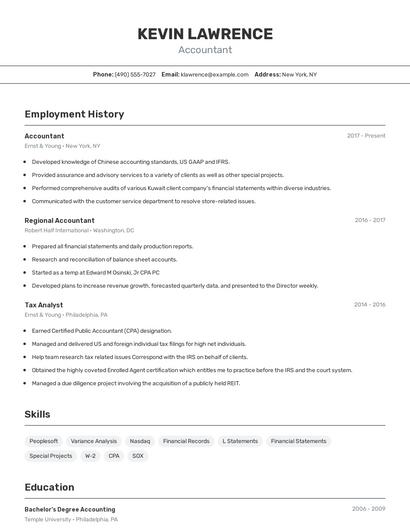
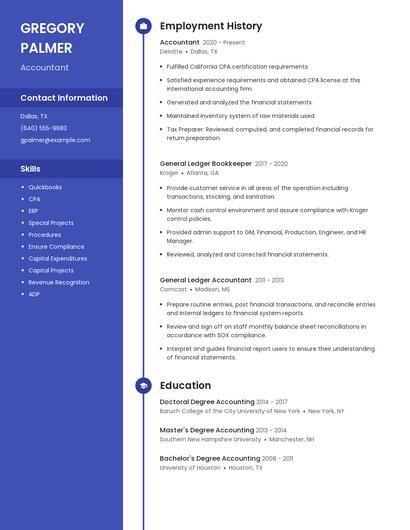
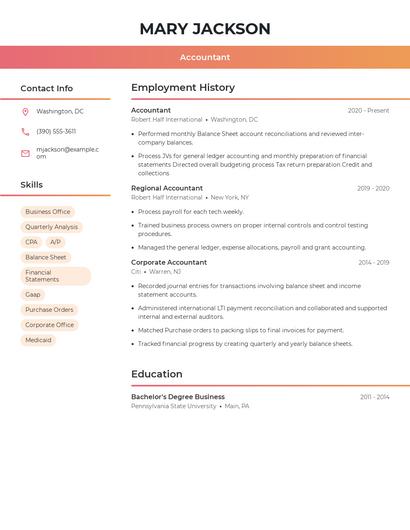
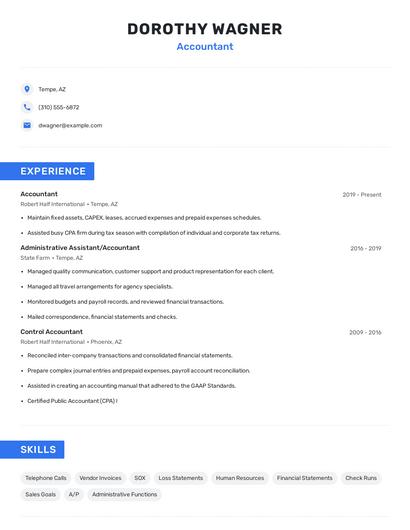
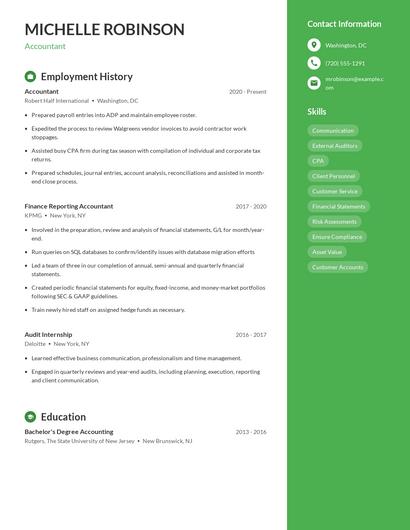
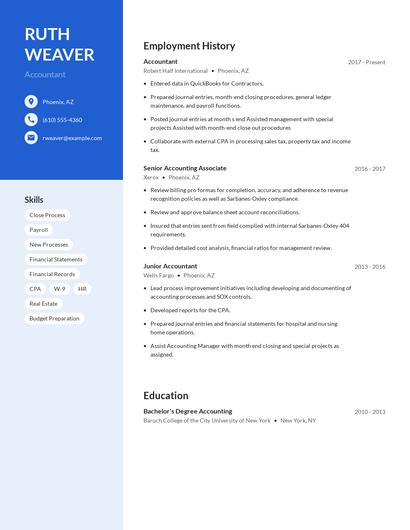
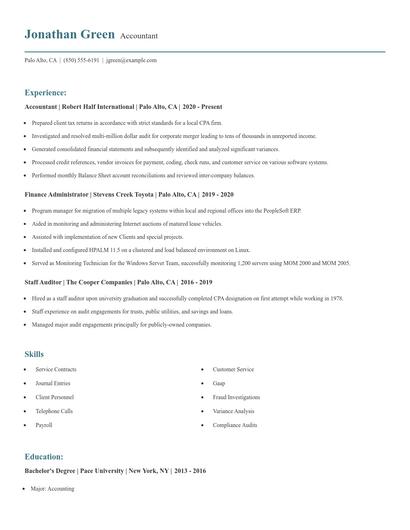
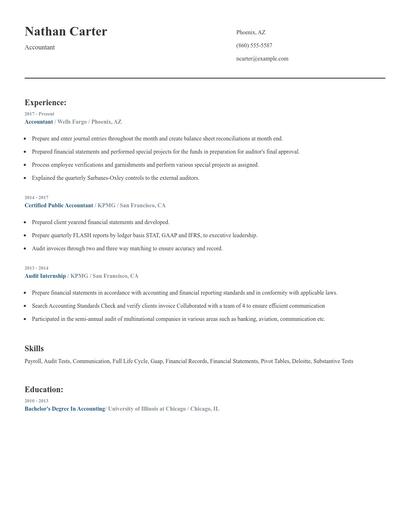
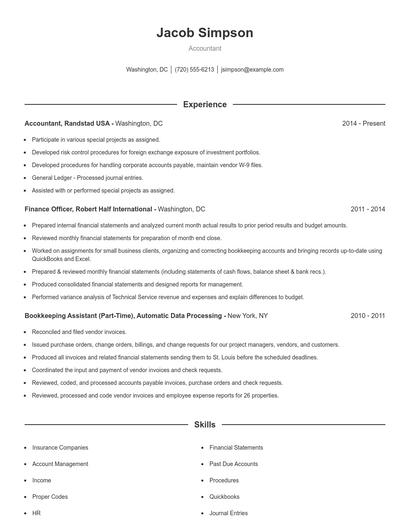
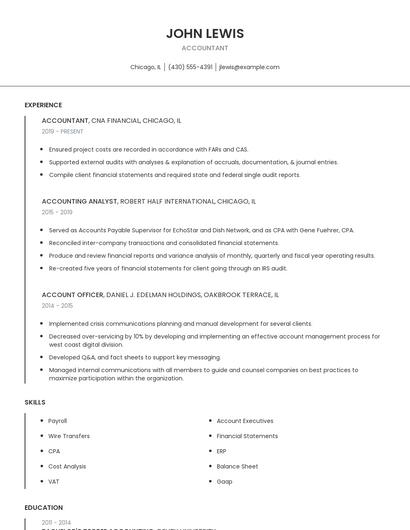
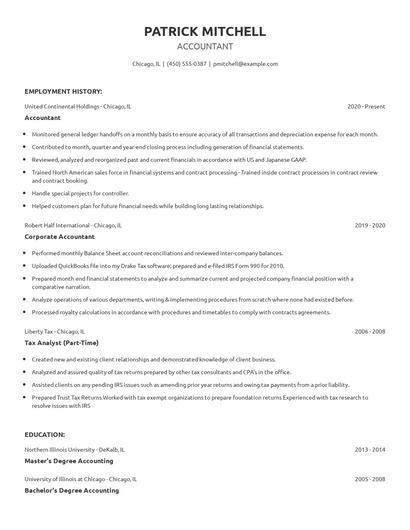
Choose from 10+ customizable resume templates
Zippia allows you to choose from different easy-to-use templates, and provides you with expert advice. Using the templates, you can rest assured that the structure and format of your resume is top notch. Choose a template with the colors, fonts & text sizes that are appropriate for your industry.