Explore jobs
Find specific jobs
Explore careers
Explore professions
Best companies
Explore companies
This question is about welder certifications.
What are the qualifications to be a welder?
The qualifications to be a welder are a high school diploma or equivalent, a welding education and certifications, and certain welding-related skills.
Most careers in welding require at least a high school diploma or equivalent. Some high schools even offer courses on welding, so if you are still in high school, it would be a great idea to take some of these courses.
Geometry is often used in welding because welding often deals with angles and dimensions. A strong foundation of geometry is necessary for welders.
Many community colleges also offer welding courses that can help you gain the necessary knowledge and skills. However, welding certificate programs offer possibly the best and fastest way to break into the field.
Welding certificate programs generally last around six months to two years. These are the perfect experience to get basic welding knowledge and skills.
Welding apprenticeships are a great way to get qualified in the welding field. Apprenticeships are excellent and novel opportunities because they give you the chance to be mentored by professional welders and get paid in the process.
Welders who complete apprenticeships rarely have difficulty finding well-paid welding work. Many times welders at apprenticeships choose to stay on with the company they did the apprenticeship with, as well.
Gaining certifications is another way to get the proper qualifications to be a welder. There are many different certifications you can gain in welding. This also can help you stand out to employers. One certification that many employers require is the basic AWS Certified Welder certification.
To obtain this certification, you must pass an exam at an AWS Accredited Testing Facility. You do not need any prerequisites to take this specific exam. This test has a written section, as well as an observation section of your physical welding abilities and performance.
There are also many different kinds of skills that qualify a welder. Here is a list of essential skills needed to be a welder:
Math skills. As was mentioned earlier, foundational geometry is essential to welding. In addition, you also need math skills that involve spatial reasoning, evaluating sketches and blueprints, and calculating dimensions.
Physical skills. Welding is a physically intense trade. You should be in fit physical shape and score high in the areas of physical strength, endurance, hand-eye coordination, dexterity, vision, flexibility, and steady hands.
Attention to detail. This is important because you need to be able to cut with precision, adhere to safety protocols, closely follow directions, and have the knowledge and wherewithal to perceive changes in molten metal flows.
Administrative skills. These skills have to do with your ability to properly perform your welding work in an efficient and collaborative manner. Strong written and verbal communication skills are necessary. You often have to work with other welders, so collaboration and teamwork skills are also essential.
You must have time management skills that allow you to organize and delegate your own welding tasks in a way that you meet your deadlines. You must also be able to take stock of materials that are needed and any updates or maintenance that might be required for welding equipment.
Mechanical, technology, and tool-related skills. You must be comfortable and confident to work with the tools used in welding. In inexperienced hands, this equipment can be quite dangerous. You should be aware of all safety guidelines associated with each tool used in welding.
You also must have the ability to learn new technologies and practices in welding, thus remaining adaptable. Knowing the tools of welding is critical because you must select the proper welding tool for different welding situations.

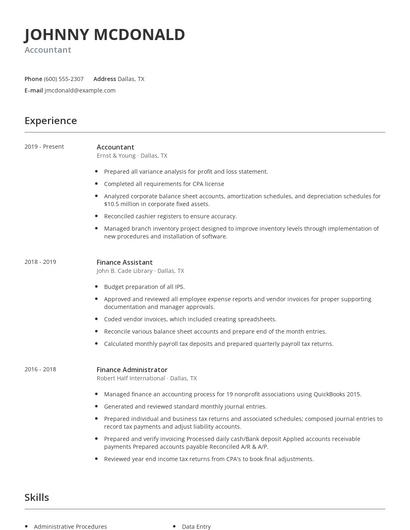
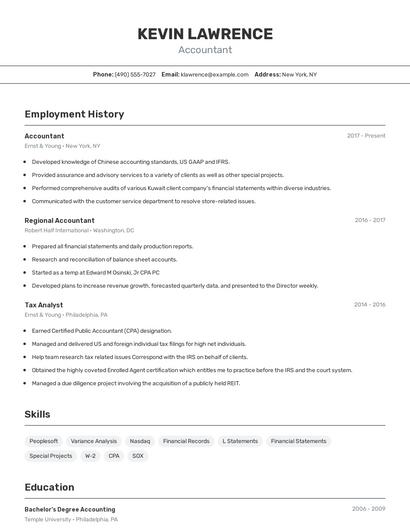
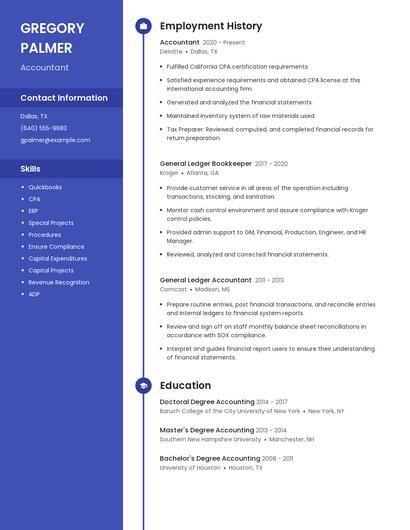
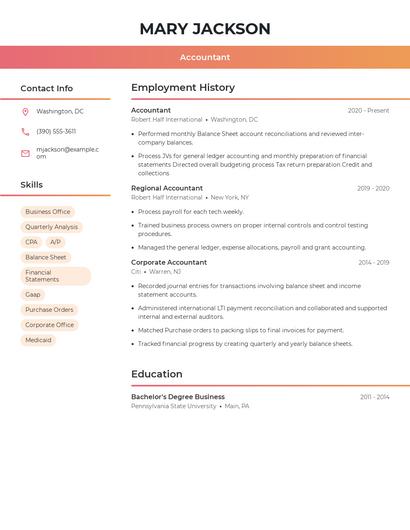
Choose from 10+ customizable resume templates
Zippia allows you to choose from different easy-to-use templates, and provides you with expert advice. Using the templates, you can rest assured that the structure and format of your resume is top notch. Choose a template with the colors, fonts & text sizes that are appropriate for your industry.