Explore jobs
Find specific jobs
Explore careers
Explore professions
Best companies
Explore companies
This question is about list of skills.
What is a leadership coach?
A leadership coach is typically an outside professional who collaborates and works with leaders of an organization, such as senior managers and executives, by assisting them in developing leadership strategies, methods, and goals.
Leadership coaches can also be referred to as executive coaches. They might work with an organization's leaders in a group setting or on an individual basis.
Most leadership coaches pull from their own exceptional leadership experience to advise different levels of leaders at a business, company, or corporation. They often emphasize and seek to foster and nurture skills involving communication and conflict resolution.
Leadership coaches seek to shape more qualified and effective leaders at an organization. They often evaluate an organization's leadership style in broad terms, and on an individual basis, and then evaluate the organization's overall strengths and weaknesses concerning leadership.They then might adjust current strengths to achieve more optimal effects and redirect any weaknesses towards more positive leadership styles.
Here are some of the benefits a leadership coach hopes to provide an organization:
Critical insights. Leadership coaches seek to bring to light new insights that an organization's leaders were not aware of. When a leadership coach listens to and asks questions of a leader they then foster critical insights and deepen the leader's perspective on certain areas where improvements can be made.
Open-mindedness. Leadership coaches almost always seek to broaden leaders' mindsets. This can be done through questioning and encouraging flexibility.
Empowerment. Leadership coaches seek to empower the leaders of an organization by shaping them and educating them on healthy and optimal leadership practices, which enables them to do their best work, and also assisting those working alongside or for the leader. This also helps to improve the confidence levels of leaders at a particular organization.
Improving communication. This is one of the main focuses of leadership coaches. They encourage questions and discussions to help an organization communicate more efficiently and effectively.
Improved performance. When leadership coaches improve the strategies and techniques concerning the leadership styles of a company's leaders, this results in better overall work performance from leaders and those that work for them at their organizations.
Leadership coaches provide services that not only teach leaders but also give them the ability to coach their employees or specific teams. There are different types of coaching a leadership coach employs when working with the leaders of an organization.
Here are some of the most common types of leadership coaching:
Development coaching. This type of coaching has the objective of improving the knowledge and skills of an organization's leaders. It also focuses on work-life balance and emotional intelligence. Leaders can then use these skills to foster growth among their teams and employees in these areas.
Challenges and risks coaching. Challenges and risks coaching involves aiming to resolve conflicts and issues that might be affecting work performance. Soft skills, such as communication, conflict resolution, and problem-solving are highlighted in this type of leadership coaching.
Directive coaching. This type of leadership coaching has to do with leaders working with and coaching their own teams. It allows the leader to give teams directions, monitor their progress, and evaluate their performance in terms of a specific objective or goal.
Laissezfaire coaching. This type of coaching instills in leaders the ability to be okay with providing minimal directions to a team that is experienced, well-working, and capable. This is the most hands-off coaching approach for leaders of an organization and often requires less energy from their teams.
Nondirective coaching. Leadership coaches often teach this coaching style to leaders to help improve their active listening skills. Nondirective coaching sees leaders asking questions and listening to team members, yet it is up to the team to determine their own solutions. This type of coaching places more emphasis and work on team members, rather than leaders.
Situational coaching. Leadership coaches educate an organization's leaders on situational coaching by combining the last three styles of leadership coaching we just mentioned. It sees leaders determining the best course of action, in terms of the leadership coaching style approach they take for their teams, depending on each specific situation they encounter. Leaders must utilize skills in judgment when seeking to use the situational coaching approach.

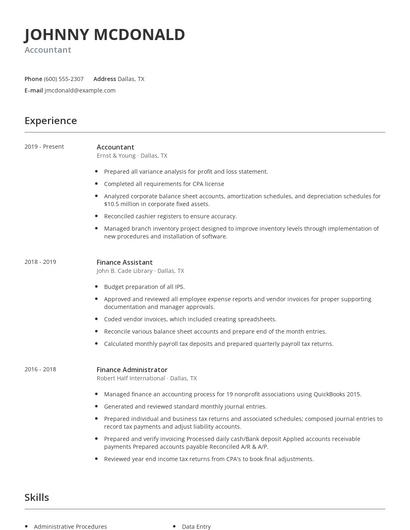
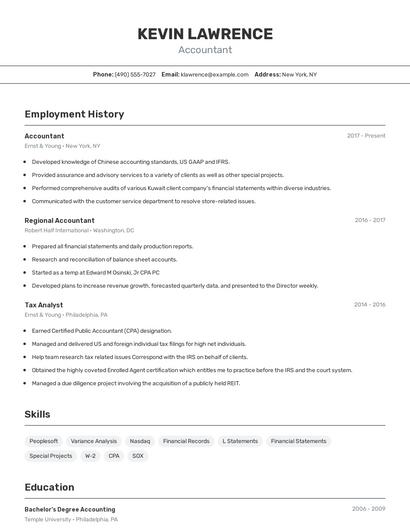
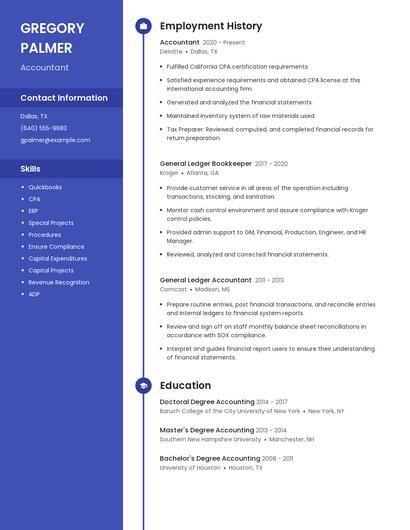
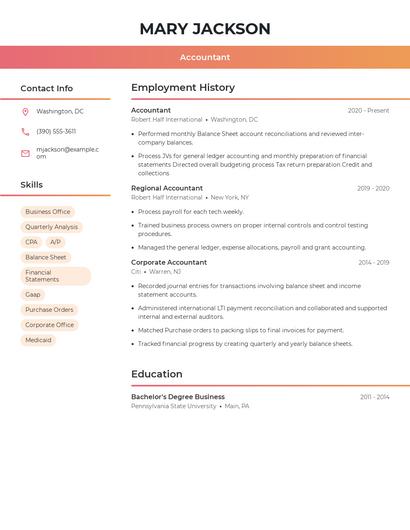
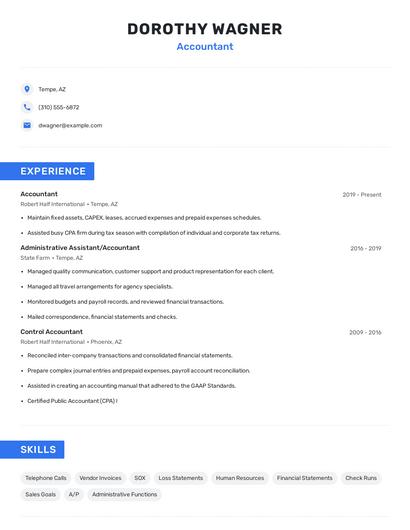
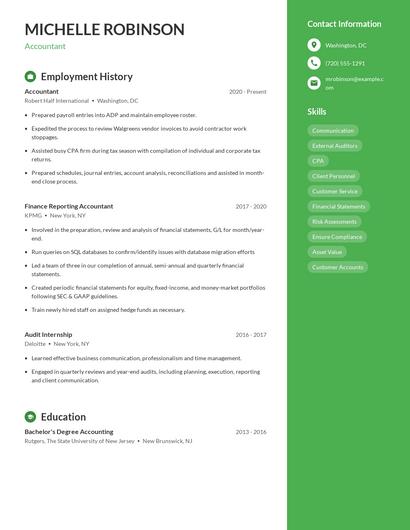
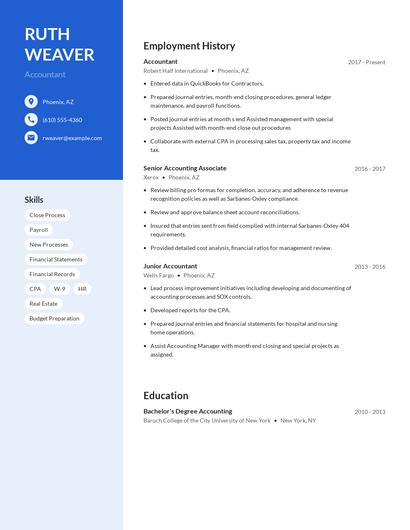
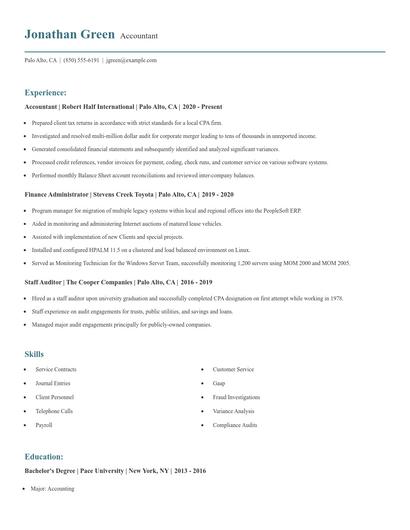
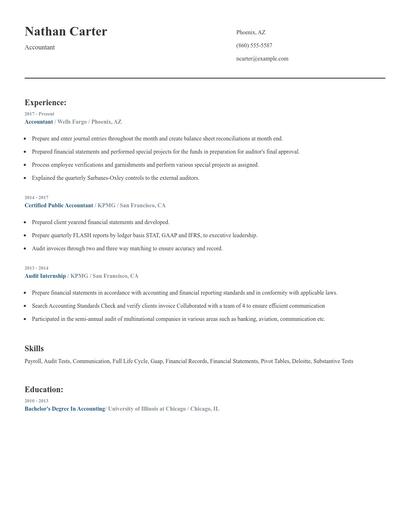
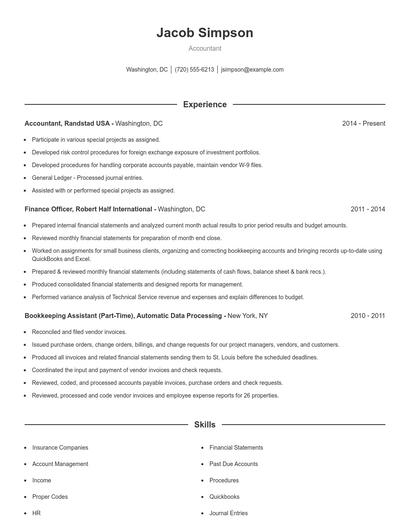
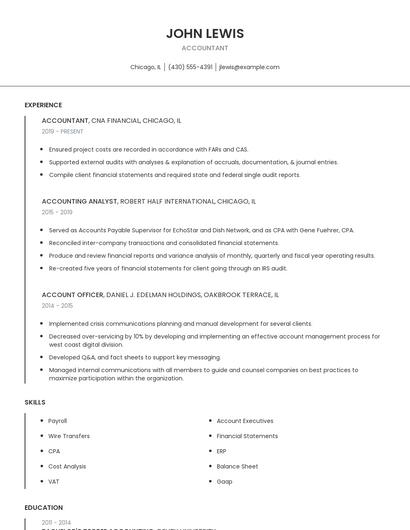
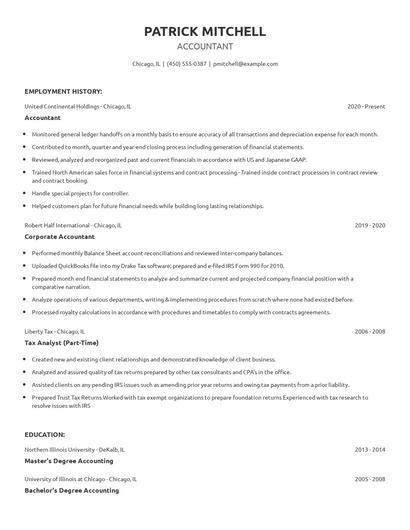
Choose from 10+ customizable resume templates
Zippia allows you to choose from different easy-to-use templates, and provides you with expert advice. Using the templates, you can rest assured that the structure and format of your resume is top notch. Choose a template with the colors, fonts & text sizes that are appropriate for your industry.