Explore jobs
Find specific jobs
Explore careers
Explore professions
Best companies
Explore companies
This question is about electrical engineer.
What is the career path for an electrical engineer?
The career path for an electrical engineer involves jobs as an electrical engineer, a machine learning engineer, and a systems engineer. The career path for an electrical engineer is expansive, with many on-ramps and off-ramps to specific fields and industries.
Electrical engineers almost always have at least a bachelor's degree in electrical engineering or another related engineering field. Many also obtain advanced degrees to accelerate their careers and provide opportunities for managerial and supervisory roles.
Electrical engineers often obtain certifications to exhibit their expertise and skills in certain areas or with certain software. Some common electrical engineering certifications that can be helpful include:
Autodesk AutoCAD
Engineer in Training (EIT)
Certified Technical Professional (CTP)
Professional Engineer (PE)
Project Management Professional (PgMP)
Certified Systems Engineer Professional (CSEP)
Programmable Logic Controller (PLC) certification
Supervisory Control and Data Acquisition (SCADA) certification
Certified Energy Manager (CEM)
Electrical engineering is a broad field that has jobs in many different industries. Fields involving electrical engineering include:
Computer engineering
Advanced automation and robotic systems
Aerospace systems
Space defense systems
Automotive advanced driver assistance systems
Communications
Biomedical engineering
In addition to engineering principles and knowledge, there are a number of skills utilized in the field of electrical engineering. They include:
Drafting blueprints and plans
Critical thinking
Comprehension of circuits
Data analysis
Complex math skills
Here are the job descriptions for some common electrical engineering roles on the career path:
Electrical engineer
An electrical engineer is someone who designs and installs electrical systems and equipment.
They generate ideas for electrical devices and mechanisms by creating blueprints, developing prototypes, performing product testing, and overseeing an electrical item's manufacturing.
Machine Learning Engineer
A machine learning engineer is a tech professional that writes low-level code to tweak and optimize default implementations. They are also proficient in high-efficiency programming languages such as C++, Java, and Scala.
Machine learning engineers are mainly focused on taking models and helping scale them out into production while ensuring adherence to business service level agreements.
A systems engineer is a professional who works on the overall management of engineering projects. They have an interdisciplinary approach to managing the total technical effort necessary to transform requirements into solutions.
Systems engineers are generally focused on all aspects of computer-based system development. Some of their tasks include stakeholder analysis, interface specification, design tradeoffs, configuration management, systematic verification and validation, and obtaining engineering requirements.

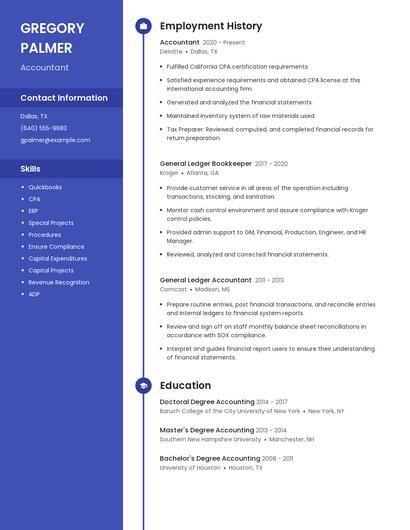
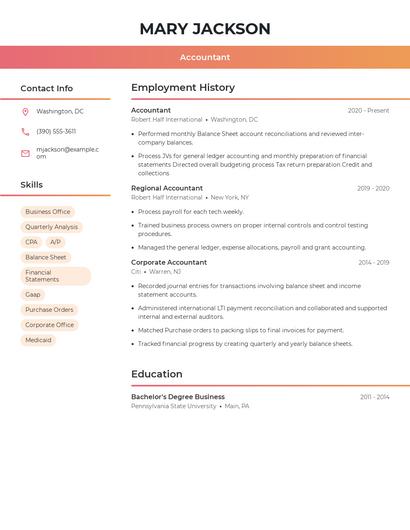
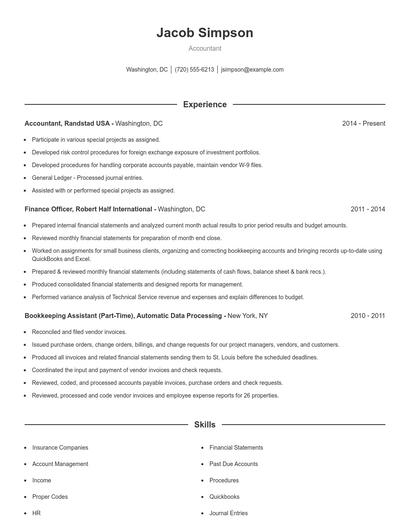
Choose from 10+ customizable resume templates
Zippia allows you to choose from different easy-to-use templates, and provides you with expert advice. Using the templates, you can rest assured that the structure and format of your resume is top notch. Choose a template with the colors, fonts & text sizes that are appropriate for your industry.