Explore jobs
Find specific jobs
Explore careers
Explore professions
Best companies
Explore companies
This question is about list of skills.
What is therapeutic communication?
Therapeutic communication is a collection of methods and strategies that prioritize a patient's emotional, mental, and physical well-being. Nurses often use therapeutic communication techniques in their profession when interacting with patients.
There are many different methods that fall under the umbrella of therapeutic communication, some of these include:
Utilizing silence. In some instances, silence is necessary when caring for patients. Using silence gives nurses and patients the chance to think and process. It can give patients the time they need to find the next appropriate topic of conversation or to formulate the next question about their condition, treatment, etc.
Acceptance. It is critical for nurses to acknowledge patients' views and to signal to them that they are actively listening. Acceptance doesn't have to mean agreement, but it does mean that nurses should acknowledge a patient's feelings and tell them that they understand and are being heard.
Give recognition. Recognition means to reference a patient's behavior and highlight it without being overly complimentary. Compliments can sometimes be interpreted as condescension by patients. It is important to draw attention to good healthy acts, like a patient making their bed, or taking their medication, without making them feel small about the accomplishment.
Offering time. Patients can get very lonely in hospital settings. When nurses offer to spend more time with them when possible this shows that they value their patients. Offering to spend more time with patients watching TV, while they eat lunch, or just sitting with them, can boost the patient's mood significantly.
Allow patients to direct the conversation. When a nurse gives a patient broad openings for conversation and communication, they are likely to receive a lot more valuable information that can help them know how to address the patient's specific needs. When seeing patients for the first time each day, nurses should ask broad questions that allow for a variety of answers from the patient, such as "What's on your mind today?".
Active listening. This skill is crucial to therapeutic communication. Nurses must actively listen to their patients and follow up with the appropriate comments or questions. This exhibits that they care about their patients and value their comments, insights, and questions.
Clarification. Nurses must not hesitate to ask patients to clarify something if they have communicated an ambiguous or confusing statement or question. This is helpful for both the nurse and the patient.
Asking about events in time or sequence. When a nurse asks about when certain incidents or events occurred in relation to others, it can help both the patient and the nurse to get a clearer sense of the issue at hand.
Make observations. Making specific observations that relate to a patient's appearance or behavior can help spotlight areas that might be a problem for them. Nurses indicating that their patient looks tired might have the effect of having the patient relay some critical physical information that has caused them to get a lack of sleep. This is just one example, but observations can sometimes lead to good information from patients.
Make encouraging comparisons. Nurses can help patients by encouraging them to relate their current experience to others they have had in the past. This might also be applied to people the patients know who have gone through similar scenarios. Encouraging patients to make comparisons can assist them in finding solutions to their problems.
Summarize. Nurses should sometimes seek to summarize what a patient has just conveyed to them. This is a way to show that the nurse is actively listening, and it helps with clarification purposes. Nurses should follow up their summaries with statements like, "Did I get that right?"
Reflection. When patients ask nurses what they should do about particular situations, it's sometimes helpful for the nurse to ask the patient what they think they should do. This shouldn't be said with any note of condescension, it should be sincere and genuine in tone.
Focus. Nurses should remain focused during all interactions with patients. This includes when a patient is speaking to them. The patient might mention something that the nurse in turn will want further information on. It's hard for many patients to be objective, so if a nurse can focus and guide them, it produces the best results for the patient.
Confrontation. This method should only be employed if a nurse has developed a trustful relationship with a patient. Disagreeing with patients and helping them to see the reality of their particular situation can oftentimes lead to improvement or acceptance for the patient. Confrontation can also break bad routines that patients may have established which can hold them back in terms of physical, mental, and emotional recovery.
Voice doubt. This tactic is a step below confrontation in its aggressiveness. Voicing doubt is a more sensitive and gentle way to call attention to any delusional views or ideas that a patient has about their current condition.
Use humor and hope. A nurse sharing their hope for a patient's recovery is a great way to boost a patient's mood and possibly change negative behavior or perceptions. In addition, lighting the sometimes dark and dreary mood of a hospital with humor is a good way to get an emotional lift out of a nurse's patients, and show them that they really care.

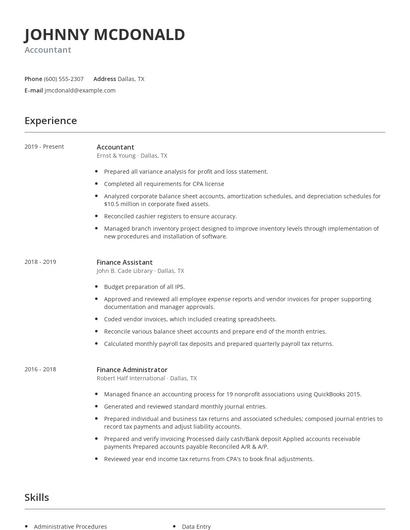
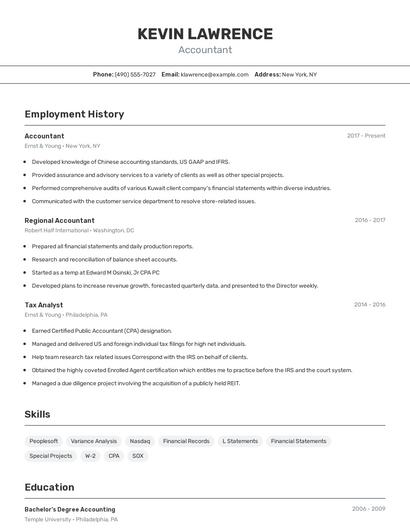
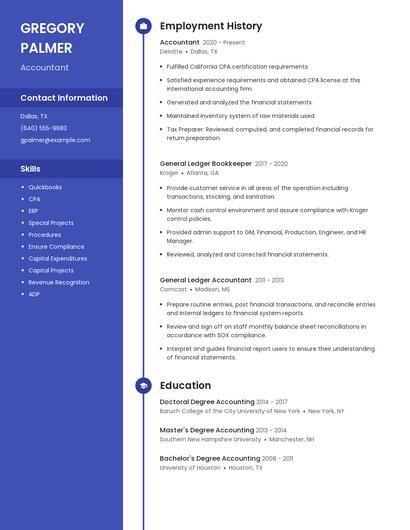
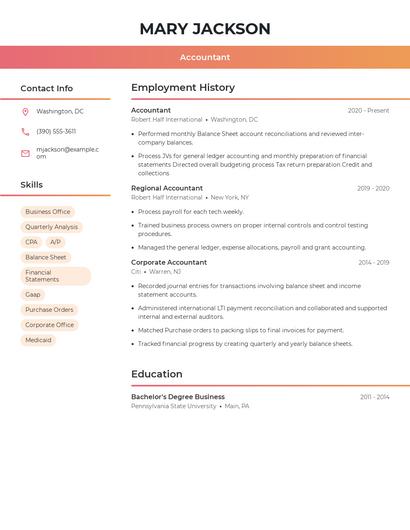
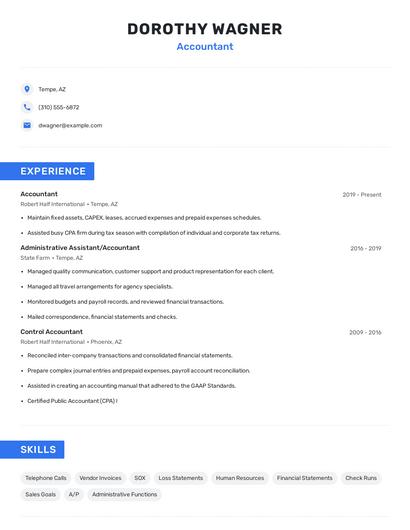
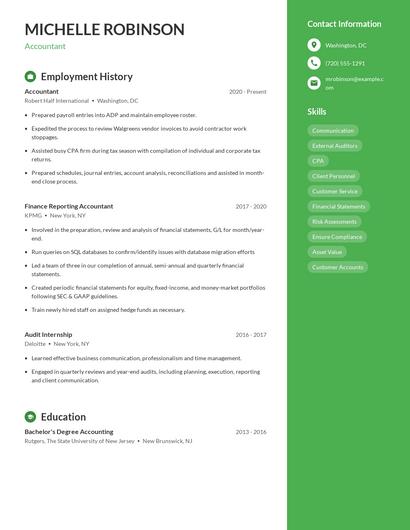
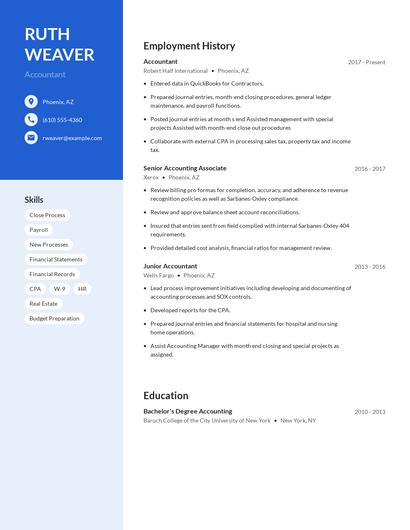
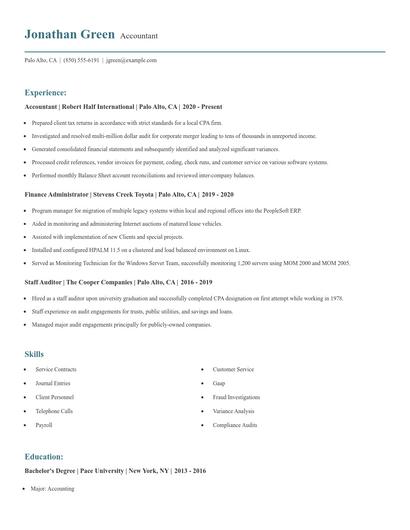
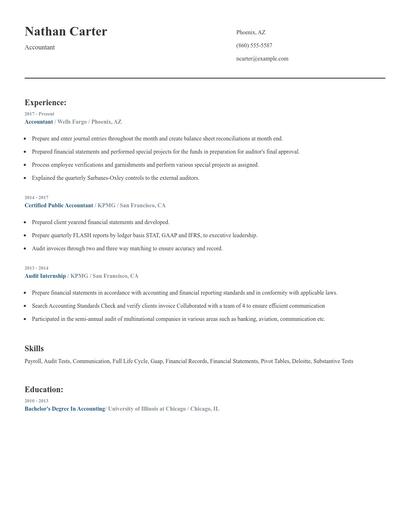
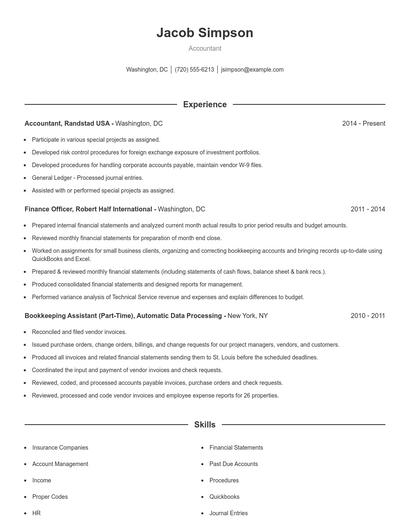
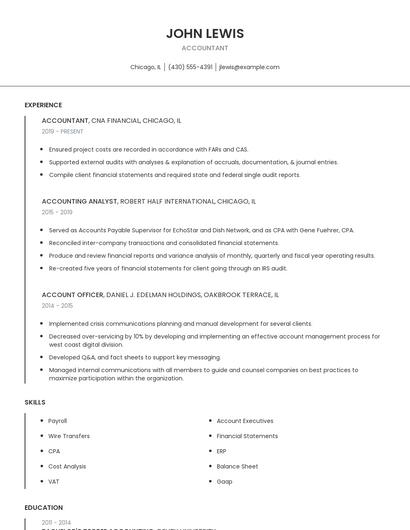
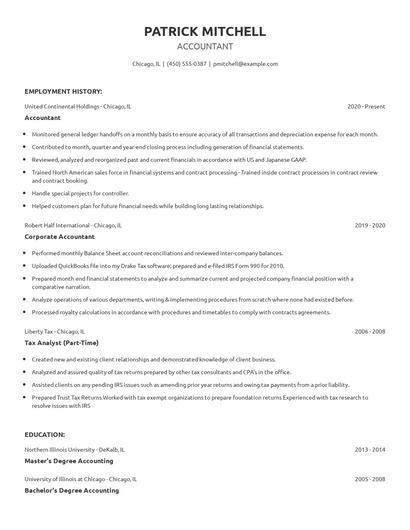
Choose from 10+ customizable resume templates
Zippia allows you to choose from different easy-to-use templates, and provides you with expert advice. Using the templates, you can rest assured that the structure and format of your resume is top notch. Choose a template with the colors, fonts & text sizes that are appropriate for your industry.