Explore jobs
Find specific jobs
Explore careers
Explore professions
Best companies
Explore companies
This question is about actuarial internship jobs.
What jobs can actuaries get?
Actuaries can get many jobs in risk assessment. Here are a few examples of jobs actuaries can get - other than actuary - all of which require a bachelor's degree and math skills.
Insurance agent. Insurance agents are salespeople who sell insurance, usually specializing in housing, vehicular, or health insurance. The work of an insurance agent is less math-intensive than that of an actuary, with greater emphasis on soft skills.
Many sales jobs include a lot of on-the-job training. Insurance agent roles are no different. Aspiring insurance agents should possess strong persuasive and communications skills.
The rest can be gained through a college degree, state licensure, and on-the-job training. Insurance agents typically study business, accounting, or insurance.
Insurance agent pay is largely commission-based on top of base pay. The average annual pay for insurance agents is $49,118, but successful top earners can make much more. This career has a projected ten-year job growth rate of 10%, with 28,109 new openings.
Tax preparer. Tax preparers assist individuals and businesses with completing and filing tax returns. A tax preparer is a type of financial planner. The work of a tax preparer is typically more math-intensive than insurance agents but still less than that of an actuary.
Tax preparers need basic but not advanced math skills. The work of a tax preparer is client-facing. Accordingly, tax preparers also need interpersonal, organizational, and digital literacy skills.
A bachelor's degree and state licensure are required to work as a tax preparer. Licensure requirements vary from state to state.
Actuaries wanting to work as tax preparers can expect a significant reduction in pay. Tax preparers make $40,000 a year, on average, with entry-level pay starting at around $26,000 annually. This career does have a good job outlook, with a projected 45,098 new openings in the next ten years.
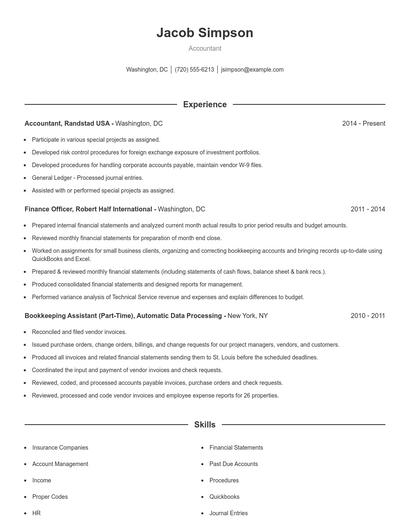
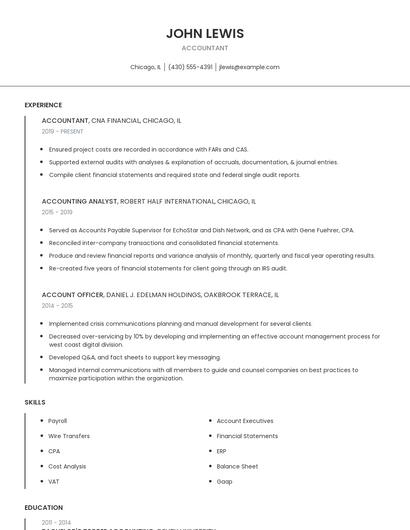
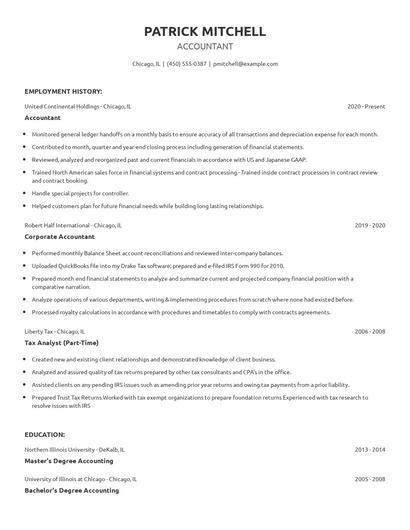
Accountant. Actuaries can work as accountants. There are many different types of accountants, from bookkeepers to certified public accountants (CPAs). Generally speaking, accountants maintain and interpret financial records.
Accountants need basic numeric and computing math skills. Soft skills are more important for a career in accounting. Accountants need strong critical thinking, communication, and digital literacy skills.
Accountants typically need a four-year bachelor's degree. CPAs need further licensure, which allows them to act as fiduciaries on behalf of individuals and organizations.
The average annual pay for accountants is $52,548, though this varies depending on the specific job title. There is a projected ten-year growth rate of 6% for accountant careers, with 53,709 new job openings.
Credit analyst. Credit analysts conduct a full assessment of the creditworthiness of an individual or business. Investment companies, credit card companies, and credit rating agencies typically hire credit analysts to minimize risk.
Someone with actuarial expertise is a great fit for a credit analyst role, as they are skilled risk assessors. Credit analysts review loans and lines of credit applications to determine the likelihood of repayment.
Credit analysts need strong mathematical knowledge in addition to analytical and digital literacy skills. They must also have superior ethical standards.
Credit analysts' jobs pay an average of $86,170 a year, according to the 2020 Bureau of Labor Statistics report. Though the pay is competitive, credit analyst jobs are on the decline. There is a projected ten-year growth rate of -4% for this career, with 15,798 new openings.
Underwriter. Underwriters, like credit analysts, make determinations on an individual or organization's creditworthiness. They are risk assessors who decide who gets insurance coverage.
Underwriters need math knowledge and superior analytical and problem-solving skills. They must be detail-oriented with strong organizational skills. While credit analysts are responsible for the big picture of loan applications, underwriters mainly review the paperwork submitted as part of the application.
Underwriter jobs pay an average of $71,790 a year, according to the 2020 Bureau of Labor Statistics report. As with credit analyst jobs, underwriter jobs are on the decline. There is a projected ten-year growth rate of -5%, with $6,996 new jobs.
Data scientist. A lesser-known career track for those with actuarial expertise is that of a data scientist. Data scientists analyze and interpret large amounts of data. They need mathematical, programming, and analytical skills.
Data scientists need strong math skills. Specifically, data scientists need strength in statistical analysis and mathematical modeling.
Data scientists also need strong programming skills, usually in Python and R, and experience with database querying languages like SQL. Analytical skills permeate all aspects of a data scientist's work.
Aspiring data scientists need a bachelor's degree, usually in statistics or computer science.
Data scientists earn $97,953 a year, on average. Data scientists are in high demand, with a projected ten-year job growth rate of 16%.

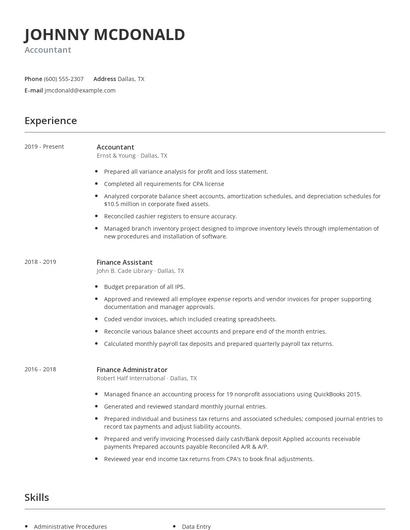
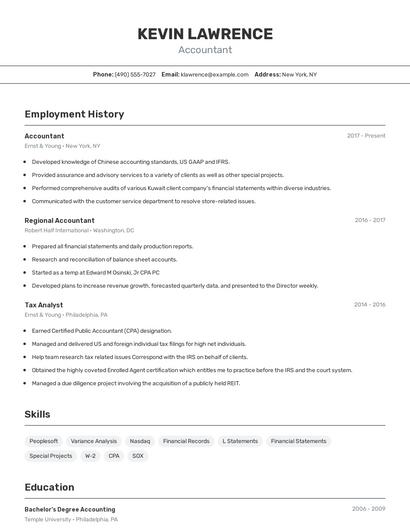
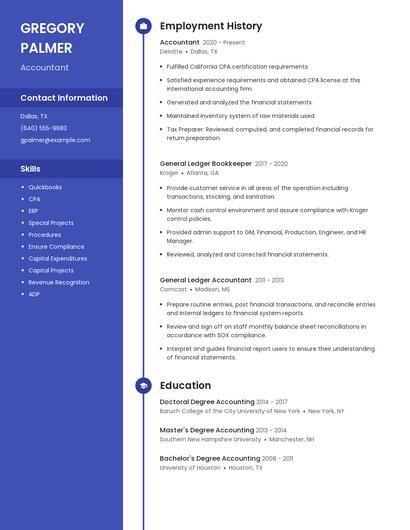
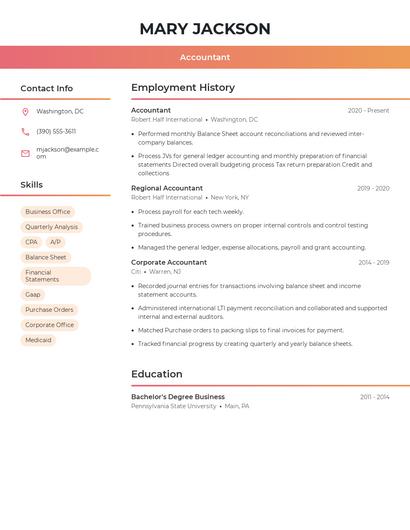
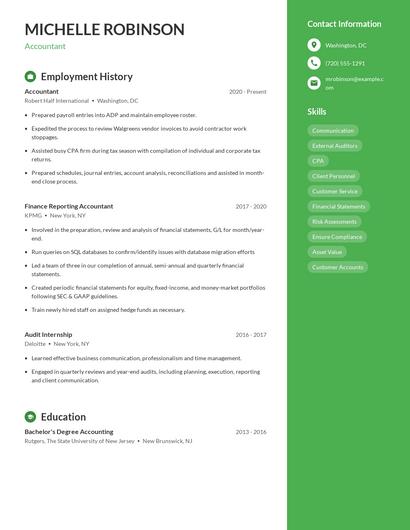
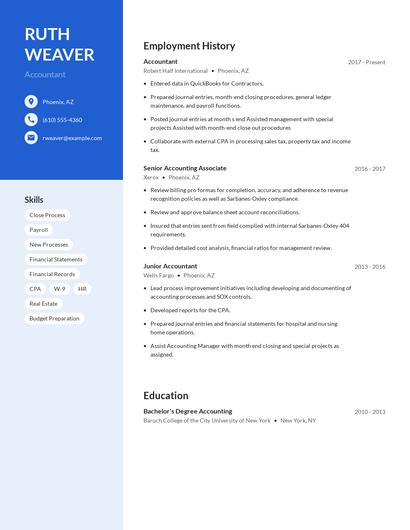
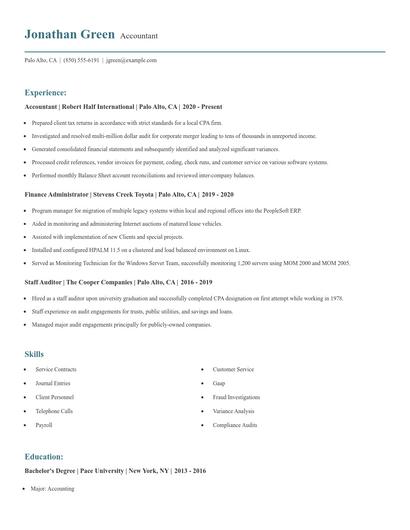
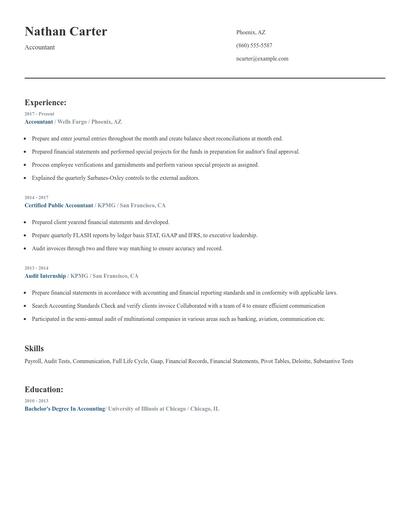
Choose from 10+ customizable resume templates
Zippia allows you to choose from different easy-to-use templates, and provides you with expert advice. Using the templates, you can rest assured that the structure and format of your resume is top notch. Choose a template with the colors, fonts & text sizes that are appropriate for your industry.