Explore jobs
Find specific jobs
Explore careers
Explore professions
Best companies
Explore companies
This question is about compensation analyst.
What should I study to become a compensation analyst?
To become a compensation analyst, you should study courses in finance, accounting, labor law, management, business administration, and compensation and classification. This is not meant to be an extensive list of courses an aspiring compensation analyst will need, but it does cover the fundamentals needed for the role.
The most common degree for compensation analysts is a bachelor's degree in human resources, business, finance, or related field, which cover some of these courses. Regardless of the major, an important aspect of education should focus on HR training.
This is because many employers prefer candidates who already have the background and experience working within the department as an HR specialist.
Other areas of focus for a prospective compensation analyst include:
Reading and writing skills: Ability to review and improve job descriptions, meaning that they need to have strong reading and writing skills.
Research skills: Ability to use internal and external resources to research salary data and information regarding state and federal regulations.
Organizational and time management skills: Ability to analyze multiple jobs within the same time period, so they need to manage their time and organize their schedules in a way that enables them to operate as efficiently as possible.
Computer desktop software skills: Knowledge of computer programming languages like SQL and basic understanding of office software.
Extensive knowledge of laws and practices: Ability to research various new developments in human resource laws and regulations. Compensation analysts also need to have deep knowledge of existing laws.

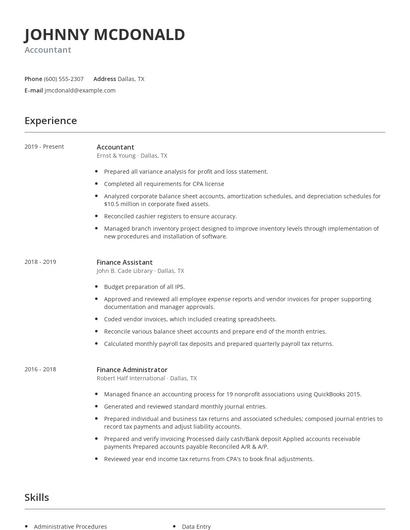
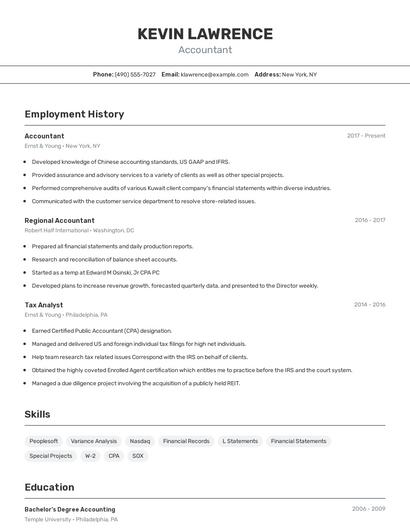
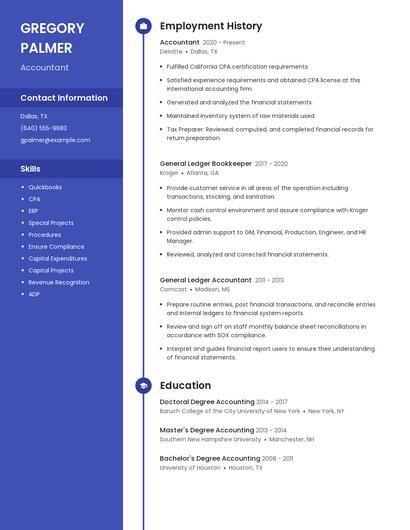
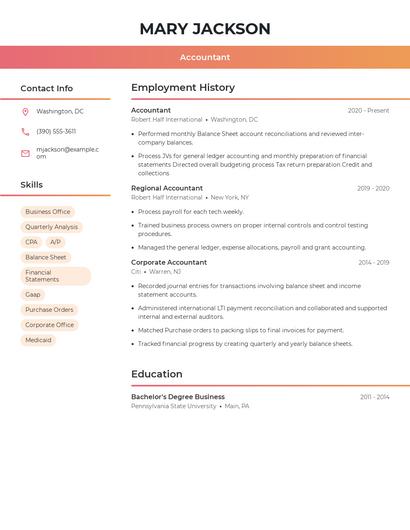
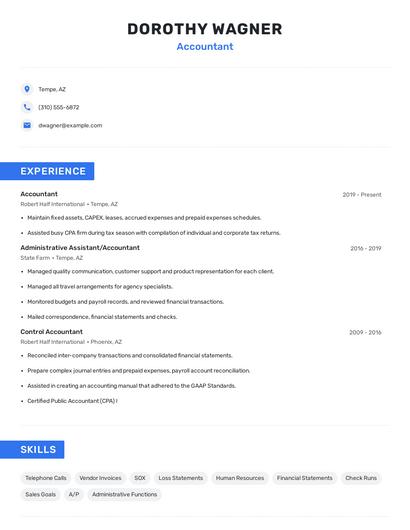
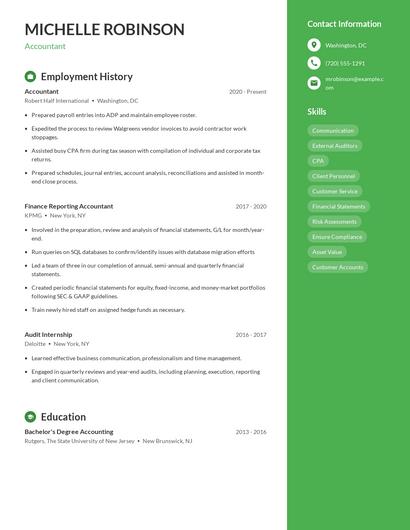
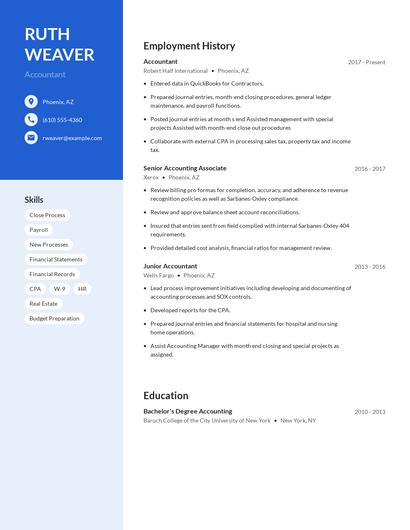
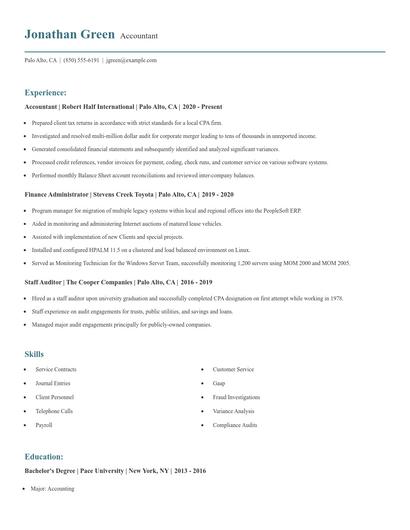
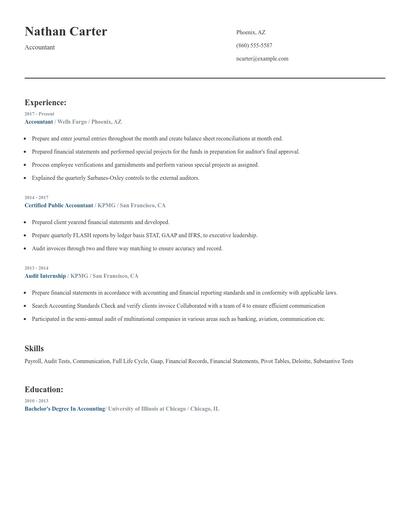
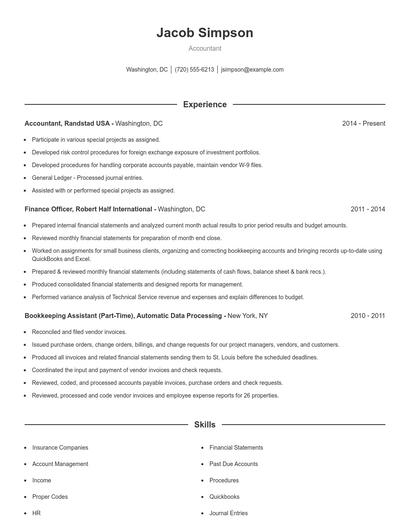
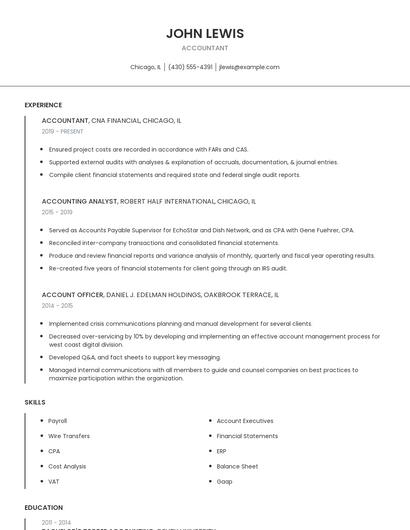
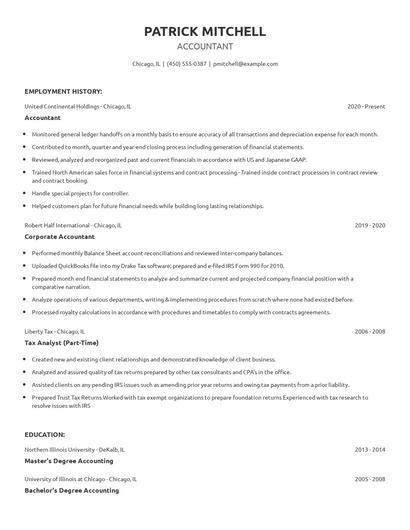
Choose from 10+ customizable resume templates
Zippia allows you to choose from different easy-to-use templates, and provides you with expert advice. Using the templates, you can rest assured that the structure and format of your resume is top notch. Choose a template with the colors, fonts & text sizes that are appropriate for your industry.