Explore jobs
Find specific jobs
Explore careers
Explore professions
Best companies
Explore companies
This question is about psychotherapist.
What should I study to become a psychotherapist?
To become a psychotherapist, you should study sociology, education, and health sciences. While an advanced degree in psychology will offer many different career options, other programs may also be of interest to you.
The amount of time each degree takes varies depending on the program selected.
A psychologist who has earned a Ph.D. or Psy.D. can work with clients in a variety of settings, including private practice, and is one of the most highly regarded professions. Professionals with a doctorate who have been licensed psychologists may operate in several environments, including private practice.
After completing a master's degree in psychology, some become licensed psychologists in their state. However, many mental health care settings accept those only with a master's degree. State guidelines on what type of services you're allowed to provide vary, so be sure to look them up before applying for any positions.
A master's degree in counseling is required if you want to become a licensed professional counselor. The degree typically takes two to three years for most people to complete. Some states may require additional training beyond the completion of the degree program.
Social workers with a master's degree may offer therapy to people in a variety of settings and circumstances.
Although it may be often overlooked, gaining a master's degree in advanced psychiatric nursing is a great choice for nurses interested in mental health. To become an advanced psychiatric nurse, one must have at minimum a master's degree in psychiatric-mental health nursing, which can take two to three years beyond earning a bachelor's degree.
Psychotherapy is the systematic examination of a person's well-being in the context of his or her treatment. The goal of psychotherapy is to make sure that the patient's well-being is at the top of the client-therapist connection. To do so, psychotherapists evaluate the outcomes and effects of each session throughout treatment.
A psychotherapist may hold any degree and apply for a psychotherapy graduate program after finishing their undergraduate education. The majority of their expertise in psychotherapy comes from a combination of coursework and theory, as well as practicums where they get hands-on experience.
Traditional clinical psychology programs are more rigid than psychotherapy programs. Some psychotherapy programs demand that students research while they're studying, while others prioritize coursework and practical experience.
It's critical to examine the criteria for entering the field of psychotherapy, since they may differ depending on your location.
The International Association for Counseling is a good starting point to locate the specific requirements for training and practice in your area. Their helpful tool lists all major counseling and psychotherapy organizations worldwide so that you can easily find one near you.

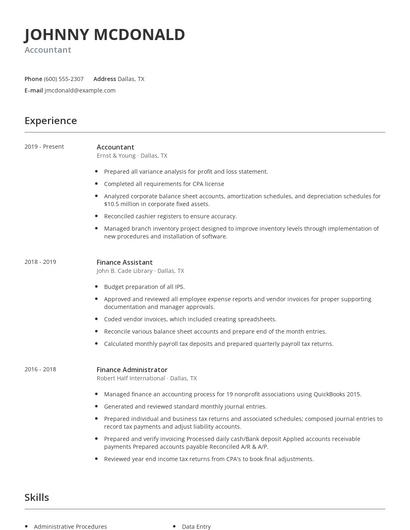
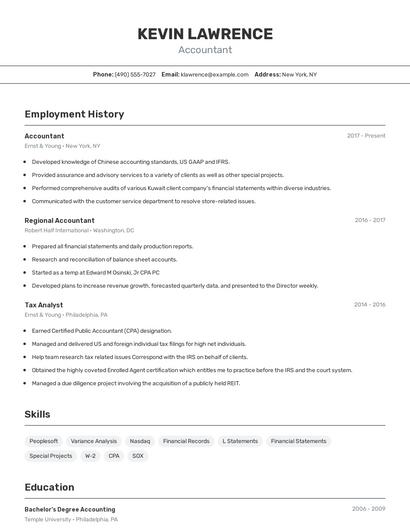
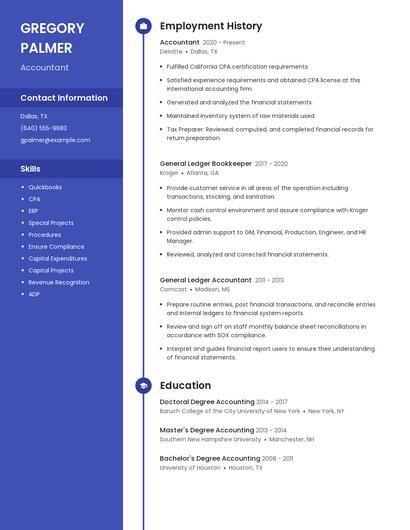
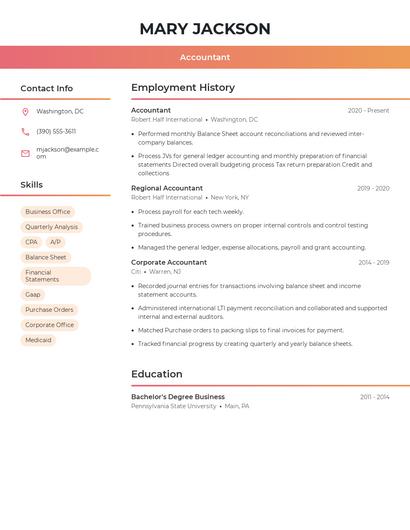
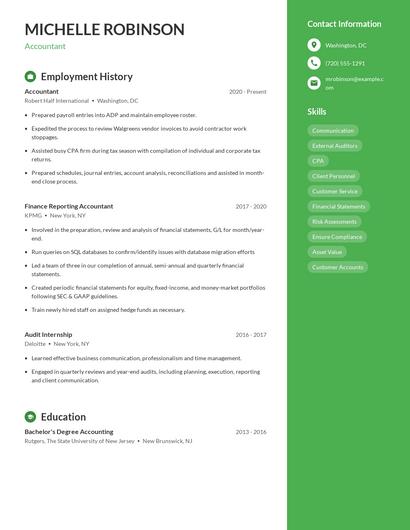
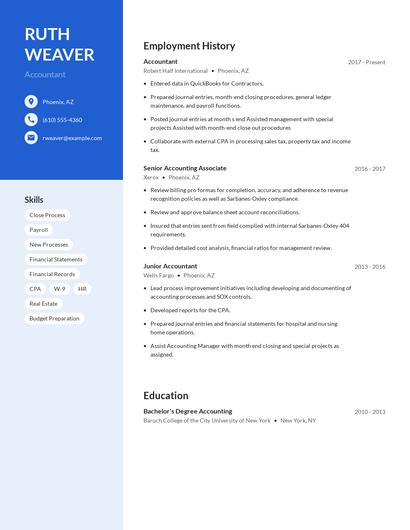
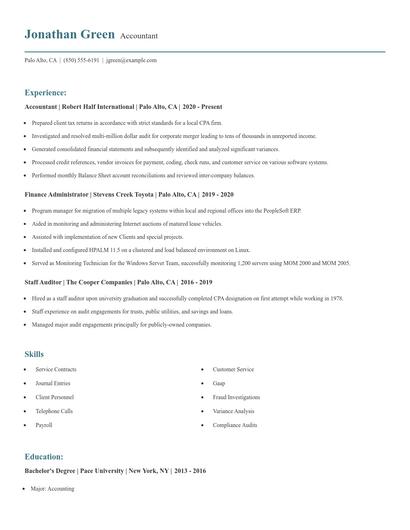
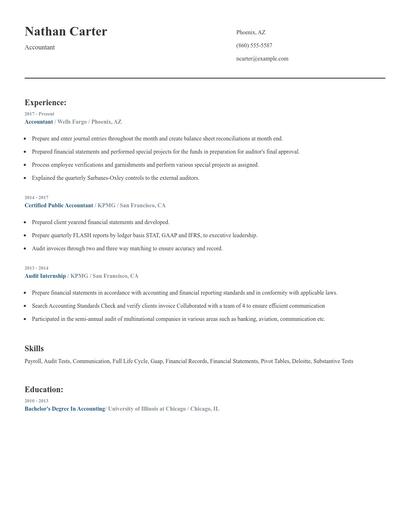
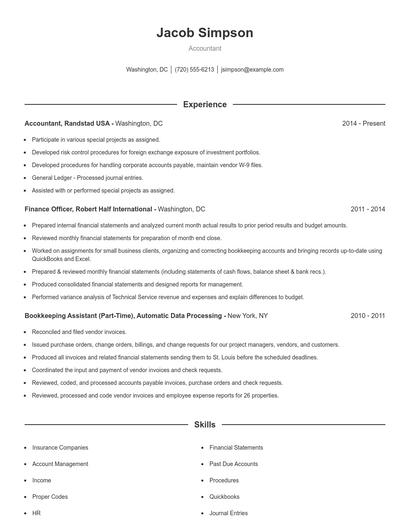
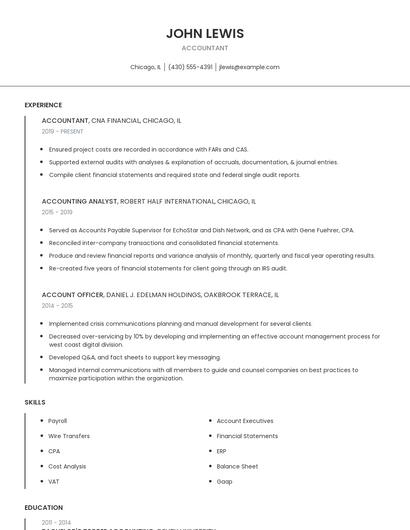
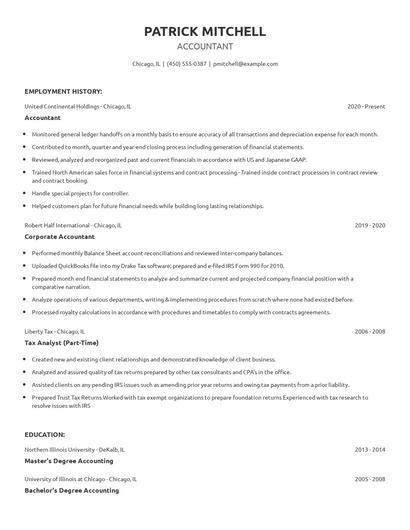
Choose from 10+ customizable resume templates
Zippia allows you to choose from different easy-to-use templates, and provides you with expert advice. Using the templates, you can rest assured that the structure and format of your resume is top notch. Choose a template with the colors, fonts & text sizes that are appropriate for your industry.