Explore jobs
Find specific jobs
Explore careers
Explore professions
Best companies
Explore companies
This question is about wildlife biologist education.
What should I study to become a wildlife biologist?
You should obtain an undergraduate degree in wildlife biology, general biology, zoology, ecology, or another related field in order to become a wildlife biologist. However, this education would only prepare you for an entry-level position.
Compared to other fields, Wildlife Biologists have high educational requirements, so if you want to advance beyond entry-level, it will mean getting a wildlife biology Master's degree or Ph.D.
One of the reasons for the education requirements is the field is constantly evolving, and new information is being discovered all the time. It's critically important for biologists working with wildlife to be up-to-date on the latest research in order to make informed decisions about how to best protect and conserve threatened and endangered species.
Not only must Wildlife biologists thoroughly understand complex biological processes and ecological systems, but they also need a working knowledge of computers, and they must be trained to use special computer programming techniques and software for use in the research process.
The Bureau of Labor Statistics (BLS) states that the overall employment of Wildlife Biologists is not expected to grow from 2021 to 2031, which is an anomaly since, over the decade, on average, they project about 1,500 openings per year for zoologists and wildlife biologists.
Most of these openings are a result of workers transferring to different occupations or retiring. The BLS also states the median annual wage for Wildlife Biologists was $64,650 in May 2021.

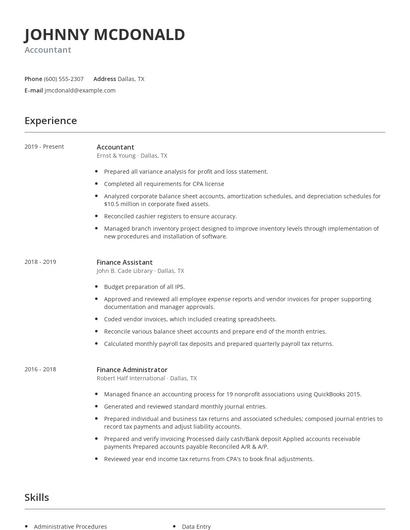
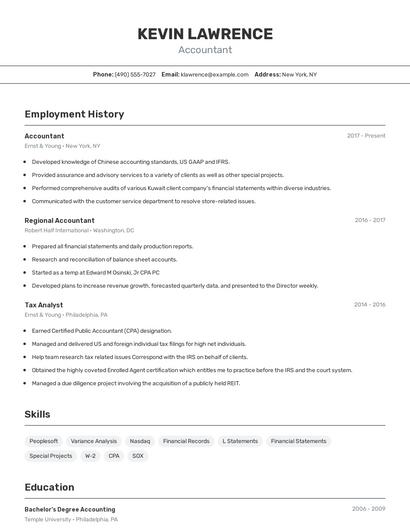
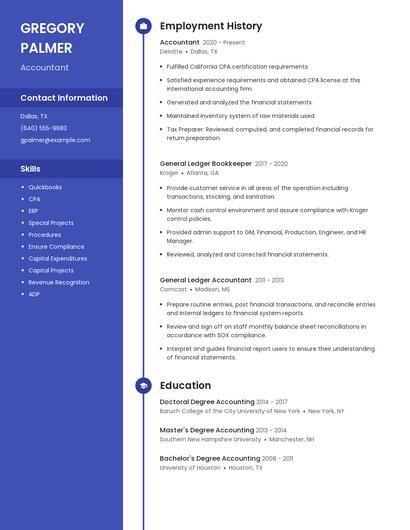
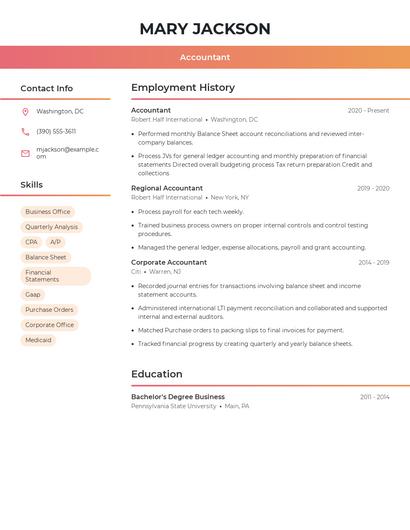
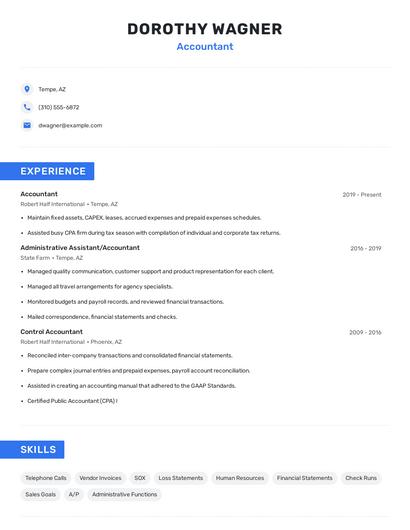
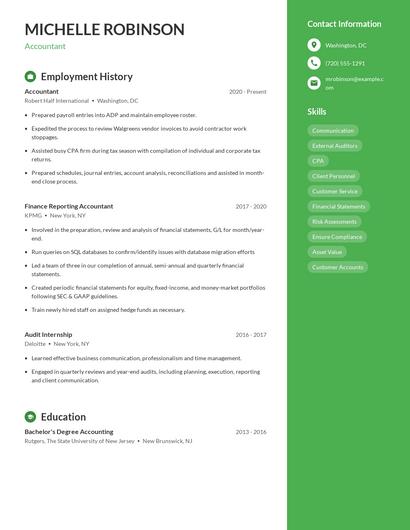
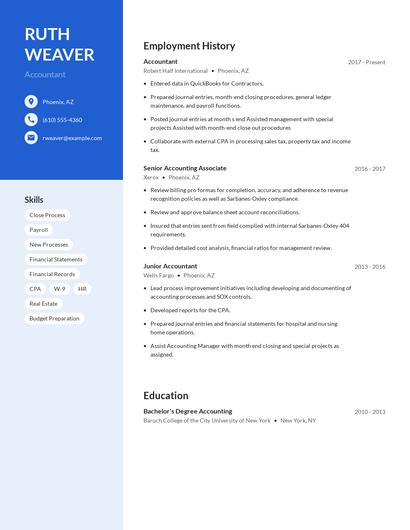
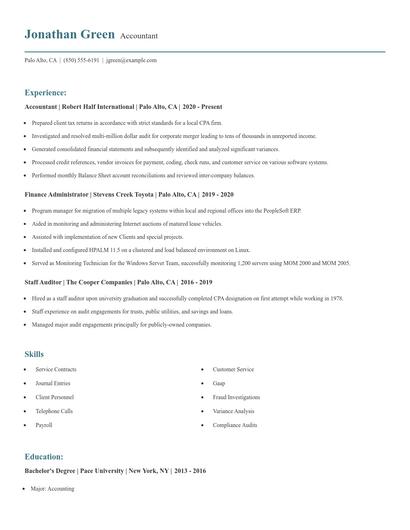
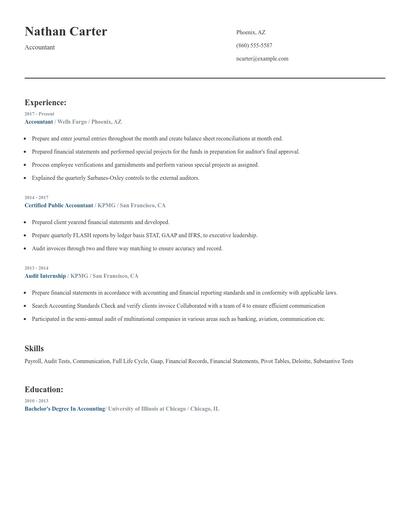
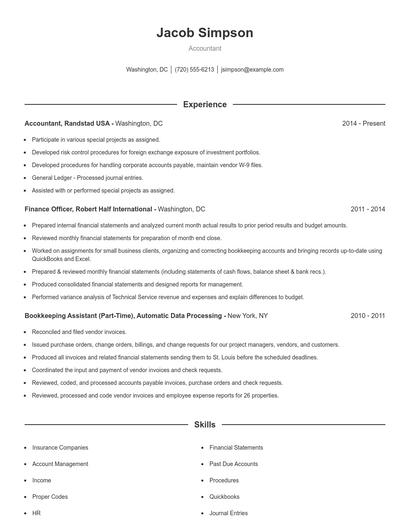
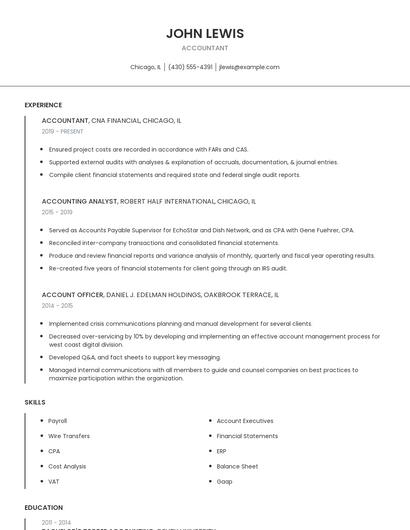
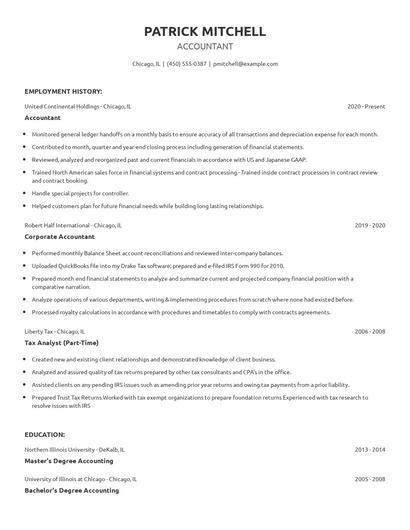
Choose from 10+ customizable resume templates
Zippia allows you to choose from different easy-to-use templates, and provides you with expert advice. Using the templates, you can rest assured that the structure and format of your resume is top notch. Choose a template with the colors, fonts & text sizes that are appropriate for your industry.