Explore jobs
Find specific jobs
Explore careers
Explore professions
Best companies
Explore companies
This question is about material engineer.
What skills do you need to be a materials engineer?
The skills needed to be a material engineer are related to researching, building, collaborating, developing, and processing products.
Materials engineers study the properties and structures of metals, ceramics, plastics, composites, nanomaterials (extremely small substances), and other substances to create new materials that meet certain mechanical, electrical, and chemical requirements.
Materials engineers should also possess the following specific qualities:
Understand Definition of Done (DoD), which is a set of deliverables that are needed to devise software. These deliverables can be exemplified by writing code, coding comments, unit testing, integration testing, design documents, release notes, and so on.
Understand Failure Analysis, which is a step-by-step process of determining the reason for a particular machine or equipment failure by way of checking, identification, and examination.
Data Analysis - both on a fundamental level, as well as statistics software languages and programs such as R, Python, Matlab, SPSS
Modeling software such as 3D CAD. Exposure to other JS UI frameworks (Angular, Vue, Elm).
Deep understanding of material properties. Ability to evaluate competitor's products through various reverse engineering techniques to determine material properties and various manufacturing process specifications.
Join the American Society for Testing Materials (ATSM)
Ability to regulate quality standards - monitor specific standards of products that the companies set for the customers that have to be met and maintained throughout the process until delivery.
Analytical skills. Materials engineers must be able to determine how materials will be used in a wide variety of conditions and how the materials must be structured to withstand the requirements of those conditions.
Math skills. Materials engineers use the principles of calculus and other advanced topics in math for analysis, design, and troubleshooting in their work.
Problem-solving skills. Materials engineers must understand the relationship between the structure of materials and their properties and means of processing and how these factors affect the product.
Speaking skills. In supervising technicians, technologists, and other engineers, materials engineers must state concepts and directions clearly.
Writing skills. Materials engineers must write plans and reports clearly so that people without a materials engineering background can understand the concepts.
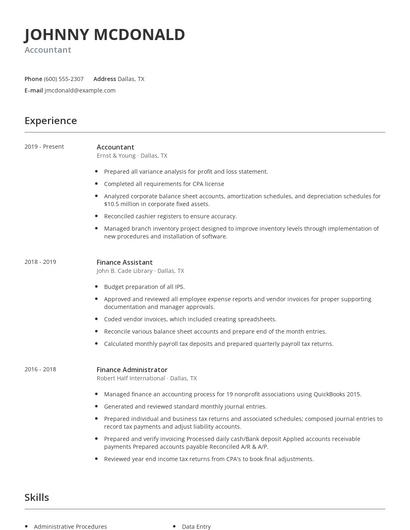
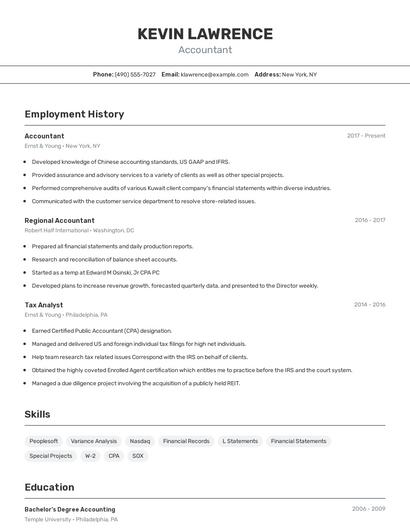
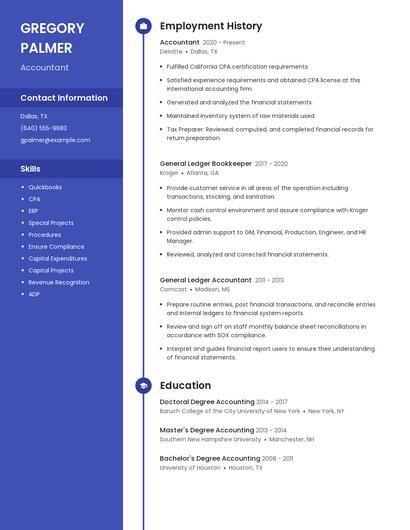
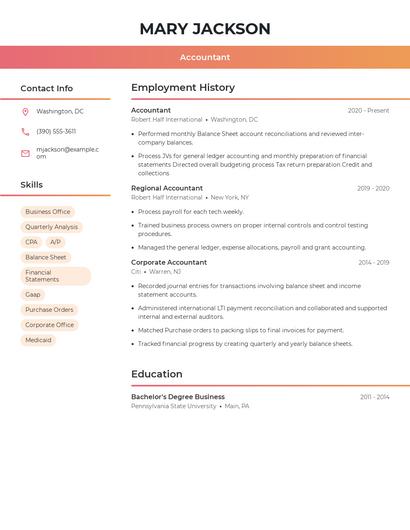
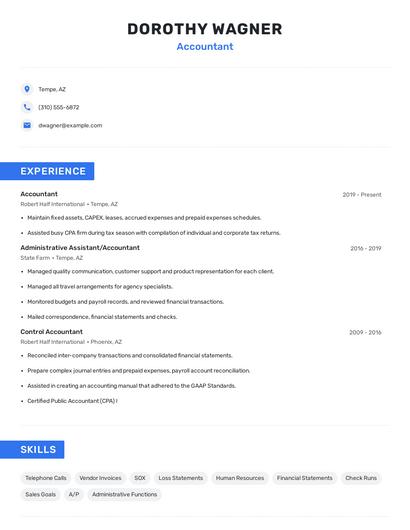
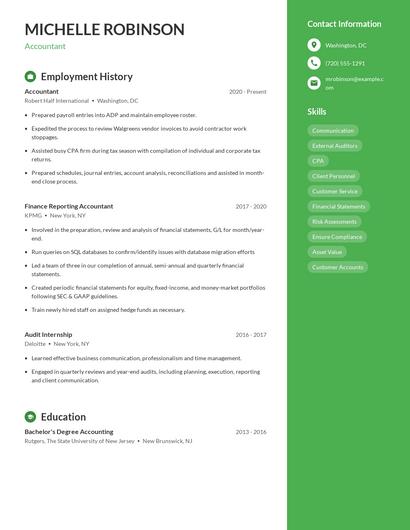
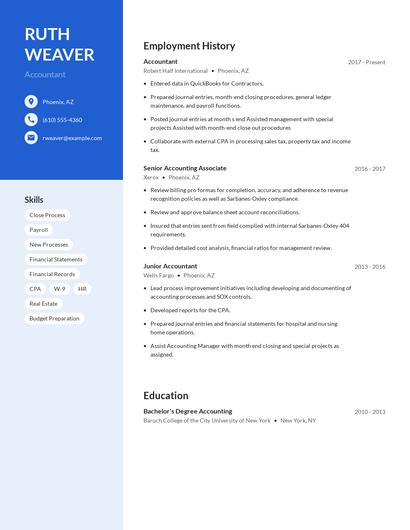
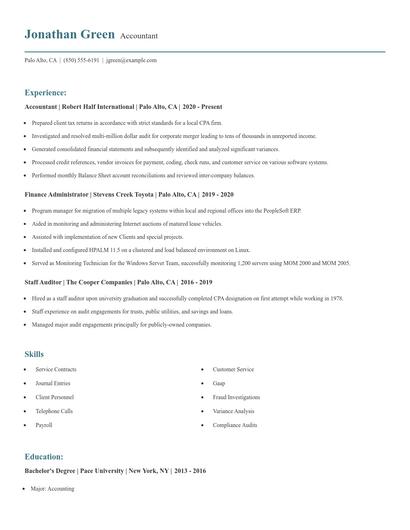
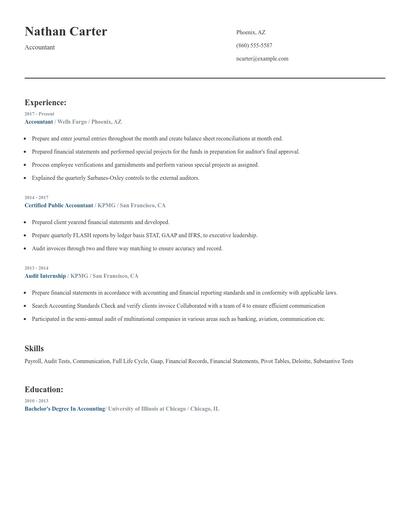
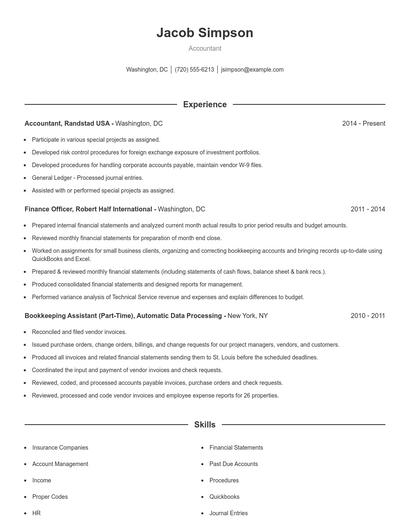
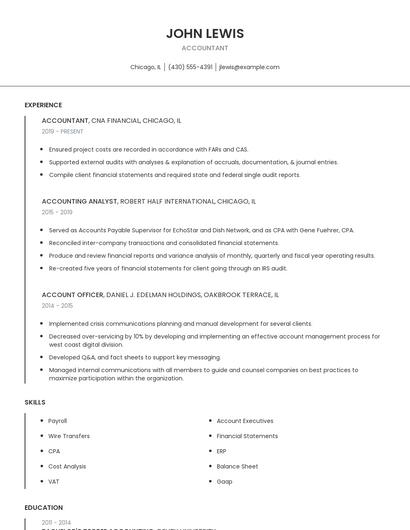
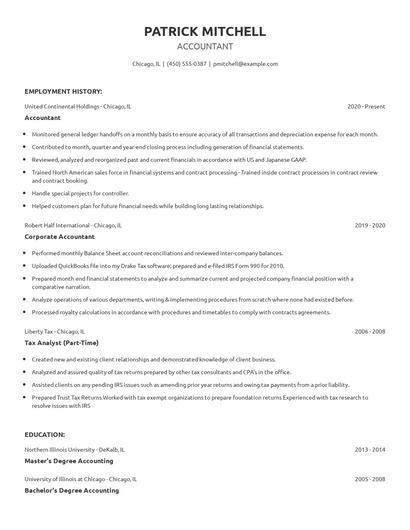
Choose from 10+ customizable resume templates
Zippia allows you to choose from different easy-to-use templates, and provides you with expert advice. Using the templates, you can rest assured that the structure and format of your resume is top notch. Choose a template with the colors, fonts & text sizes that are appropriate for your industry.