Explore jobs
Find specific jobs
Explore careers
Explore professions
Best companies
Explore companies
This question is about what a paralegal does and paralegal.
What's the difference between a lawyer and a paralegal?
The main difference between a lawyer and a paralegal is training, licensing requirements, and relationship with the client.
While some paralegals, acting under the supervision of an attorney, become very knowledgeable in the law, a paralegal cannot represent a client in any legal proceeding and cannot generate legal documents or give legal advice to a client without the oversight and approval of a licensed attorney.
Some of the main differences include:
Educational requirements - A lawyer needs a Juris doctorate (or J.D.) degree from a school approved by the American Bar Association (ABA) to qualify to take the bar and receive a professional license. Paralegals, on the other hand, often require little or no specialized education.
License - To obtain a license to practice law, an attorney must obtain a J.D. From an ABA-accredited law school, pass an exhaustive background check (much more than a simple criminal background check).
They must also pass a grueling licensing test called the bar examination. A paralegal may or may not need a certification depending on the state or law firm.

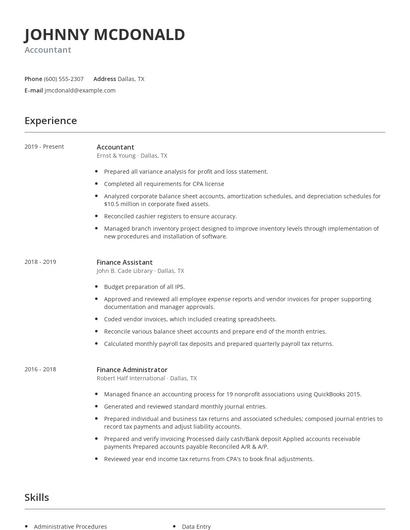
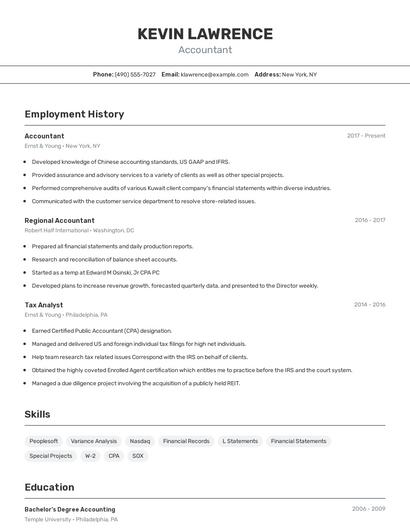
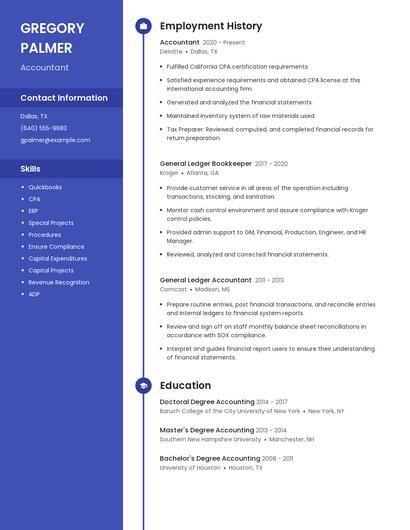
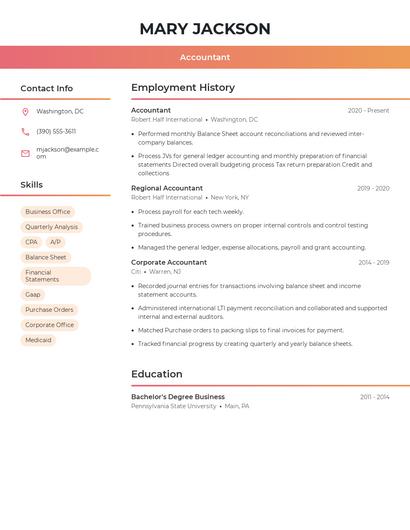
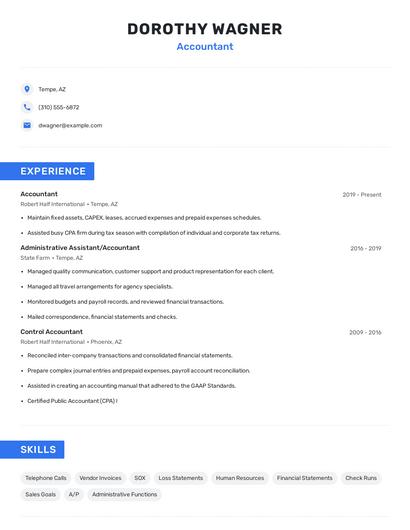
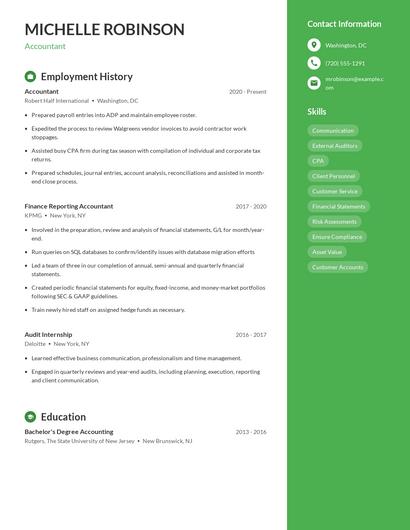
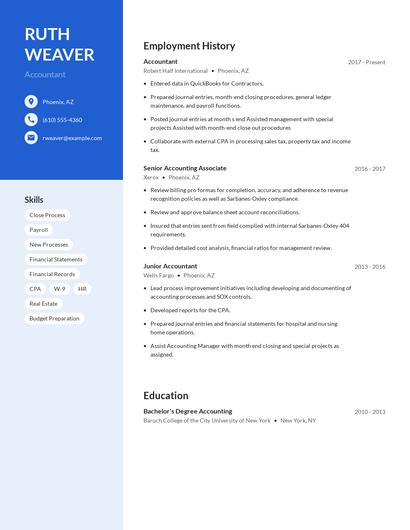
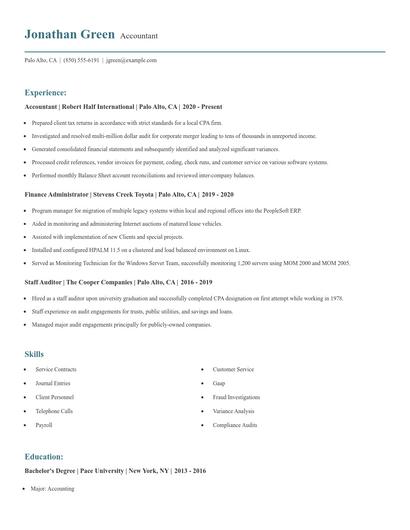
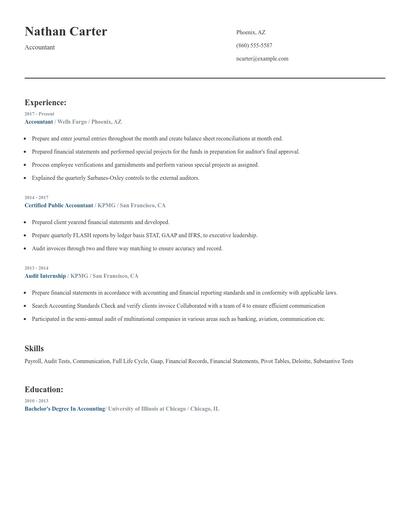
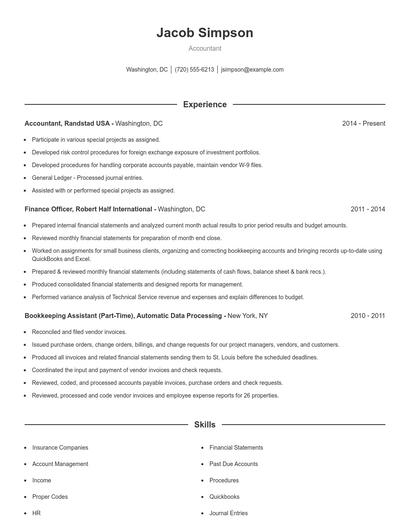
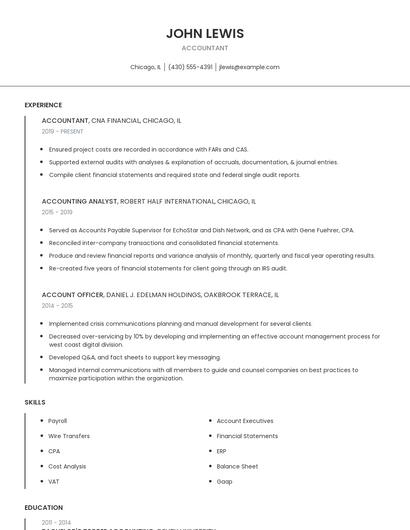
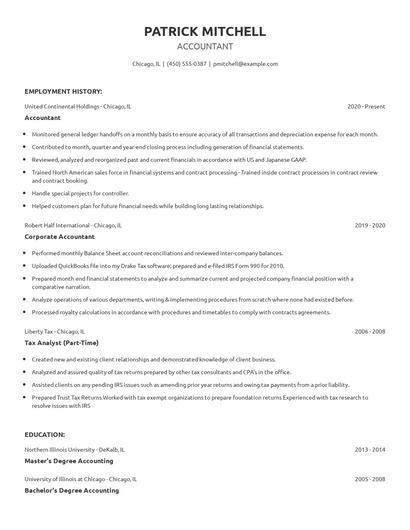
Choose from 10+ customizable resume templates
Zippia allows you to choose from different easy-to-use templates, and provides you with expert advice. Using the templates, you can rest assured that the structure and format of your resume is top notch. Choose a template with the colors, fonts & text sizes that are appropriate for your industry.