Explore jobs
Find specific jobs
Explore careers
Explore professions
Best companies
Explore companies
This question is about phlebotomist.
Where do phlebotomists work?
Phlebotomists work mainly in hospitals, doctor's offices, and laboratories. Phlebotomists who collect blood donations may occasionally travel to different offices and sites in order to set up mobile blood donation centers. They may also travel to long-term care centers or patients' homes.
Approximately 37% of phlebotomists work in a hospital setting. They are usually assigned to draw blood samples from patients, properly label the samples, and transport them to the laboratory for testing. They will interact with a wide spectrum of patients who are having blood drawn for a wide range of reasons.
One of the benefits of working as a phlebotomist in a hospital setting is that you can collaborate with different types of healthcare professionals. Whether you are using phlebotomy as a stepping stone to another medical role or want to explore other roles in the phlebotomy field, having access to other healthcare professionals is invaluable.
Approximately 33% of phlebotomists work in medical or diagnostic laboratories. Patients usually go to these laboratories if they just need blood work done and don't require other medical care. Phlebotomists in these settings commonly draw blood from a lot of patients and process a lot of blood samples during a typical workday.
Lab appointments are usually faster because they do not involve detailed questions or chart reviews like other medical visits. Phlebotomists in this setting typically don't have heavy involvement with the doctors or other medical staff beyond other phlebotomists; however, have the opportunity to actively practice and perfect their blood drawing skills.
Some private practice doctors officers will hire on-site phlebotomists for the convenience of their patients. In these settings, the types of patients that are encountered depend on the type of practice the doctor has. There may be unique challenges based on the medical branch that the doctor is involved in.
For example, a phlebotomist in a pediatrician's office may have to regularly calm down young patients (and possibly parents) before being able to do the blood draw. They may also need extra attention afterwards to soothe the patient.
In general, phlebotomists in a private practice doctor's office have a more relaxed and casual pace than their counterparts in a hospital or laboratory setting.
Mobile phlebotomists visit the homes of patients who are not physically able to go to a hospital or laboratory. They perform blood collection for medical tests in the comfort of the patient's home. They typically work for the Visiting Nurse Association or a similar hospice organization.
They travel extensively as they need to go to the patient's home to draw the samples and then deliver the samples to the laboratory for testing. They have very little interaction with anyone other than the patient's they are providing care to, so this is not the ideal position for someone needing interaction and looking for networking.
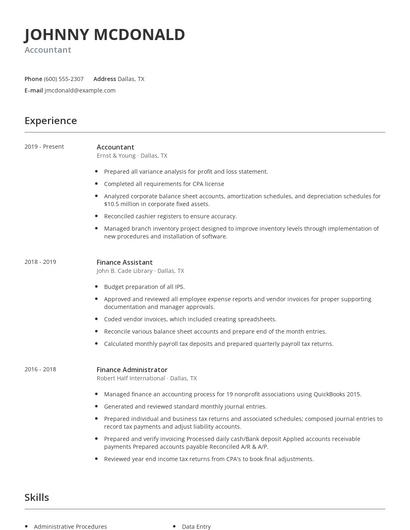
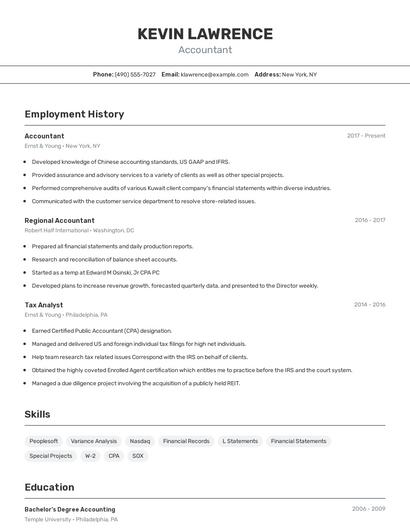
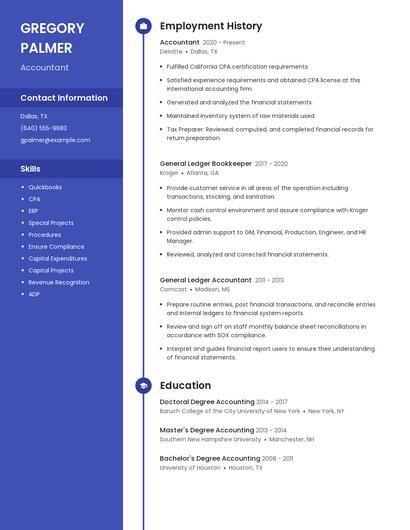
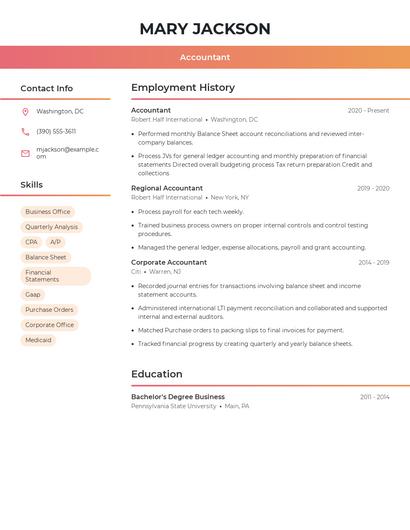
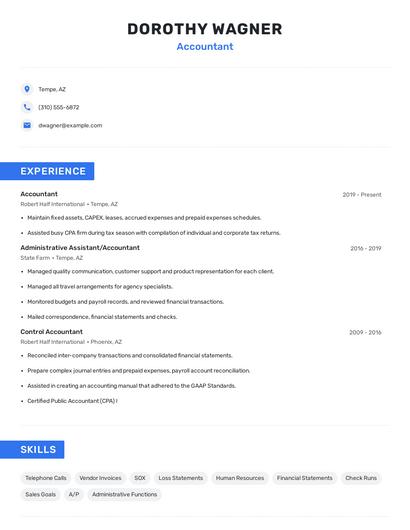
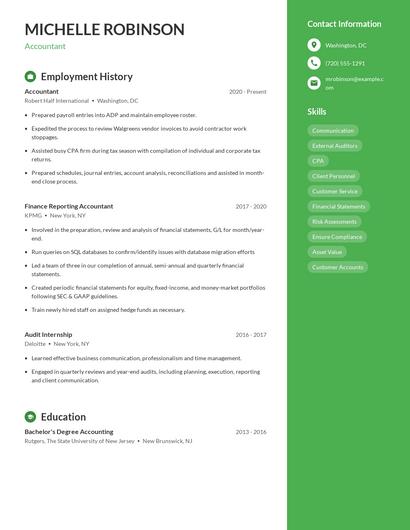
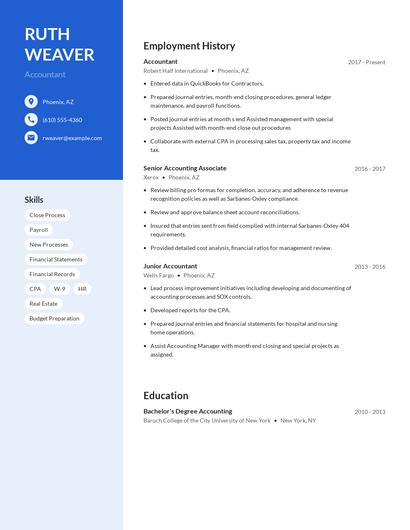
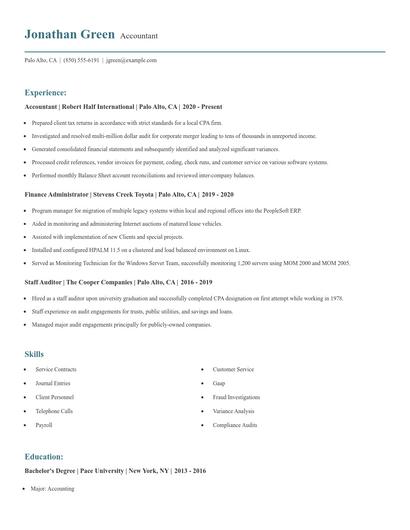
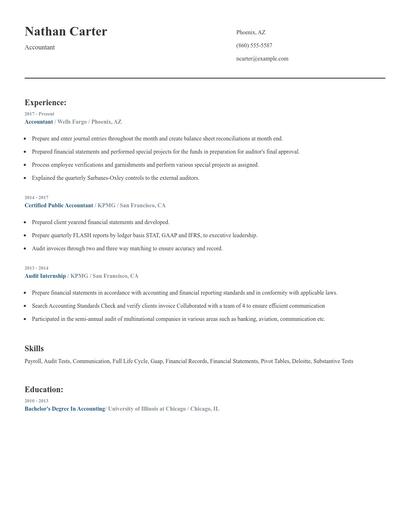
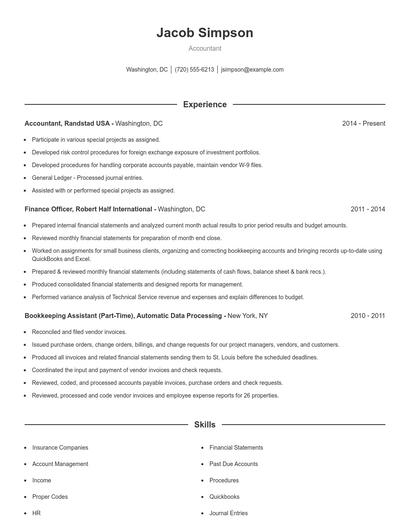
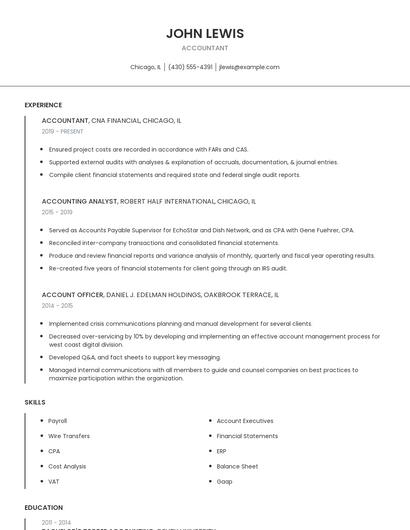
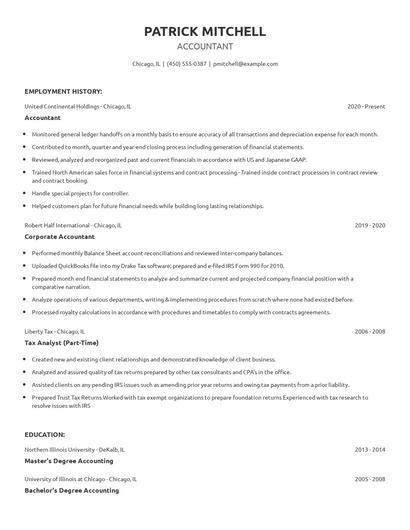
Choose from 10+ customizable resume templates
Zippia allows you to choose from different easy-to-use templates, and provides you with expert advice. Using the templates, you can rest assured that the structure and format of your resume is top notch. Choose a template with the colors, fonts & text sizes that are appropriate for your industry.