Explore jobs
Find specific jobs
Explore careers
Explore professions
Best companies
Explore companies
This question is about medical scribe.
Why do you want to be a scribe?
To answer "Why do you want to be a scribe?", focus on what you can bring to the role. During an interview, employers hope to learn the specific reasons you hope to become a scribe. This shows them you've critically reviewed the job description and understand the responsibilities and skills needed to perform the role.
A medical scribe can be considered a data entry specialist for the healthcare industry. You will perform clerical duties and other medically adjacent tasks that will help the clinic stay organized. Your typical duties will include:
Retrieving medical records
Documenting patient notes during appointments, exams, and meetings
Reviewing and checking for the accuracy of a client's illness history
Managing clients as they enter the clinic
Writing meeting notes during staff meetings
Taking notes during pre-visit interviews.
Sharing your reasons for wanting to be a scribe can provide an interviewer insight into your strengths and goals if you share why you might perform well or what you hope to develop. Some common reasons to become a scribe include:
Wanting to learn about the medical field. By shadowing nurses and physicians while recording patient data, you can observe the daily operations of a facility. This reason shows how you're eager to learn more about medicine and health.
Wanting to build your clerical skills. Becoming a medical scribe can help you build organizational skills that can be beneficial if you aspire to be a healthcare office manager or something similar.
Wanting to work with patients. You will often work directly with patients as a medical scribe, understanding and recording their conditions. Sharing this reason with interviewers can show them your interest in helping people through your work.
Gaining experience. More than simply learning about the field, you get direct experience in the healthcare industry. This can show that you're serious about a career in health care and hope to build your resume.
Growing our skills. You often have to type or take notes quickly, following specific checklists for the information you receive. Practicing this as a scribe can help increase your efficiency and show hiring managers your commitment to improving.
Developing trust. Physicians often know what they need to say and how they might act to build trust and relationships with their patients. As a scribe, you can learn techniques to build trust with patients, and sharing this reason with interviewers can show your awareness of desired competencies.
When answering this question, state the true reason for your interest and what excites you about it. Reference specific job responsibilities that are outlined in the job description and how you are a fit. Make direct connections between the job posting and the skills that you have.
Describe things like how you hope to help physicians document medical history or examination results so that they have the time to focus on patient care.
A sample answer can include:
I've always wanted to learn more about the medical field and felt excited when I saw this open position. Making charting rounds is something I liked to see in the job description since I'm in nursing school.
Although I don't have previous scribe experience, I've learned strong communication, active listening, and organization skills during my studies at nursing school. This job can help provide me with hands-on experience to help me understand the application of my studies and prepare me for a career in nursing.

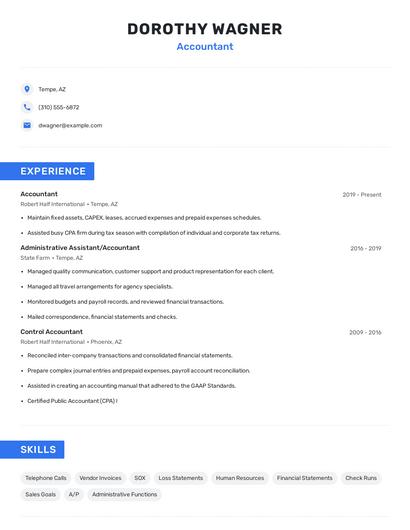
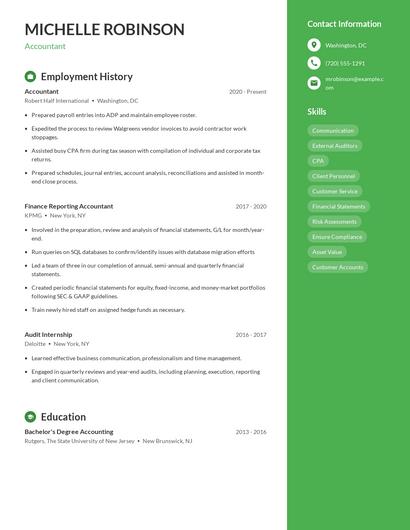
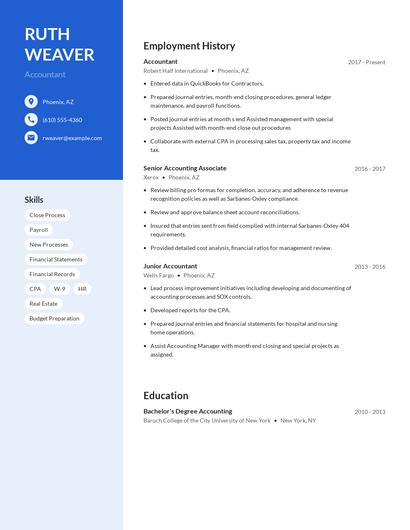
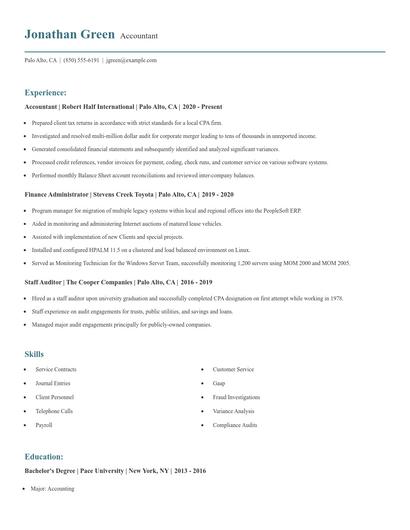
Choose from 10+ customizable resume templates
Zippia allows you to choose from different easy-to-use templates, and provides you with expert advice. Using the templates, you can rest assured that the structure and format of your resume is top notch. Choose a template with the colors, fonts & text sizes that are appropriate for your industry.