Explore jobs
Find specific jobs
Explore careers
Explore professions
Best companies
Explore companies
This question is about what a business analyst does, what a data analyst does, and business analyst.
Business Analyst vs. Data Analyst
A business analyst uses data to make strategic business decisions, while a data analyst gathers data and then manipulates it to find useful information.
A business analyst focuses on identifying trends in the organization that can be optimized to improve overall business planning and performance. They support the continuous improvement of the business and seek to find areas of inefficiencies in technology and processes.
Although they use data, business analysts tend to have a more retroactive and descriptive approach in their analysis and attempt to define goals and requirements for programs and projects.
A data analyst uses data to recognize patterns in a dataset and make accurate predictions based on this information. Data analysts strive to answer specific questions and discover new insights for competitive advantages. Their work is usually done on an ad hoc level because data sources and correlations are constantly being discovered and changing.
The majority of a data analyst's time is spent gathering raw data from various sources, cleaning the data, and transforming it so that useful information can be extracted when needed.
There are many differences between a coordinator and an administrator including education and how they use the data.
Here are the key differences between a coordinator and an administrator:
A business analyst uses data to identify problems and solutions, but they do not do a deep dive into analyzing the data
A data analyst dives deep into the datasets and is responsible for not only gathering the data, but cleaning and mining it so that data can be used in meaningful ways (ie, to identify problems and solutions as a business analyst would do)
Business analysts need a working knowledge of statistical tools but tend to have a more extensive domain or industry (e.g, healthcare, e-commerce, manufacturing)
Data analysts must have in-depth knowledge and understanding of statistical tools, programming languages, networks, and databases
A business analyst needs to be proficient in modeling and requirements gathering
A data analyst needs to be proficient in business intelligence, data mining, and machine learning
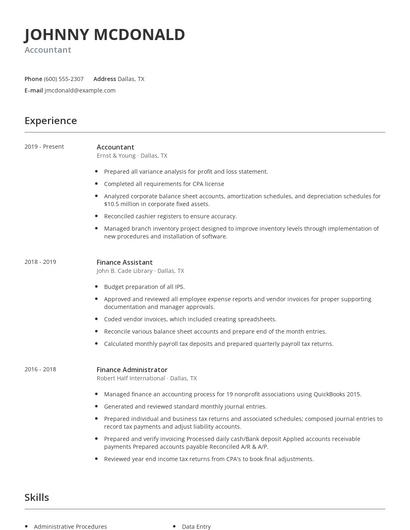
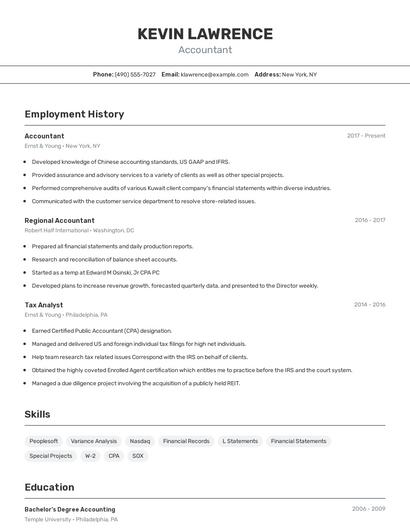
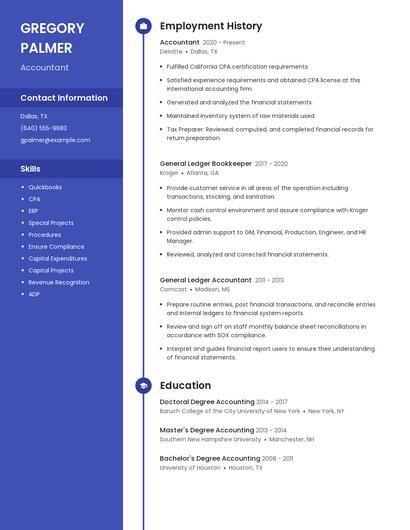
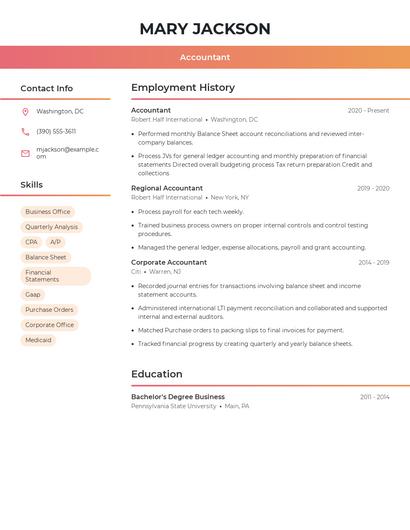
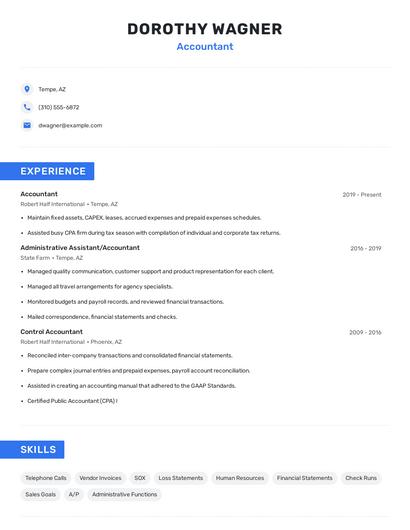
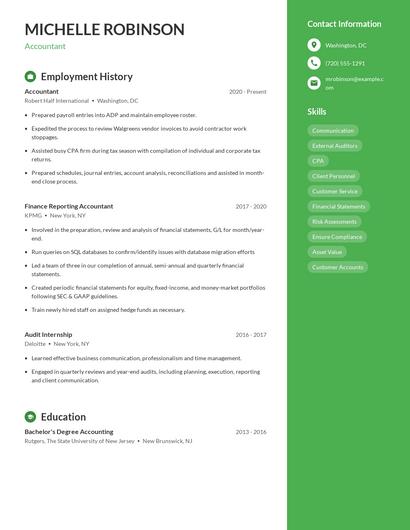
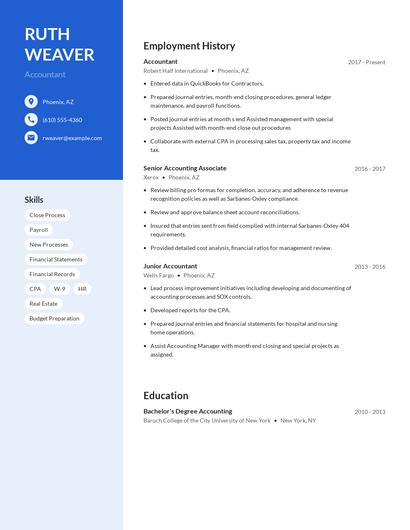
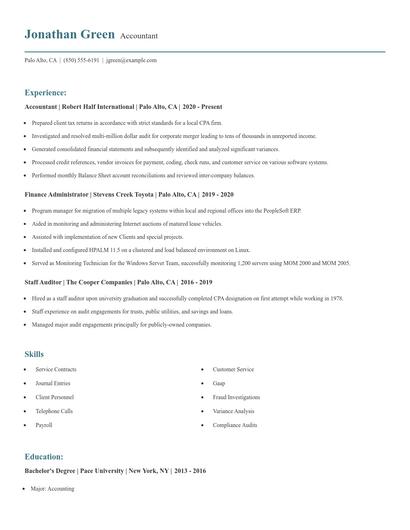
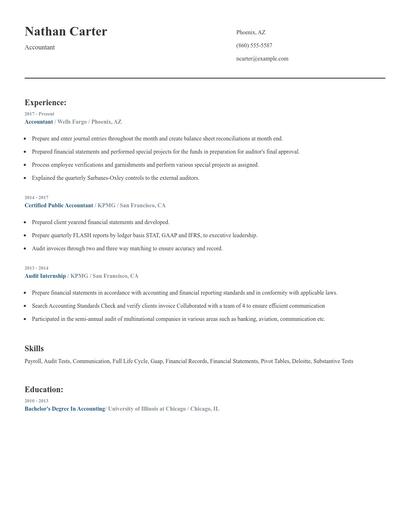
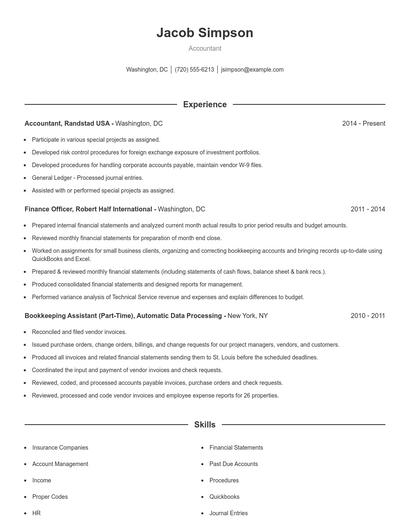
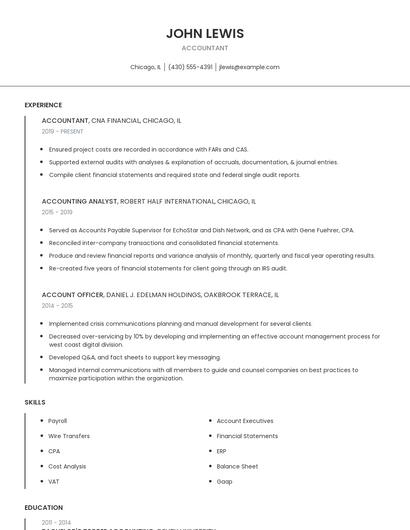
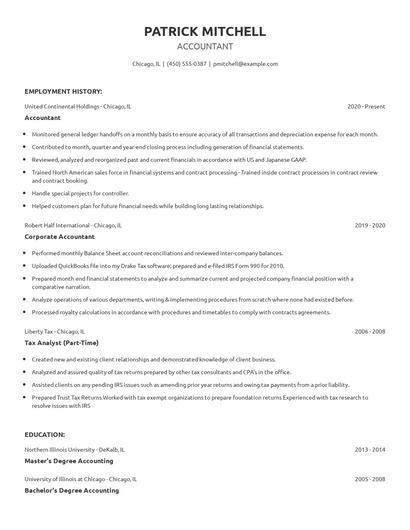
Choose from 10+ customizable resume templates
Zippia allows you to choose from different easy-to-use templates, and provides you with expert advice. Using the templates, you can rest assured that the structure and format of your resume is top notch. Choose a template with the colors, fonts & text sizes that are appropriate for your industry.