Explore jobs
Find specific jobs
Explore careers
Explore professions
Best companies
Explore companies
This question is about network engineer.
How long does it take to become a Network Engineer?
It takes 5 years of professional experience to become a network engineer. That is the time it takes to learn specific network engineer skills, but does not account for time spent in formal education. If you include the normal education requirements to complete a college degree, then it takes 8 to 10 years years to become a network engineer.
There are certain skills that you need to obtain in order to become a successful network engineer. Some of the most common skills are listed below. Along with each skill, we provide an actual example of how someone included the skill on their resume:
Network Security -- Played key role in design and delivery of transportable networks for enhancing in-country communications while maintaining compliance with network security standards.
Protocols -- Recommended and implemented improved documentation including troubleshooting checklists, escalation guidelines, phone numbers and status report / emailing protocols.
Troubleshoot -- Monitor and troubleshoot Wireless communication circuits to provide connectivity for the wireless end users modems in different regional geographic locations.
Infrastructure -- Involved in Design and implementation of network infrastructure and configuration of the network Infrastructure devices including Network Printers and Register.
BGP -- Configured Multi-Homed BGP with different Service Providers, to provide internet redundancy.
Common Educational Background For A Network Engineer
The education needed to be a Network Engineer is normally a Bachelor's Degree. Network Engineers usually study Electrical Engineering, Computer Science or Computer Information Systems. 62.0% of Network Engineers hold a Bachelor's Degree and 21.0% hold a Associate Degree. We found these by analyzing 36871 Network Engineer resumes to investigate the topic of Network Engineer education more precisely.
The most common colleges for students to pursue their goal of becoming a Network Engineer are DeVry University and University of Phoenix. We also broke down what colleges provide the best overall education for a Network Engineer. Students have a great path to earning their Network Engineer qualifications at the following schools:
- California State University - Long Beach
- Massachusetts Institute of Technology
- Stanford University
If you're interested in getting a college degree in an affordable college for Network Engineers - California State University - Long Beach is an excellent option for you. If your SAT or ACT score aren't as high as you'd like, you can look at Oregon Institute of Technology, as the admission requirements aren't too selective. On the other end of that spectrum are the Stanford University, Northwestern University and Vanderbilt University.
For those who would rather stay in your pajamas during the day, we prepared some online courses that can help in Network Engineer education paths.
Common Certifications For A Network Engineer
The CCNA Routing and Switching Certification (CCNA RS) certification is most common among Network Engineers. This certification is awarded by the Cisco Systems, Inc.. This certification tests for knowledge about the use of proprietary software or hardware products. It is used primarily for computer-related companies. To become a certified Network Engineer with CCNA Routing and Switching Certification (CCNA RS), You don't need to pass the exam. Lucky you - certification doesn't require more than two years of work experience. Renew certification every 3 year.

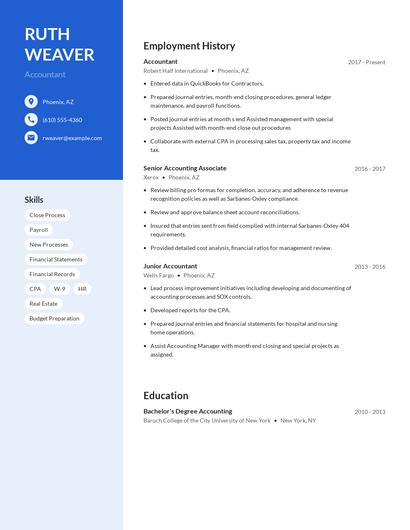
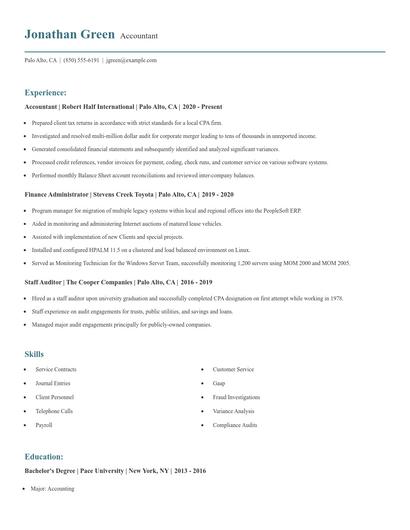
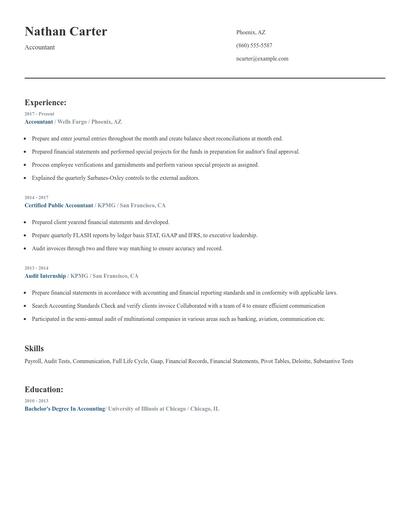
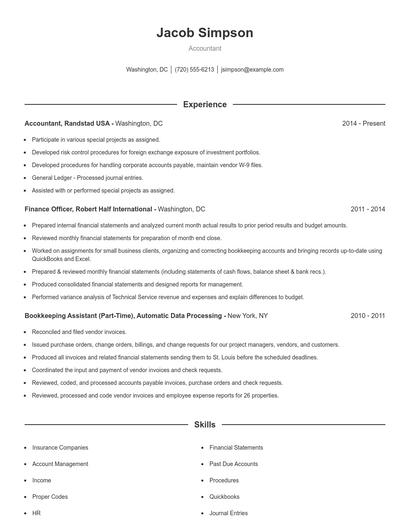
Choose from 10+ customizable resume templates
Zippia allows you to choose from different easy-to-use templates, and provides you with expert advice. Using the templates, you can rest assured that the structure and format of your resume is top notch. Choose a template with the colors, fonts & text sizes that are appropriate for your industry.