Explore jobs
Find specific jobs
Explore careers
Explore professions
Best companies
Explore companies
How to manage a small law firm
You need to define your law firm's focus, exhibit clear leadership, and establish your law firm's standard operating procedures in order to manage a small law firm. Here are some details on each of these steps and others you can take to manage a small law firm:
Define your law firm's focus. This sounds obvious, but it's a crucial first step. You must not only define your law firm's focus but also communicate this focus to all of your small law firm's attorneys and staff.
Choosing a specific legal practice focus exhibits to possible clients and other attorneys that your small law firm has expertise in a certain area of the law. Lawyers who choose to focus on one specific area of the law are able to gain a wealth of experience, and contacts, which gives them the ability to solve legal issues quickly and provide clients with a supreme level of service.
There are many different areas of the law to choose from. Your small law firm could focus on estate planning, personal injury, family law, civil litigation, or another niche area. Each type of law comes with its own legal vocabulary and legal procedures, so it's important for your small law firm to pick one and master it.
Once you have an area of focus for your small law firm, you might want to employ the use of a legal practice management system to help streamline your efforts. This system has position-based dashboards that provide crafted information and data to individual lawyers and employees of your small law firm.
The idea is that the system shows the law items that matter to each specific role within your law firm. A legal practice management system is a great help to keeping your small law firm organized and to keep all of your attorneys on their proper tasks.
Exhibit clear leadership. As the owner or a partner of your small law firm, it is important for you to motivate your employees and fellow attorneys.
A small law firm's greatest asset is its lawyers, so you need to be able to properly lead and communicate your firm's focus, strategy, and values to your team. Your lawyers are going to look to you for guidance, and you need to be ready to give it to them confidently.
Legal work can be straining, consuming long hours, and requires a lot of personal stamina and perseverance. It's crucial that you lead by example in these areas.
If you want the members of your small law firm to work hard, then you must work hard. Leading by example inspires your lawyers and staff to properly commit themselves to their jobs.
Establish your law firm's standard operating procedures. Once you have a primary focus in a specific area of the law, you need to create a standard set of procedures (SOPs) that everyone in your small law firm understands and follows.
Standard operating procedures give your lawyers and employees protocol on how to handle various issues and tasks unique to your small law firm. Depending on your firm's legal focus, these may vary; however, here are some generally universal SOPs for small law firms:
Client onboarding
Legal case management
Document reviews and approvals
Document intake and data management
Scheduling appointments
Time tracking (for legal hours billed to clients)
Billing clients and payments
Trial or court preparation
Organizing and archiving client files once legal services are complete
You should seek to organize and document all pertinent information for your lawyers, and employees, in a searchable, digital database. All policies and procedures should be included, as well as a firm organization chart and a data map for your small law firm.
If you are having a difficult time managing your SOPs, there is computer software that can assist you with automation for certain aspects of your workload.
Digitize as much as you can. Small law firms have to deal with an abundance of paperwork, legal documents, transcripts, and many other hardcopy items. You should try to make your small law firm as paperless as possible by digitizing everything you can.
Scanning documents and storing them on the computer or online databases is a great way to keep your small law firm organized. You should always back up any digital files for safety, though. You can also look into creating a portal website for your clients, so they have easy access to any relevant information.
In addition to documentation, you should also try to digitize other areas of your small law firm to simplify your processes and protocols. There is available software to help you with time and billing, as well as scheduling.
Utilizing these kinds of software can help your firm save hours each week and increase your revenue. They can also give you keen insights into how your small law firm is functioning overall in terms of productivity levels.
Legal practice management software can also be useful in generating referrals for your small law firm. It can give you and your team valuable information on past referrals while organizing incoming client opportunities in one easily accessible digital place.
Pay close attention to accounting and finance. Accurate and detailed accounting practices are essential for a small law firm. Punctual billing and efficient money management are crucial to your firm's profitability.
It is a good idea to hire an in-house accountant to handle these duties for you, if possible. That way, your firm can keep up with all financial matters throughout the fiscal year and not scramble during tax time.
You should also utilize the software for your time and billing; this helps keep your firm's finances well-organized and easy to find and reference.
Utilize key performance metrics (KPIs). If you want to add more clients to your law firm and increase its revenue and profitability, then you should track key performance metrics.
This strategy greatly assists you in finding out if your small law firm is on the right track to meeting the objectives and goals you have laid out for it. To truly take advantage of KPIs, you need to review them often, so it is a good idea to even schedule regular times when you will do this.
Your small law firm's revenue and client objectives can be measured easily. Your firm's profit can be determined as total revenue minus the firm's total expenses for a certain period of time. And these areas can also be improved relatively easily, increasing revenue or reducing your small law firm's costs by automating certain tasks that are currently being done manually.
Key permanence metrics are crucial for keeping your small law firm on track and expanding your business in the areas it is going to benefit most from. KPIs assist you in developing important strategies that will have your small law firm grow and be successful.

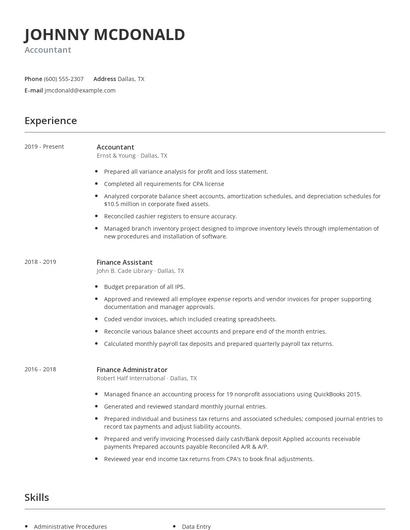
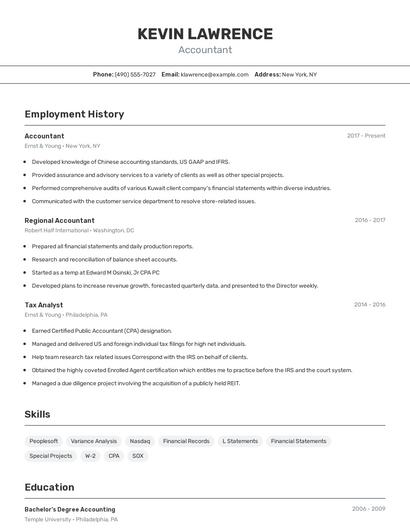
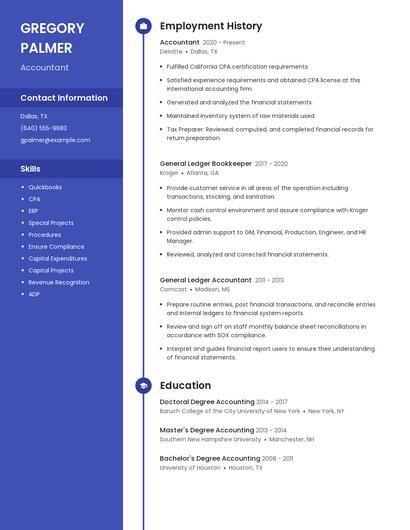
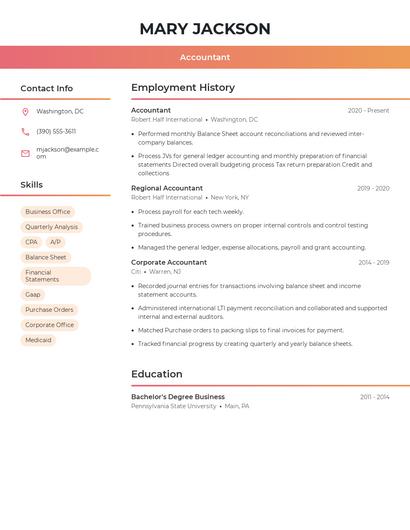
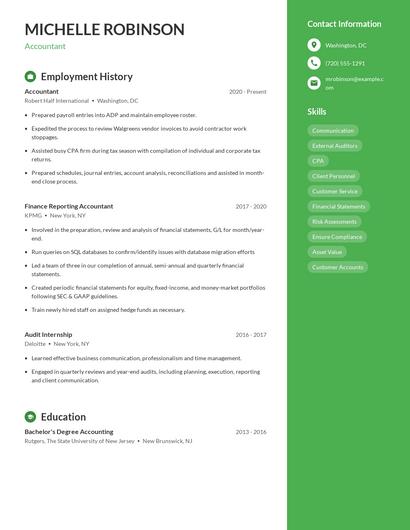
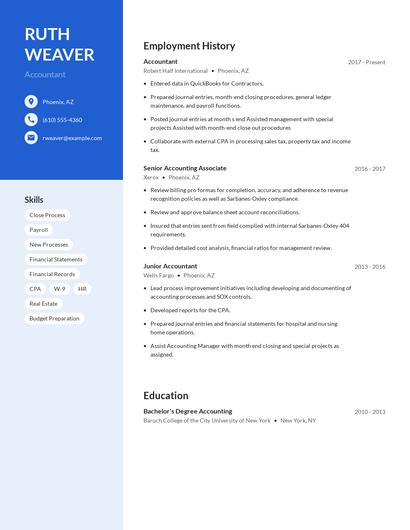
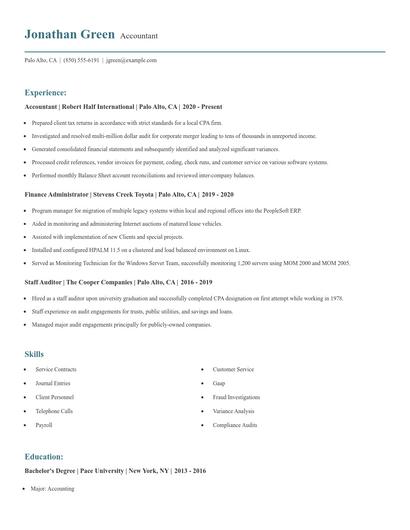
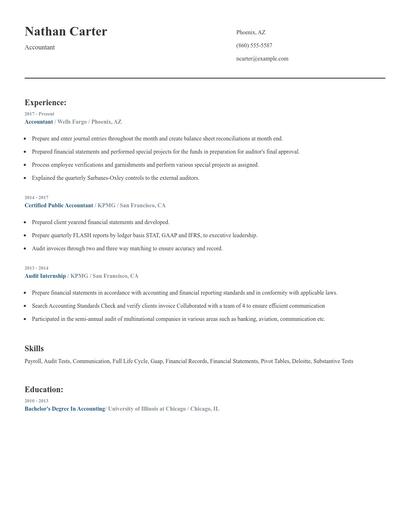
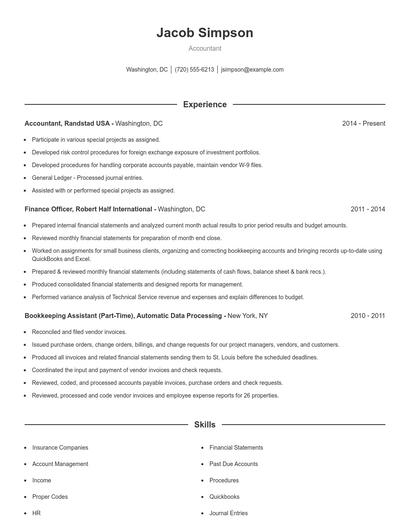
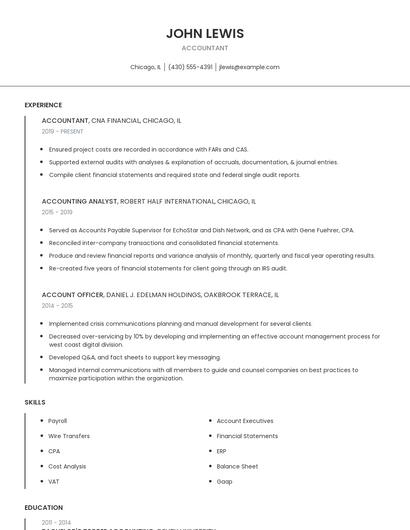
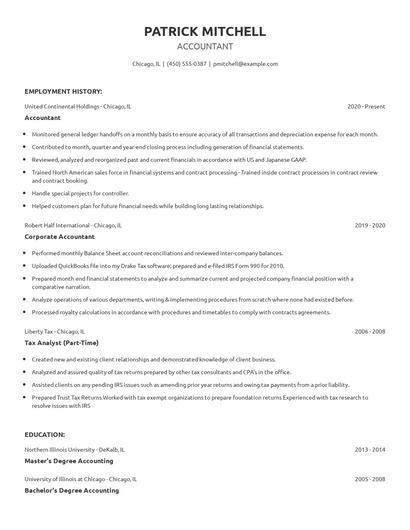
Choose from 10+ customizable resume templates
Zippia allows you to choose from different easy-to-use templates, and provides you with expert advice. Using the templates, you can rest assured that the structure and format of your resume is top notch. Choose a template with the colors, fonts & text sizes that are appropriate for your industry.