Explore jobs
Find specific jobs
Explore careers
Explore professions
Best companies
Explore companies
This question is about jobs.
Master's in data analytics jobs
Jobs you can get with a master's degree in data analytics include data scientist, machine learning engineer, and data analyst. Data is a significant industry in and of itself, with many different companies using it to help them decide on marketing strategies, operations strategies, and what customers are looking for. To succeed in data analytics, you must be an analytical thinker skilled in math and computers. If you have a master's in data analytics or if you're thinking of pursuing one, then here are ten of the best jobs you can get:
A Data Scientist analyzes information from multiple sources in order to gain maximum insight that can give the company a competitive advantage. They work in different domains, including manufacturing, healthcare, education, and finance.
Machine Learning Engineer
Average Salary: $74,342
Data analysts are responsible for interpreting the company's statistics and providing sound recommendations to the organization. They manage the organization's data sets, usually related to market performance, finance, or human resources. They are in charge of studying the available data, spotting trends, interpreting what the data and the trends mean, and recommending suggestions that will help the organization perform better. Their recommendations should also be relevant and backed up with strong analyses. Data analysts are expected to have a good grasp of the current market trends in the industry.
Average Salary: $108,359
A data manager is responsible for monitoring the efficiency of the company's technology systems and network infrastructures. Data managers ensure the safety and security of the databases to avoid unauthorized access that may pose risks for business operations. They assist the technology team in developing data management protocols and smooth navigation of the network systems. A data manager must have excellent knowledge of the technology industry, as well as having a strong command on system codes and programming languages, to immediately identify inconsistencies, and perform troubleshooting to fix these discrepancies.
Average Salary: $84,726
A statistician is a professional who gathers data and uses mathematical techniques to analyze and interpret data and draw conclusions. Statisticians are required to develop survey questionnaires or reporting forms so that they can collect the data they needed. Once the data are available, statisticians must analyze those data by calculating averages, reliabilities, and other specifics to identify trends and relationships. Statisticians must also write reports to explain their findings and recommend how to improve the design of future surveys or experiments.
Average Salary: $113,700
A Data Architect is responsible for designing, creating, deploying, and managing an organization's data architecture. They define how the data will be stored, consumed, integrated, and managed by different data entities.
Average Salary: $109,675
A data engineer is someone who makes data science possible. This IT job requires the search for data set trends and algorithm development to make raw data more beneficial to the enterprise. Data engineers are responsible for establishing and maintaining an environment that permits other data functions. The necessary skills for the job include in-depth knowledge of multiple programming languages and SQL database design. Among the other skills data engineers should develop include data warehousing and architecture, data mining and modeling, and statistical regression analysis.
Average Salary: $74,431
Business analysts are employees who are responsible for interpreting business data and coming up with business solutions. They are well-versed in whatever business the company is in, and they have strong business acumen. They collect data related to the business and then interpret and analyze the data. Business analysts should be able to conduct different levels of analyses and must also be able to create a sound study. Once the analysis is done, they provide recommendations or strategic direction to decision-makers that will help the business become sustainable and grow.
Average Salary: $100,495
A data modeler is responsible for designing and creating network systems and applications for efficient and secured data storage solutions. Data modelers work closely with the data management team to identify business needs and execute data modeling techniques for comprehensive analysis. They also strategize in improving existing data systems, upgrading infrastructure, and configuring information for compatibility with every business unit. A data modeler must have excellent technical skills, as well as a strong command of programming languages to modify and optimize data models for smooth navigation and access.
Average Salary: $69,887
A finance analyst is responsible for evaluating a company's financial data and historical reports to assess investment opportunities and provide accurate financial statements in support of business strategies and company performance prediction. A financial analyst's duties also include suggesting recommendations to boost operations efficiency and grow revenues, researching the current market performance and economic trends to adjust budget goals as needed, and managing client portfolios. Finance analysts must have excellent critical and analytical thinking skills to identify the best actions for the company's profitability.
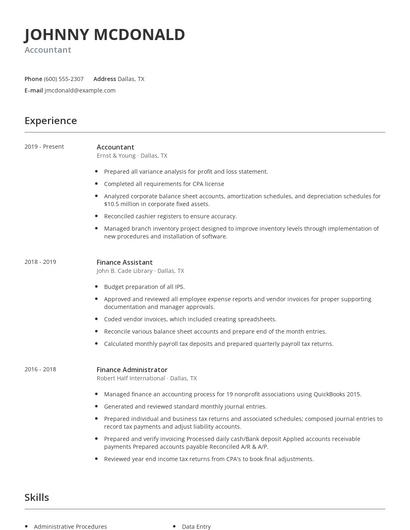
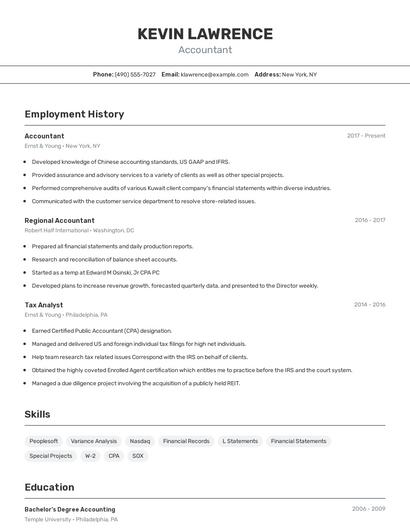
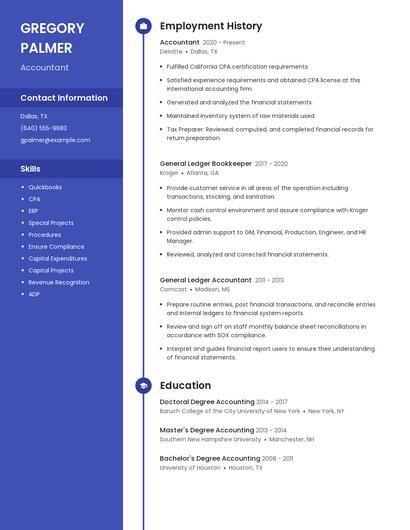
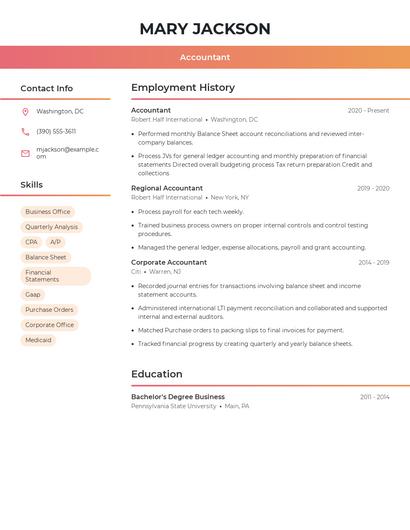
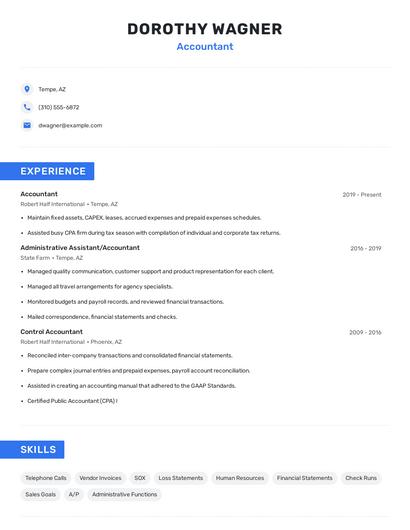
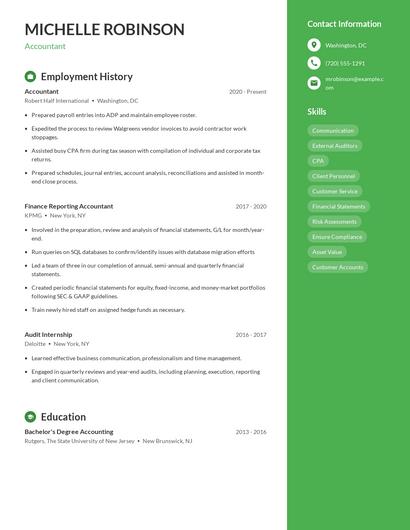
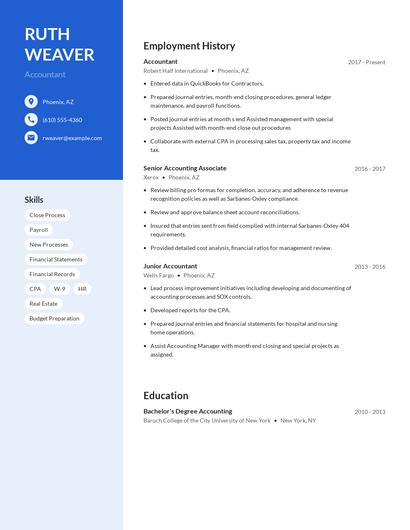
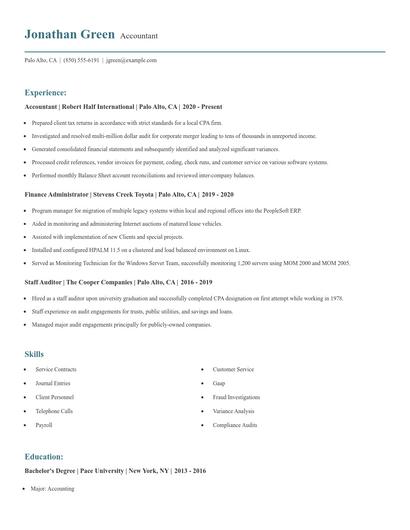
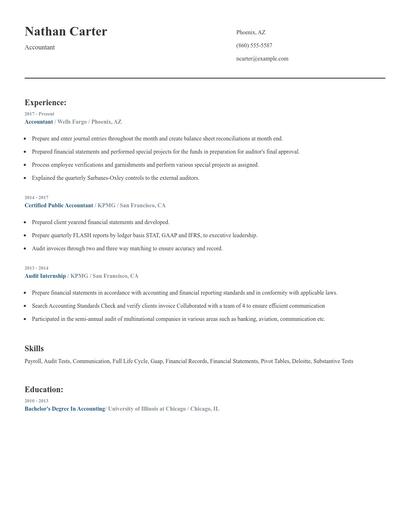
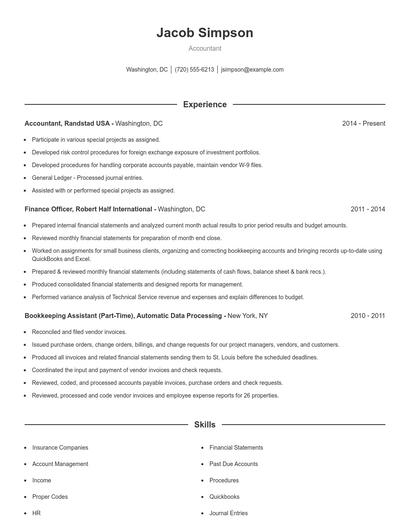
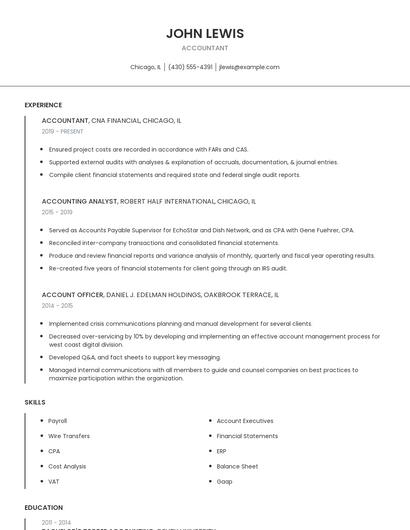
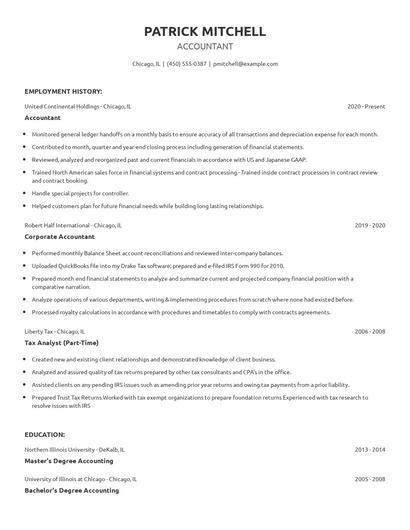
Choose from 10+ customizable resume templates
Zippia allows you to choose from different easy-to-use templates, and provides you with expert advice. Using the templates, you can rest assured that the structure and format of your resume is top notch. Choose a template with the colors, fonts & text sizes that are appropriate for your industry.