Explore jobs
Find specific jobs
Explore careers
Explore professions
Best companies
Explore companies
This question is about problem statement.
What are the five W's and how do they relate to problem statements?
The five W's refer to the different question words: who, what, when, where, and why. Well-written problem statements address each of these questions and explain where the solution goes from there. Here's how you can incorporate each of these into a problem statement.
Who. The who in a problem statement can refer both to the people who have a stake in the problem, as well as the people who are most qualified to work on the solution. Who can also refer to the people that the problem statement is aimed at.
What. This is where you address what the current problem is. You need to answer what the problem is, what its effects are, and what you need to do to fix it.
Where. The answer to this can be physical -- what building, for instance. Or it can be more abstract, in terms of what department or where the problem will have the greatest effect.
When. Creating a timeline is an important aspect of a problem statement. This is both in terms of when the problem will become an impediment (if it hasn't already) and when you need to start working on your solutions.
Why. The why section is where you explain yourself. Why are you writing up a problem statement, why does it require a solution, and why is implementing this solution better and more effective?

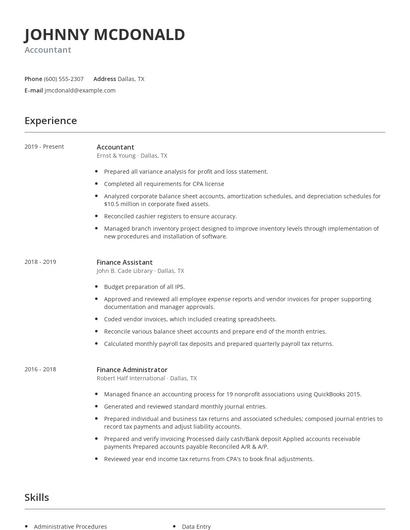
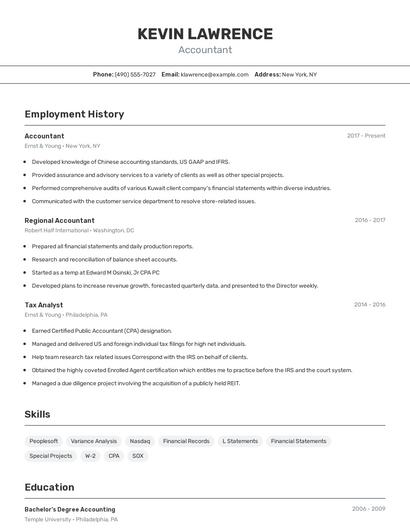
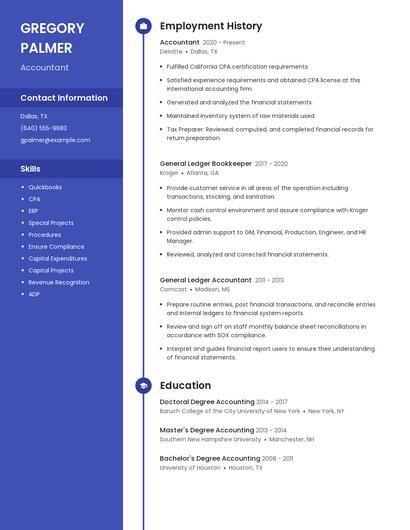
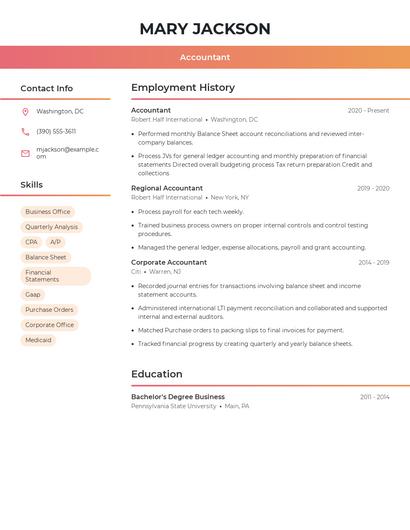
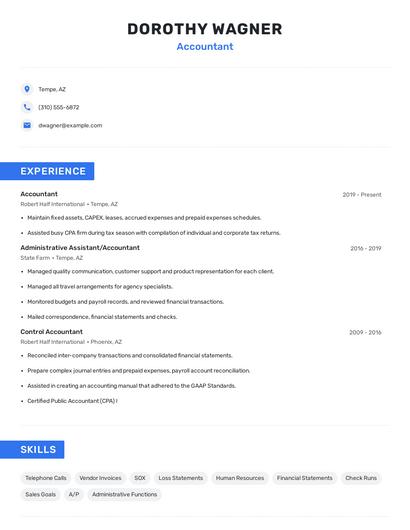
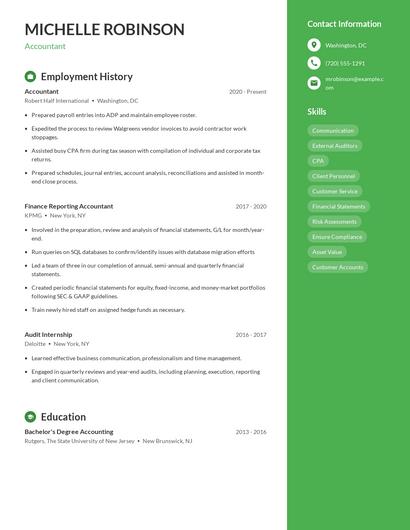
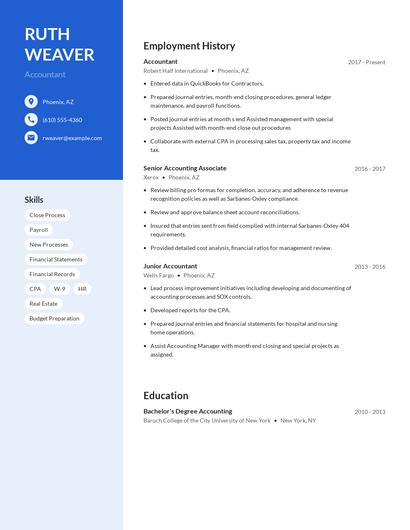
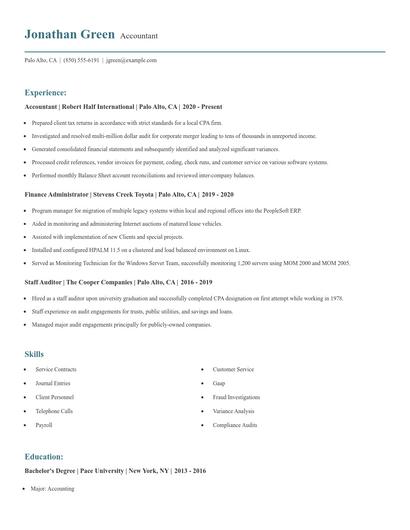
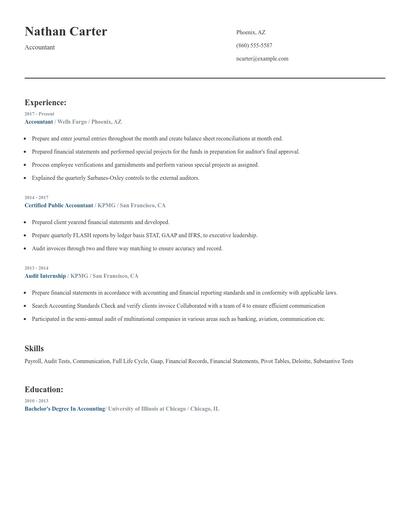
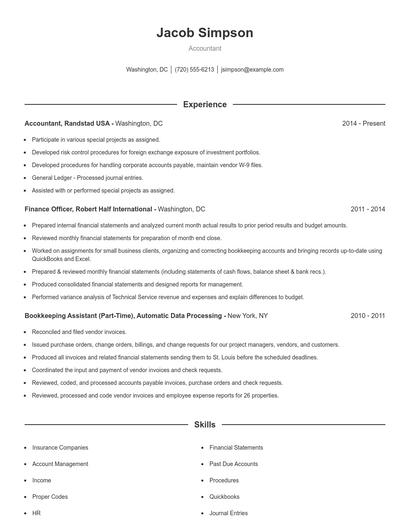
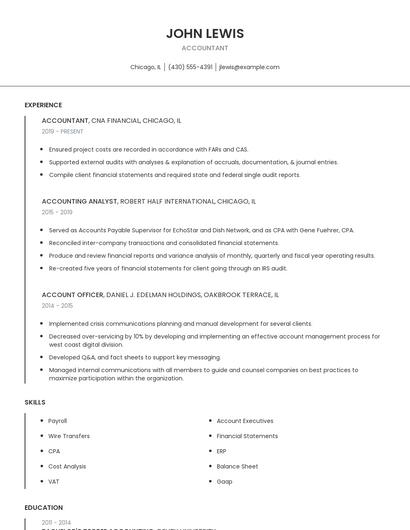
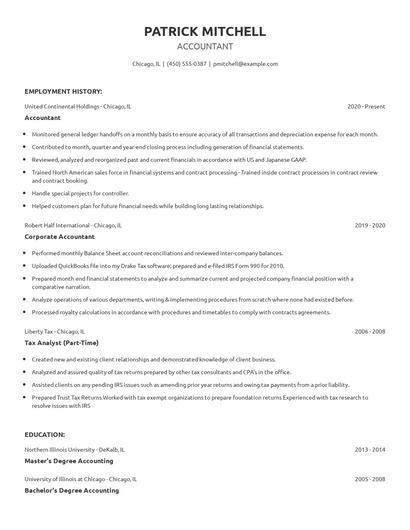
Choose from 10+ customizable resume templates
Zippia allows you to choose from different easy-to-use templates, and provides you with expert advice. Using the templates, you can rest assured that the structure and format of your resume is top notch. Choose a template with the colors, fonts & text sizes that are appropriate for your industry.