Explore jobs
Find specific jobs
Explore careers
Explore professions
Best companies
Explore companies
This question is about what an engineer does.
What are the qualifications for engineering?
The qualifications for engineering are a degree in engineering, engineering skills, and engineer training or experience.
There are so many different kinds of engineering, and qualifications vary depending on the field of engineering, the industry the engineer works in, and the specific engineering job title.
Here is a breakdown of possible qualification requirements for engineering positions:
Education
Engineers who want to work with the public must complete an engineering program that is accredited by the Accreditation Board of Engineering Technology (ABET) and meet state requirements for licensure.
Most engineers have a bachelor's degree in a specific discipline of engineering. Here are some examples of different kinds of engineering:
Civil engineering
Structural engineering
Electrical engineering
Aerospace engineering
Agricultural engineering
Biomedical engineering
Chemical engineering
Computer engineering
Industrial engineering
Material engineering
Nuclear engineering
Mechanical engineering
Depending on the engineering position, engineers may also need a master's degree in one of these areas.
The only engineers that can practice engineering without a degree are those involved in computers, such as software engineers. Many do have bachelor's or master's degrees in software engineering; however, some opt to get their engineering education and training through other means, such as online courses and software engineering boot camps.
These boot camps cost anywhere between $10,000 to $20,000 on average and only take a matter of weeks to complete. After completion, your job prospects are generally the same as someone who has obtained a degree in software engineering.
Modern companies are finding it hard to fill software engineering positions because the amount of open software engineering roles is more than the amount of software engineering degree holders. Because of this, many companies do not care if you have a degree, only that you possess the necessary qualifications for the position.
Another bonus of boot camps is that they often provide more practical, up-to-date real-world training and experience than universities.
State Licensure
Many entry-level engineering roles do not require state licensure. However, gaining licensure is sure to open engineers up to more positions, particularly senior roles, like ones in leadership and management.
The state licensure exam comes in two separate tests. After passing the first test, engineers must gain some experience through an internship position or supervised training before they can attempt to pass the second test.
Engineering skills by discipline
The qualifications in terms of engineering skills vary from discipline to discipline. However, most engineers conceive, develop, design, test, or build materials, equipment, or systems.
Here are some different kinds of engineers:
A software engineer designs, develops, maintains, tests, and evaluates computer software and other software products. Their tasks include implementing technical designs, improving and maintaining the existing code base, reviewing code changes, writing new codes for applications, identifying issues with the software, and coordinating the installation of the software for clients.
A civil engineer designs and performs maintenance on public infrastructures such as public and private buildings, airports, water systems, and roads. They assess the feasibility of a given project by evaluating design practicality and collaborating with structural engineers.
They also may review government regulations regarding a certain project or site and ensure project sites meet specific codes and law requirements.
An architectural engineer deploys science and math principles to create specific engineering elements of a building. They take part in developing engineering plans for a construction project and making sure these plans comply with safety laws and regulations.
Architectural engineers perform many other tasks, including studying blueprints and then creating plans of their own, finding and fixing engineering mistakes, and testing engineering systems post-construction.
Electrical engineers design and develop electrical systems and equipment. They generate ideas for electrical devices and mechanisms by creating blueprints, developing prototypes, performing product testing, and overseeing an electrical item's manufacturing.
A machine learning engineer is a tech professional that writes low-level code to tweak and optimize default implementations. They are also proficient in high-efficiency programming languages such as C++, Java, and Scala.
Machine learning engineers are mainly focused on taking models and helping scale them out into production while ensuring adherence to business service level agreements.
A structural engineer designs and inspects many different types of structures, including buildings, dams, tunnels, and bridges. Their job is a branch of civil engineering, so it contains a heavy emphasis on the inspection and safety of structures.
A data engineer aims to make raw data used for other colleagues, such as business analysts, so they may implement the information into company decisions. Data engineers have duties like gathering data sets that line up with business goals and needs, creating algorithms to transform data into valuable information, and creating, testing, and maintaining database architectures.
System engineers deal mostly with the planning, design, design changes, and implementation of a network or system. Their job is to determine problems within specific systems. They provide solutions for issues they find in the process, including designing new systems, upgrading hardware, and maintaining an existing system.
A computer engineer works with physical computer systems and hardware. They may also work in specific areas, such as artificial intelligence, security, machine learning, and graphics design. Computer engineers build computers such as PCs, workstations, and supercomputers.
They also build computer-based systems such as those found in cars, planes, appliances, electronics, phones, communication networks, and other products.
A mechanical engineer is someone who deals with the moving parts of a machine or system. Mechanical engineers use physics and math principles to create, modify, or maintain mechanical machines or systems. They also take part in the designing and testing of mechanical machines or systems.
They work in many different areas and industries, including internal combustion engines, airplanes, aerospace, ships, robotics, as well as many others.

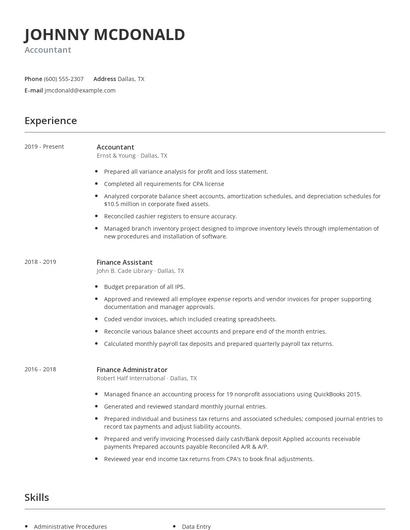
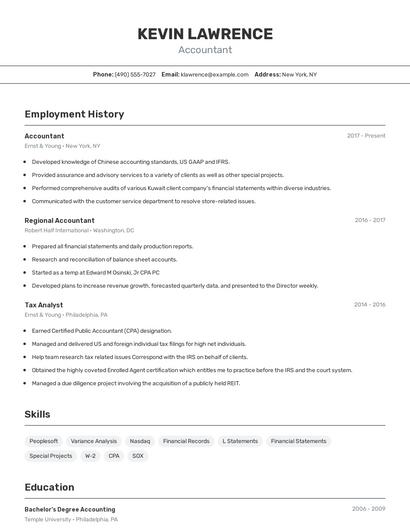
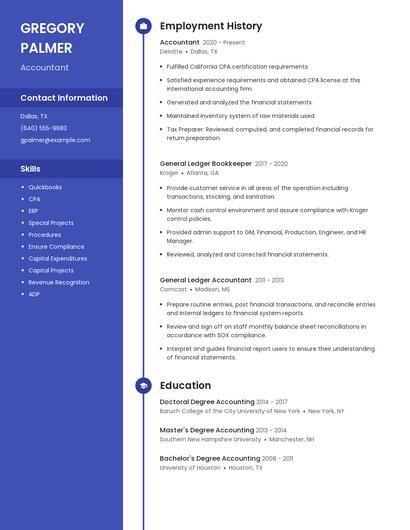
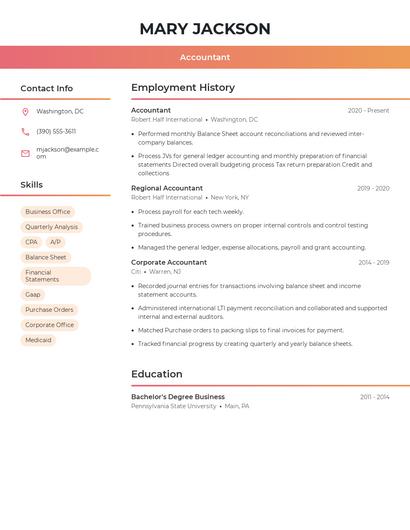
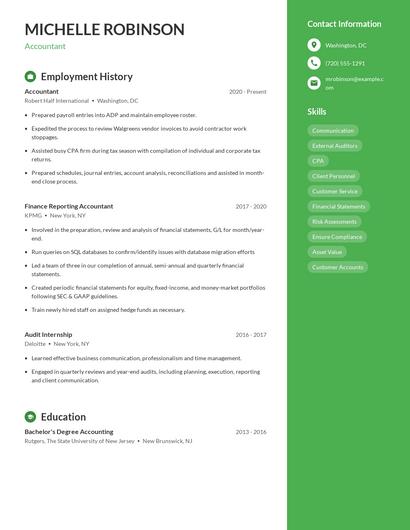
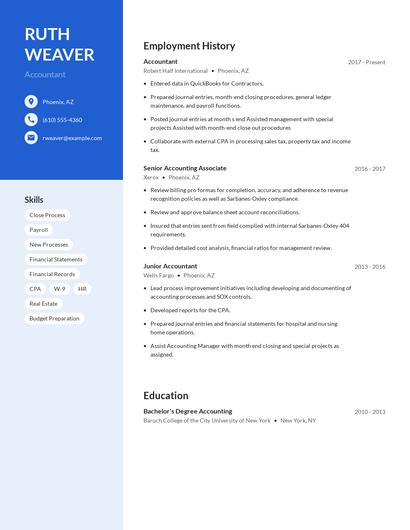
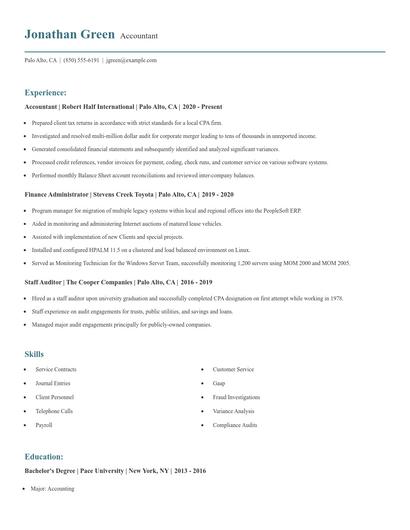
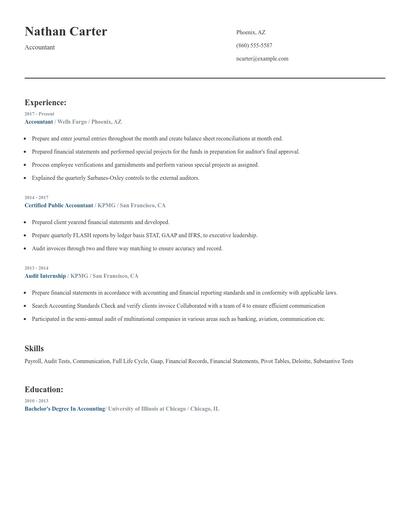
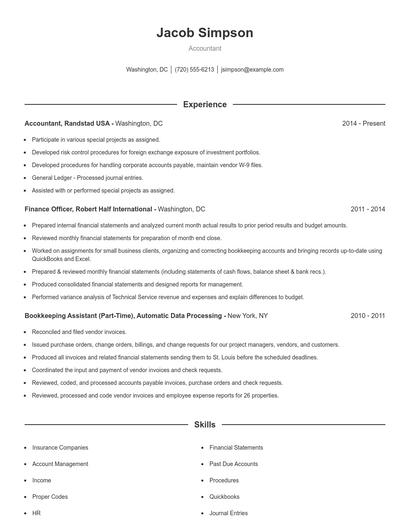
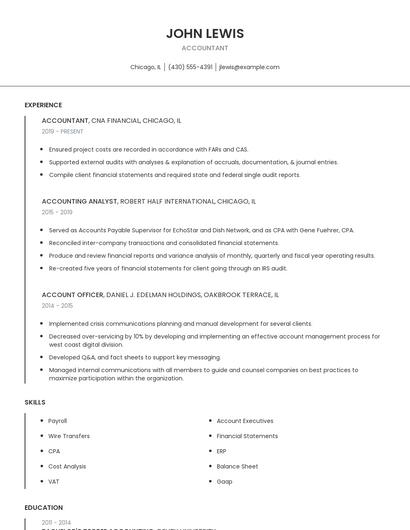
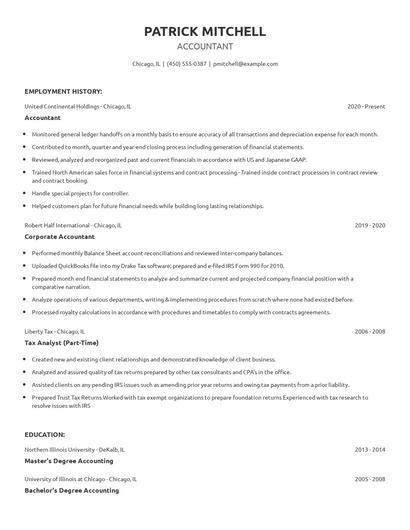
Choose from 10+ customizable resume templates
Zippia allows you to choose from different easy-to-use templates, and provides you with expert advice. Using the templates, you can rest assured that the structure and format of your resume is top notch. Choose a template with the colors, fonts & text sizes that are appropriate for your industry.