Explore jobs
Find specific jobs
Explore careers
Explore professions
Best companies
Explore companies
This question is about principal certifications.
What are the qualifications of a principal?
The qualifications of a principal are advanced education, professional experience, and specific skill sets. Here are some details on the qualifications of a principal:
Education
You need a master's degree in education to be a principal. Master's degrees in educational administration and educational leadership are also acceptable.
Certain schools also seek principals that have an even higher degree in education administration, such as one with an education specialist (EdS) degree, a doctor of education degree (EdD), or a Ph.D. in education. Typically, principals must also have previous experience in classrooms and school administration to get the job.
Professional experience
Most principal positions require teaching experience. After you obtain your bachelor's in education, you need to get some professional experience as a teacher for at least four to five years.
This gives the proper exposure to student populations, their needs, challenges, and other issues they face. Some choose to do this in conjunction with their master's degree, while others get the teaching experience first and then pursue their master's degree in education or education administration.
Other options for professional experience include school administrative roles, though teaching experience should still be sought at some point. Vice principal positions are perfect prerequisite roles for a principal job.
Those who go right for their master's degrees and then doctoral degrees in education may not need to gain teaching experience for certain principal positions.
You might need additional licensing to become an administrator. This depends on each individual educational institution and the state in which it resides. Certifications may be obtained through testing designed to exhibit your understanding of budgeting, as well as local laws and educational regulations.
Skills
Principals utilize a wide variety of skills in their field. Here we will go over some of the most common and important skills that are qualifications for a principal:
Communication skills are perhaps one of the most important skills for a principal to possess. Since they are advising young students, they need to be able to communicate clearly and effectively. They need to be active listeners in order to help students overcome any number of challenges.
Principals also must communicate with teachers, administrators, school board officials, parents, and many other key figures in the world of education. They also need to be skilled in public speaking to deliver presentations in front of the entire school or at educational conferences or community meetings.
Communicating in a confident manner is also essential. A principal is a leadership and authoritative figure in the school environment. Students must trust and respect them. This also helps students to take their directions or advice seriously.
Teachers and students also will look to their principal for guidance and motivation.
Problem-solving skills come into play often in a principal's work. They need to take care of all the organizational aspects of running a school. Budget is also a key concern, and many times, issues and setbacks can arise in these areas.
Sometimes principals must also develop specific educational plans, in conjunction with teachers or other faculty members, for individual students or groups of students. These students will differ in terms of education, aptitude, preference, and in so many other ways.
They need to consider each student's learning ability, personal issues, and learning level to adequately come up with plans that will not only be good for the student but will also appeal to them. Problem-solving skills assist principals in coming up with effective solutions for unique challenges students face during their educational careers.
Emotional intelligence skills are also extremely important. Principals need to understand and empathize with each student's own unique difficulties and academic challenges. They must create comfortable environments where students are encouraged to express their true feelings and concerns.
Conflict management skills are also critical for principles. There can be conflicts between many different parties at their school. Such as conflicts between students, between teachers or other faculty members, and between faculty members and students.
Principals must be able to effectively and quickly resolve conflicts to keep their school as a healthy and productive educational environment.
Interpersonal skills are utilized by principals when working with students or other educational professionals. They need to be able to communicate effectively with teachers to make sure individual students' educational needs are met and also to make sure that each student is receiving the proper attention that is needed.
They also need these skills when working with other high-level education officials or high-ranking members of their communities.
Interpersonal skills also work to build strong connections with students, establishing trust and enabling them to give the best possible advice to each individual student.
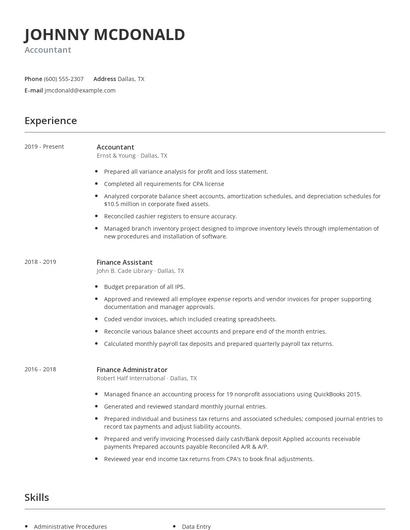
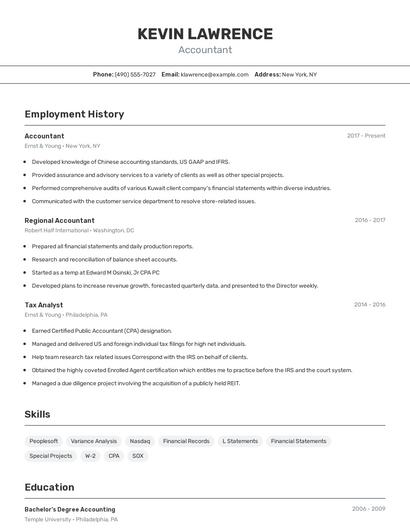
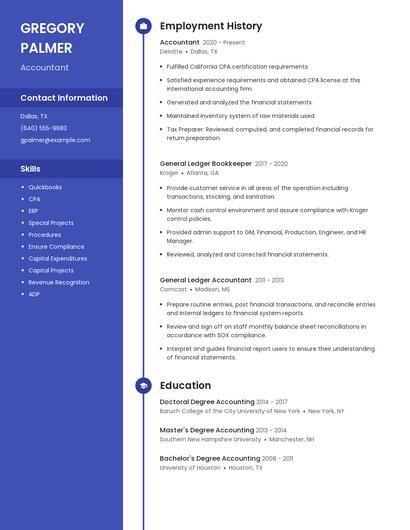
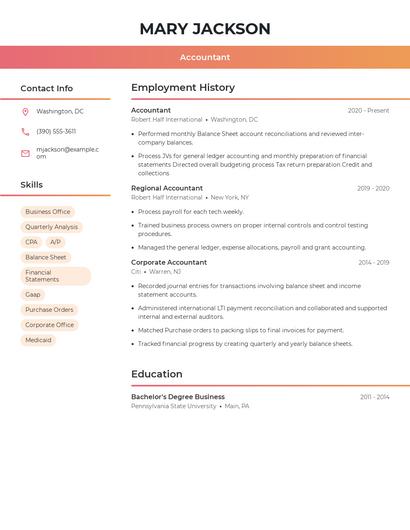
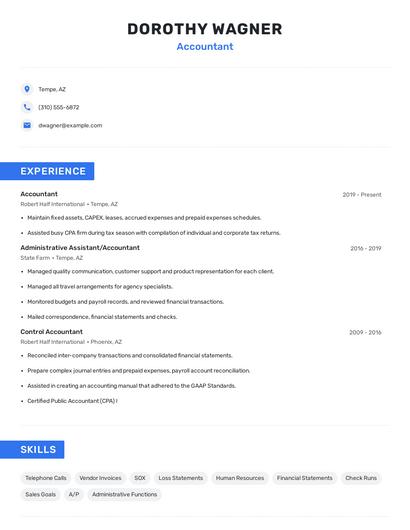
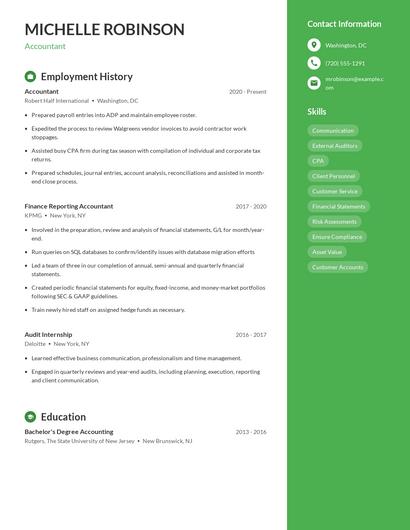
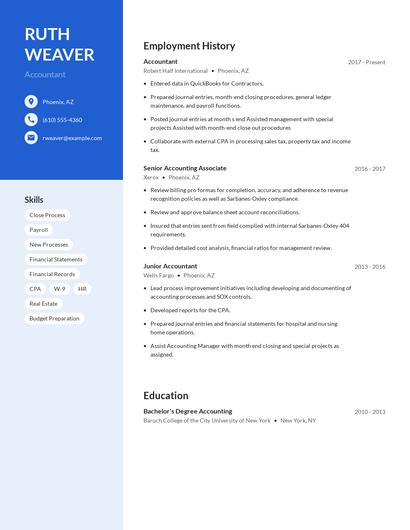
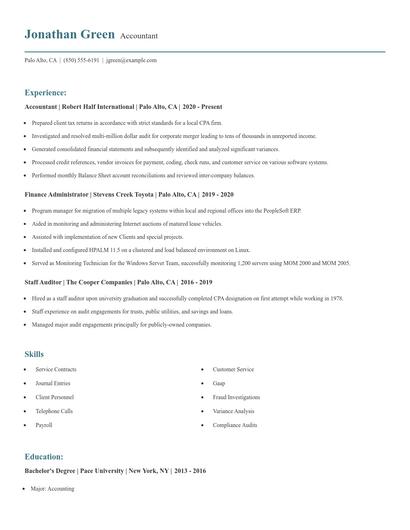
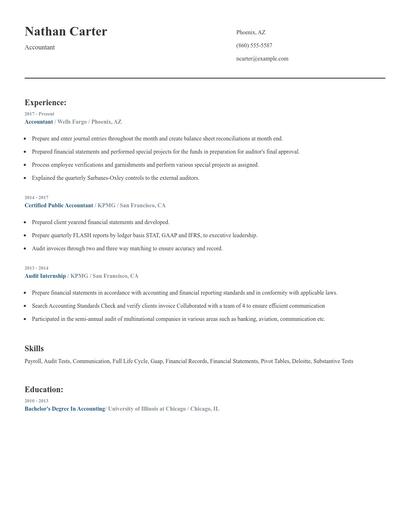
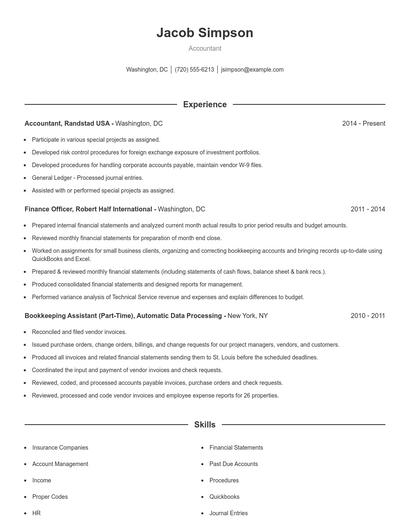
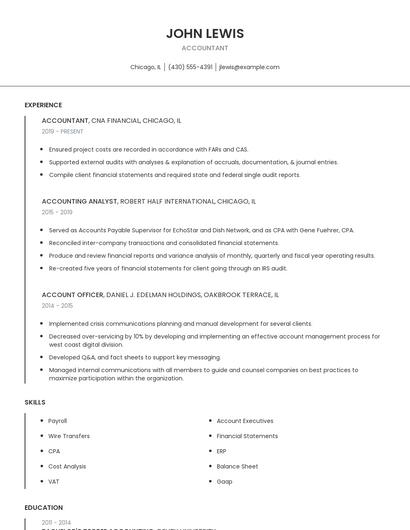
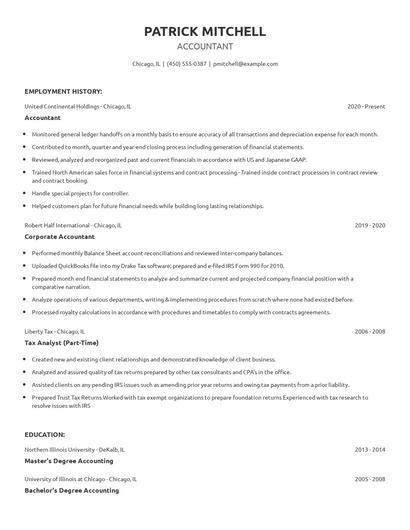
Choose from 10+ customizable resume templates
Zippia allows you to choose from different easy-to-use templates, and provides you with expert advice. Using the templates, you can rest assured that the structure and format of your resume is top notch. Choose a template with the colors, fonts & text sizes that are appropriate for your industry.