Explore jobs
Find specific jobs
Explore careers
Explore professions
Best companies
Explore companies
This question is about what a school psychologist does.
What degree do you need to be a school psychologist?
You need an Education Specialist graduate or a master's degree in school psychology to be a school psychologist. Most states also require a school psychologist to have a state license, and each state has its own individual requirements for the license. Some states require that the applicant possess a doctoral degree in psychology (Psy. D., Ed. D., or Ph. D.).
Each state sets its own requirements for how to become a school psychologist. Most expect candidates for school psychology jobs to hold a master's degree or an Ed.S. degree, along with state certification or licensure.
Many schools require or strongly prefer applicants with certification, such as national certified school psychologist (NCSP) from the National Association of School Psychologists (NASP).
School psychologists often complete a bachelor's degree in psychology, education, or a related field and a master's in school psychology or educational, psychological development. Most spend about three years earning an Ed.S., completing two years of study and a one-year internship.
Master's students complete practicums; Ed.S. programs require 1,200 internship hours. At least 600 of these hours must take place in a school setting, although this was reduced to 400 hours during the pandemic. In some years, there are more applicants than available internships, making it a good idea to create a backup plan in case you do not receive a placement.
Most states require two years of supervision before candidates can practice independently. Working under a school psychologist, interns complete at least half of their contact hours in a school setting. If you pursue a doctorate in psychology, then it typically takes four or more years.
Both Ed.S. and doctoral psychology programs include an internship, and master's students must complete clinical hours.
While state licensing boards do not require NCSP certification, they may consider it equivalent to state licensure, making the certification even more valuable for those pursuing school psychology careers.
Candidates in some states may need to pass the Praxis examination, which is part of the NCSP certification process, although the state may not legally require the certification itself.
Licensed school psychologists must complete 20 to 30 hours of continuing education in child psychology or education each year. You can earn these hours by attending selected psychology classes, conferences, or webinars.
You can also pass a test on selected readings. The same credit hours may apply to NCSP certification and ongoing state licensing requirements.
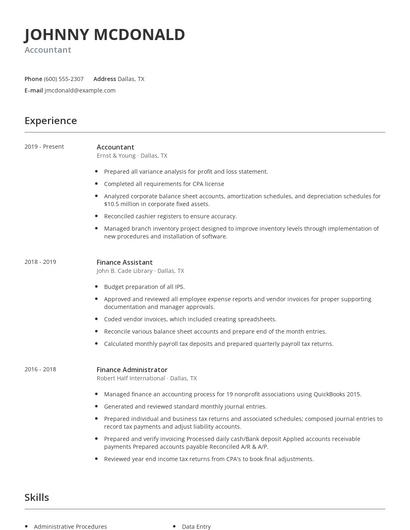
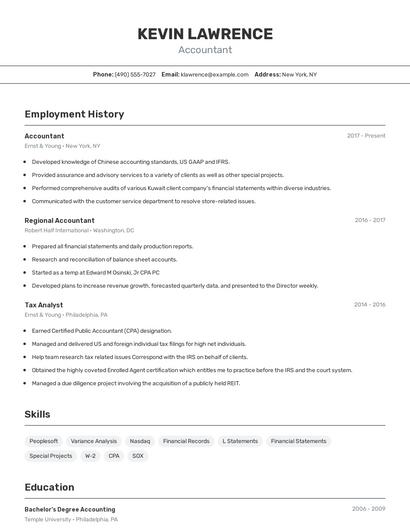
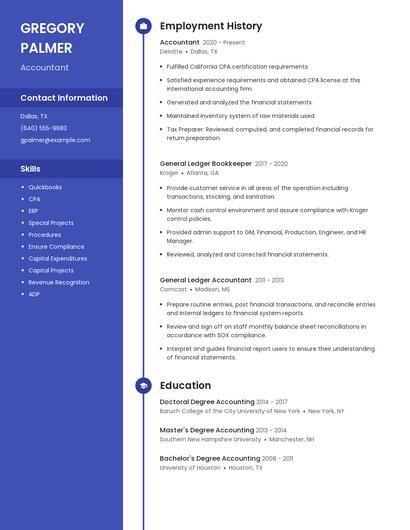
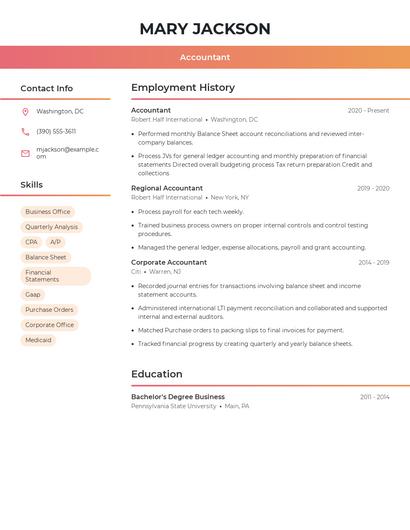
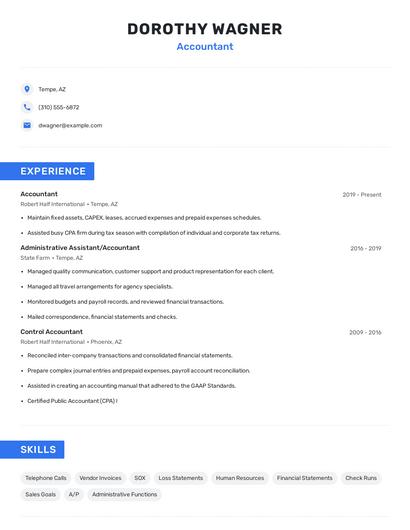
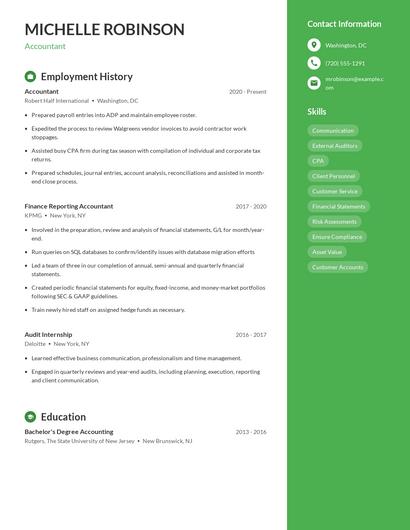
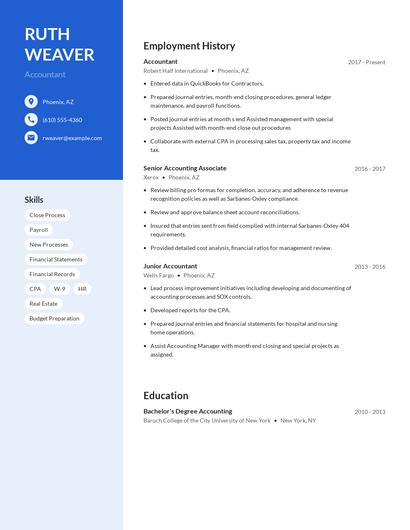
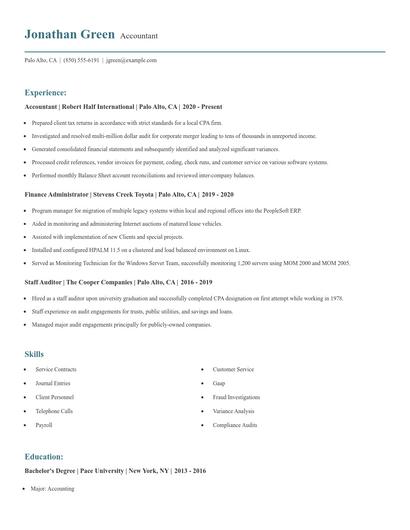
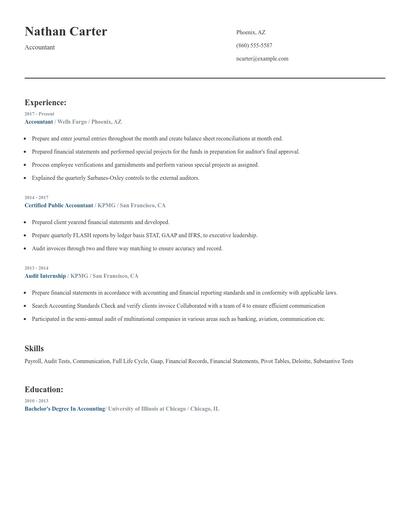
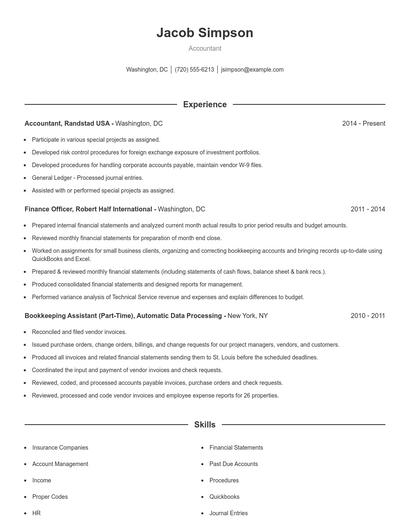
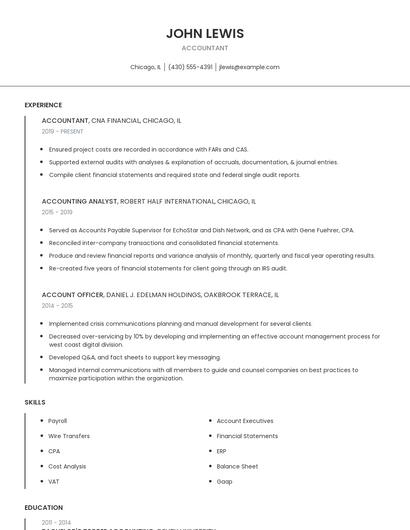
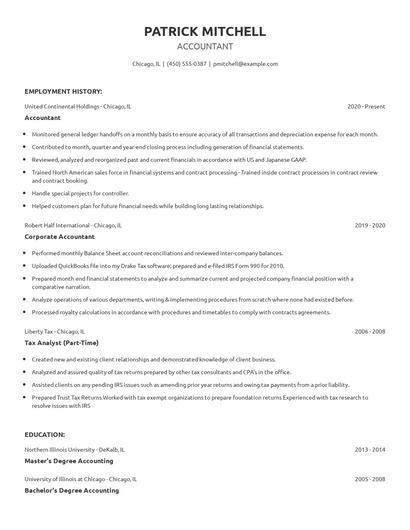
Choose from 10+ customizable resume templates
Zippia allows you to choose from different easy-to-use templates, and provides you with expert advice. Using the templates, you can rest assured that the structure and format of your resume is top notch. Choose a template with the colors, fonts & text sizes that are appropriate for your industry.