Explore jobs
Find specific jobs
Explore careers
Explore professions
Best companies
Explore companies
This question is about lawyer.
What disqualifies you from being a lawyer?
A felony conviction can disqualify you from being a lawyer. A few scenarios are possible if a lawyer commits a crime after being licensed, but it will typically result in a suspension. The suspension will last until a final decision is made about whether or not the suspension should continue.
When an acting lawyer is convicted of a felony charge, they are automatically disbarred, but they can regain their license after a set period (usually five years). Being disbarred means the loss of their license and the lawyer being banned from practicing law.
Some states have ruled that the crime must be of "moral turpitude" or involve deception or unethical conduct for the lawyer to be disbarred. Some crimes that would fit under this description include:
Extortion
Fraud
Misrepresentation
Bribery
Theft
Ultimately, the severity of the consequences to the lawyer is directly related to the act committed and the jurisdiction where the lawyer is licensed.
If a person committed a crime before they began practicing law and the offense does not fall into the moral turpitude category, they could still pursue becoming a lawyer. Keep in mind it will be a difficult road compared to someone with no criminal history.
Before being able to practice as a lawyer, you will first have to take the bar exam. The requirements to sit for the exam will vary from state to state, but most states will allow applicants to sit for the exam even if they have had a criminal conviction. However, applicants must also pass an exam of moral character.
The American Bar Association (ABA) wants to know that the individual seeking to practice as a lawyer can uphold a moral code. To that end, even if you have a criminal history, they want to know that you have learned a lesson and that you can be honest about the good, the bad, and the ugly.
The examination of moral character typically takes about six months to complete. You must be honest in your paperwork because any red flags that arise or anything that is found out that was not disclosed will result in your application being denied.
The ABA may (or may not) deny you based on past crimes; however, you will 100% be denied if they determine that you were deceptive or dishonest during the application process rather than being forthcoming about your past mistakes. Honesty is the key to moving your career forward.
After applying for the moral character examination, if any concerns catch the ABA's attention, you will receive a letter saying that further analysis is needed. They will usually request more information and a time frame for it to be submitted. If unsatisfied with your information, they will ask for an in-person meeting.
This meeting is audio recorded and treated as an actual hearing. After the meeting, the committee will inform you if you have received clearance or have failed to prove that you are of fit moral character. Often if the bar exam has already been completed and passed, this approval is usually the last step in getting sworn in!
However, if a denial is received, you will receive a letter with the option to appeal the denial. An appeal is expensive and could take another nine months or longer. Not to mention, there is no guarantee that it will all be worth it in the end.

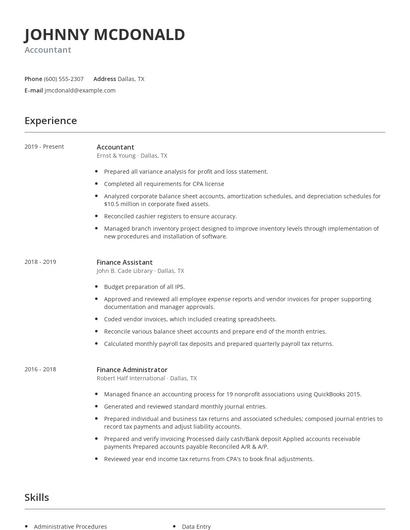
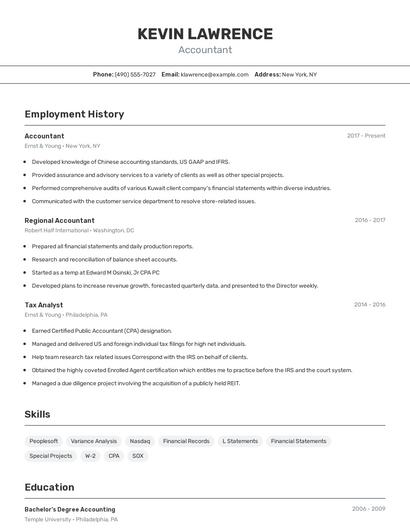
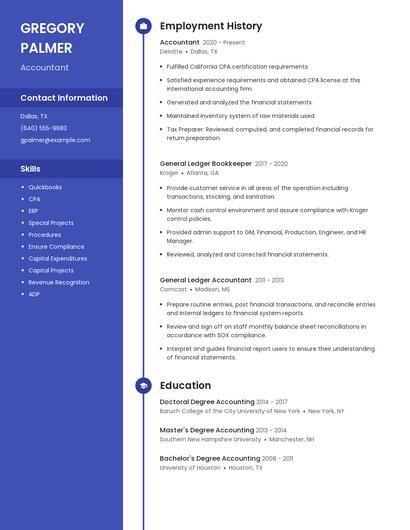
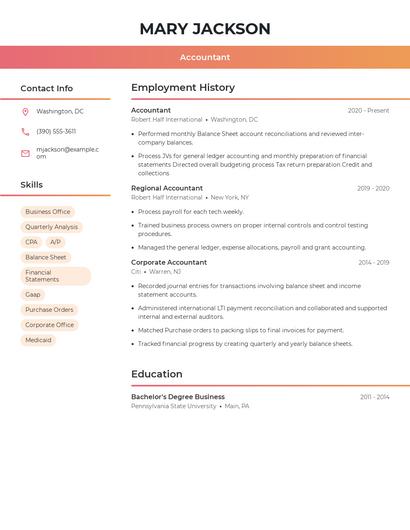
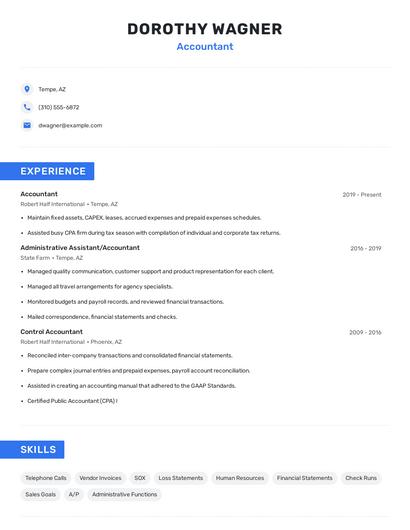
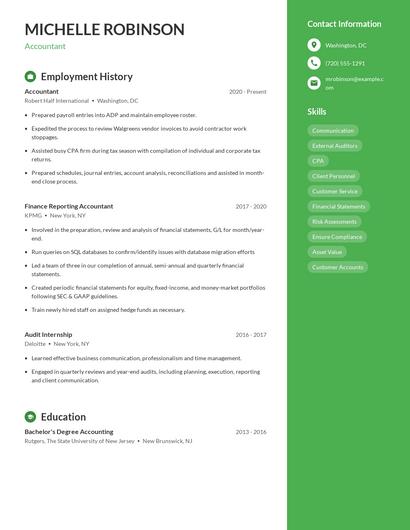
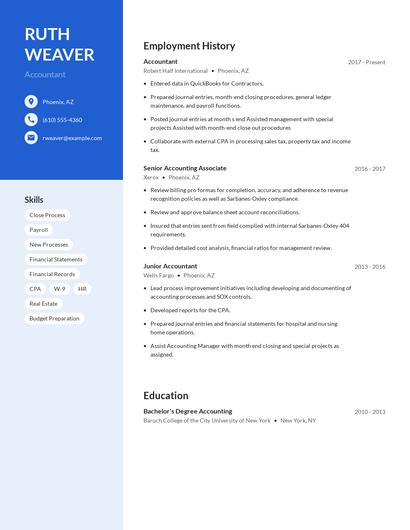
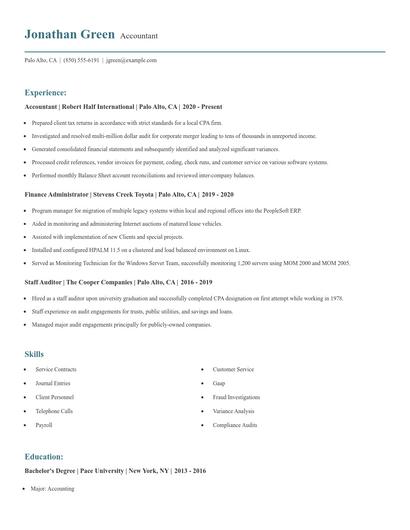
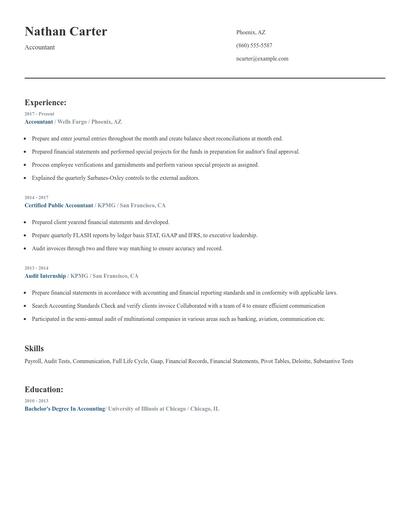
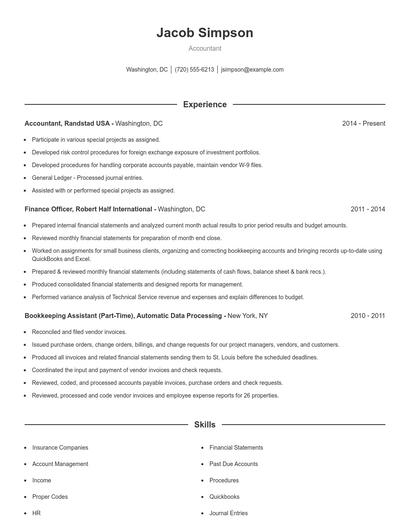
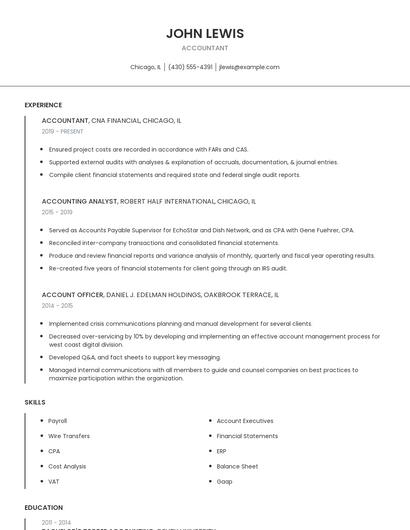
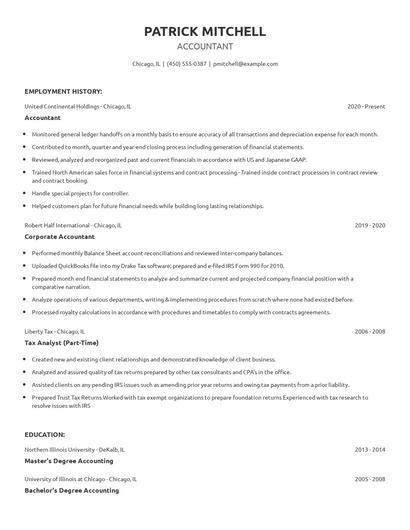
Choose from 10+ customizable resume templates
Zippia allows you to choose from different easy-to-use templates, and provides you with expert advice. Using the templates, you can rest assured that the structure and format of your resume is top notch. Choose a template with the colors, fonts & text sizes that are appropriate for your industry.