Explore jobs
Find specific jobs
Explore careers
Explore professions
Best companies
Explore companies
This question is about what a solutions analyst does and solutions analyst.
What is a solution analyst?
A solution analyst is someone responsible for understanding business needs and collaborating with other technology stakeholders to deliver high-quality, technology-based business solutions.
In this sense, a solutions analyst is a combination of both business and systems analysis. A solutions analyst has four primary responsibilities: define scope, isolate key issues, evaluate solutions, and present insights & recommendations.
Examples of the main responsibilities of a solution analyst:
Provides technical/functional assistance in identifying, evaluating, and developing systems and procedures that are cost-effective and meet user requirements
Understand, capture and communicate business direction, challenges and requirements, and initiative solution discussion
Plan and execute tasks/initiatives
Evaluate and propose solution approaches to IT solution implementation and conduct periodic implementation reviews
Ensure that all solutions adhere to the industry IT standard and practices
Test all solution aspects including, but not limited to acceptance, security, performance, integration
Deliver business solutions that include technology implementations and adaptations
Maintain current applications, including but not limited to bug fixes, feature enhancements, and performance tuning
Work closely with solution architects to ensure decisions meet long-term growth goals

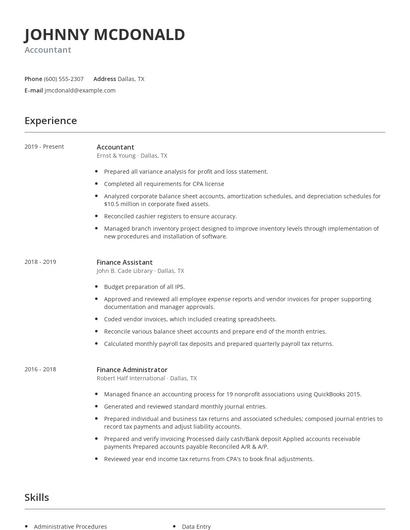
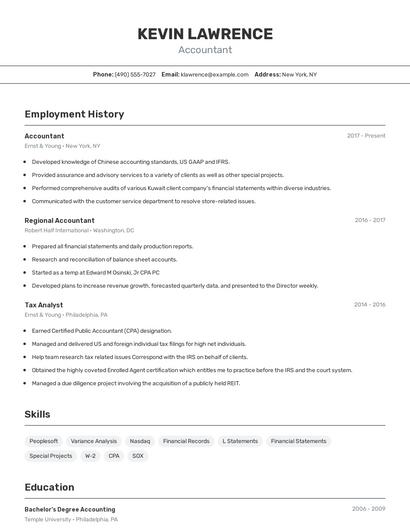
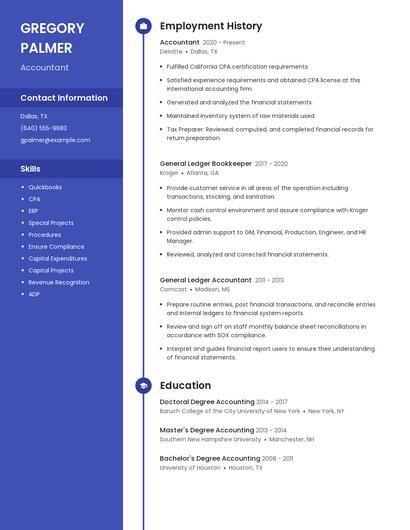
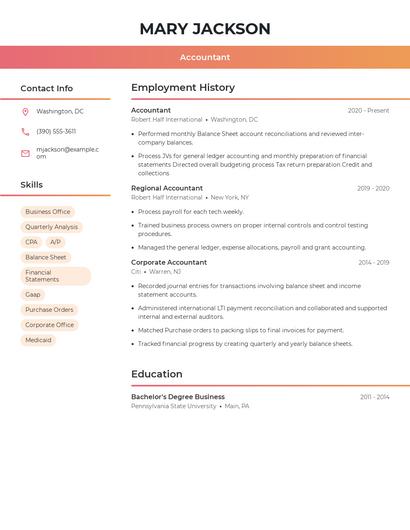
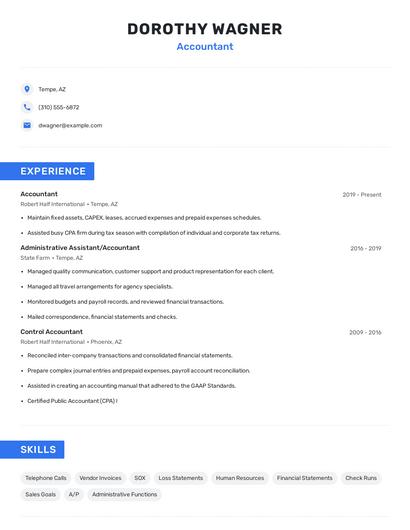
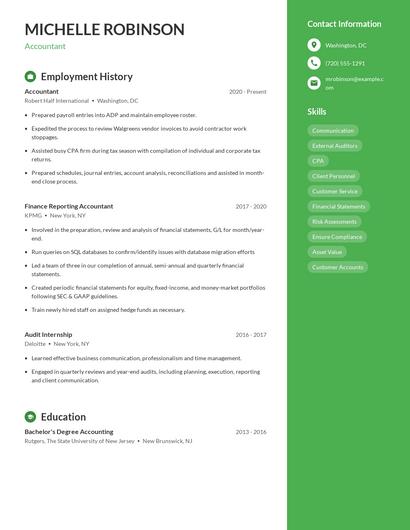
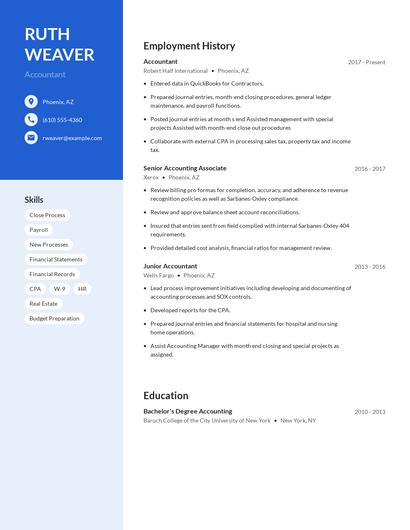
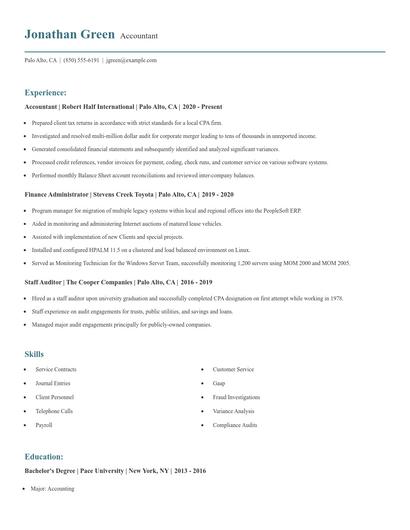
Choose from 10+ customizable resume templates
Zippia allows you to choose from different easy-to-use templates, and provides you with expert advice. Using the templates, you can rest assured that the structure and format of your resume is top notch. Choose a template with the colors, fonts & text sizes that are appropriate for your industry.