Explore jobs
Find specific jobs
Explore careers
Explore professions
Best companies
Explore companies
This question is about hvac technician certifications.
What is an HVAC certification?
An HVAC (Heating, Ventilation, and Air Conditioning) certification is a certification in the installation and maintenance field that proves that an individual has skills in technologies concerning heating, ventilation, and air conditioning.
This certification is administered by the Environmental Protection Agency (EPA), as well as many other societies and associations.
Here are the organizations that offer HVAC certification:
Environmental Protection Agency (EPA)
North American Technical Excellence (NATE)
ESCO Group
Refrigeration Service Engineers Society (RSES)
Refrigerating Engineers and Technicians Association (RETA)
An HVAC certification is very useful in the HVAC field and related industries. It can provide advanced knowledge of HVAC systems, and open an HVAC technician, or similar role, to a whole host of job opportunities.
Certain HVAC certifications have the benefit of specialized knowledge, giving you more access to niche areas of the HVAC job market. Here are some common specialized areas of HVAC certification:
Heat pumps
Indoor air quality
Preventative maintenance
Green awareness
R410-A refrigerants
Carbon monoxide safety
Hydrocarbon refrigerants
Duct and envelope testing
Solar heating
Becoming HVAC certified can help advance your career if you are an independent contractor or looking for full-time HVAC work at a company. It can qualify you to work on large-scale HVAC projects, and also increases your earning potential.
Formal education is not a requirement to obtain an HVAC certification, although you do need to have either training or professional experience in the field.
Trade schools and community colleges offer HVAC certificates and associate degrees. Another option is to do an HVAC apprenticeship, which is a three to five year program of professional experience and training that you are paid for.
You can also find entry-level HVAC-related jobs and gain professional experience from a few years of work.
Here are some of the best and most common HVAC or HVAC-related certifications:
HVAC Master Specialist
OSHA Safety Certificate
Electrical Technician Certification
Electrical Maintenance Technician Certificate
Air Conditioning Service Certification
Air Conditioning and Heat Pump Professional
Certified Electrical Inspector - Residential (CEI-R)
Heating Professional
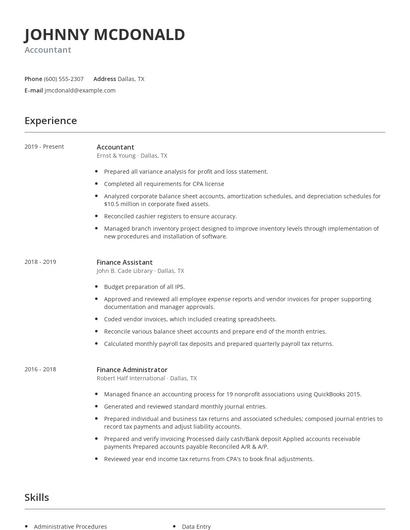
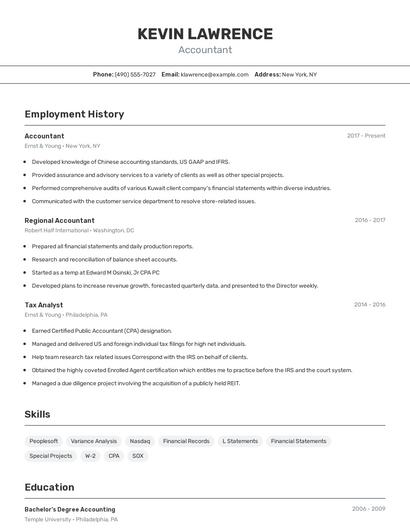
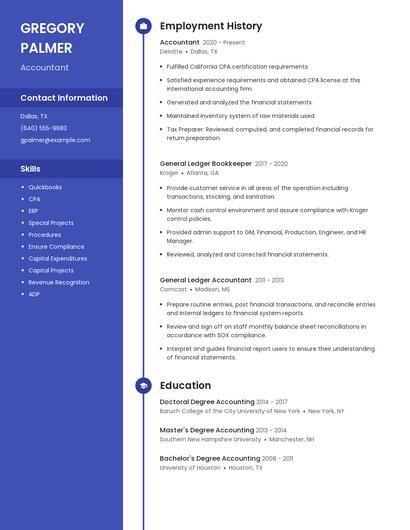
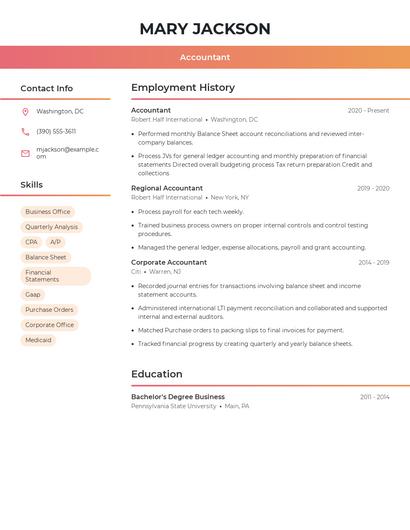
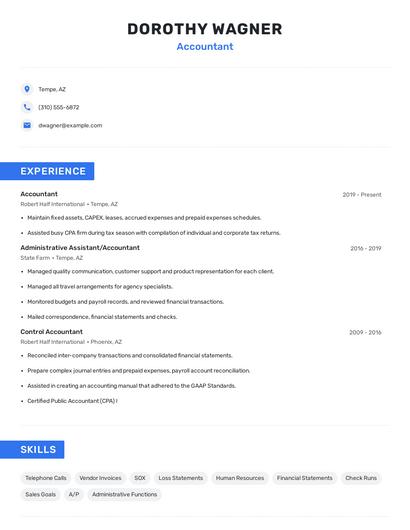
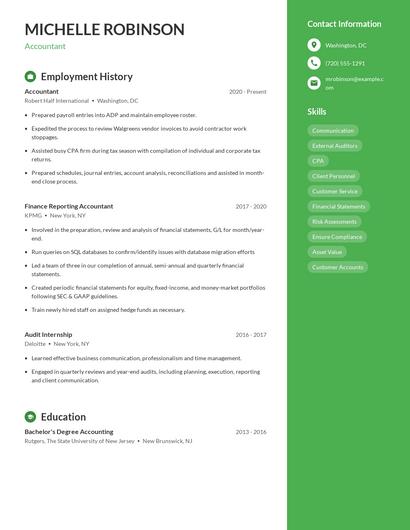
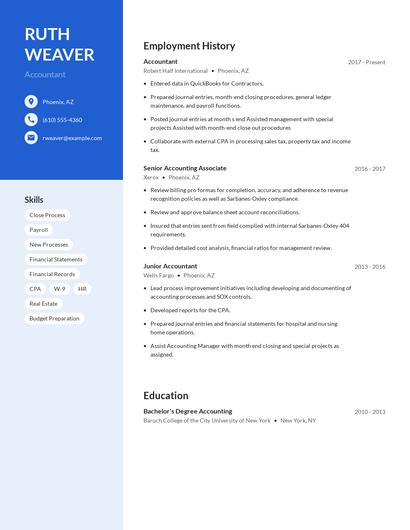
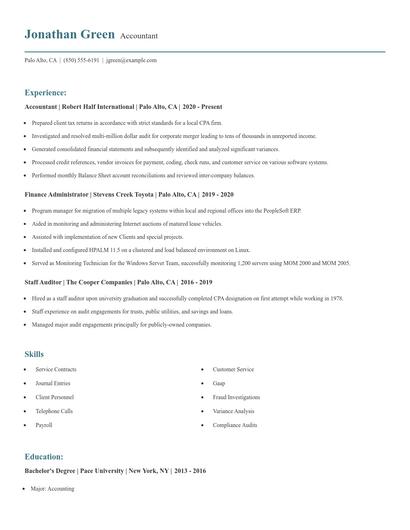
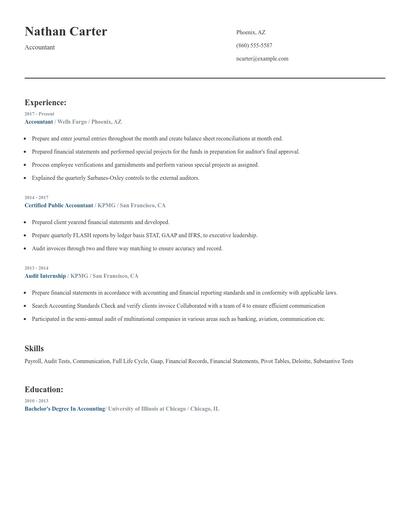
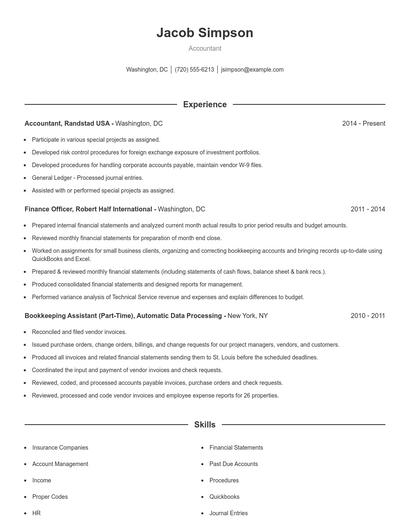
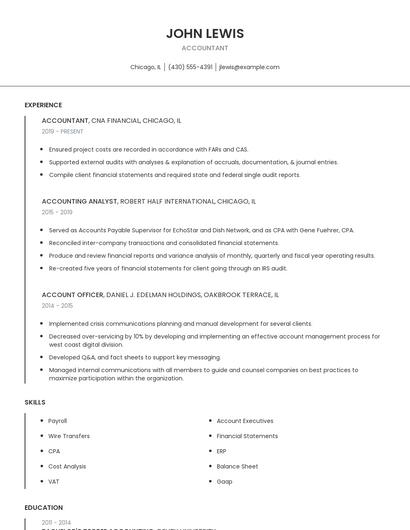
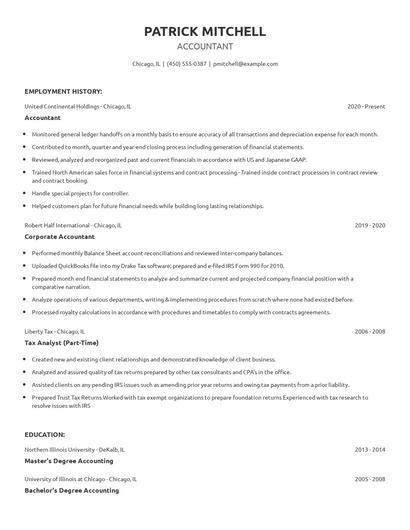
Choose from 10+ customizable resume templates
Zippia allows you to choose from different easy-to-use templates, and provides you with expert advice. Using the templates, you can rest assured that the structure and format of your resume is top notch. Choose a template with the colors, fonts & text sizes that are appropriate for your industry.