Explore jobs
Find specific jobs
Explore careers
Explore professions
Best companies
Explore companies
This question is about network engineer.
What is the career path for a network engineer?
The career path for a network engineer involves jobs as a data architect, design engineer, and network engineer. The career path for a network engineer involves specific education, training, professional experience, certifications, and skills. It also has many on-and-off ramps to a variety of other career paths in the tech field.
Here is a closer look at the career path for a network engineer:
Education
Those on the network engineer career path often need to obtain at least a bachelor's degree for advancement in the field. Here are some common majors for aspiring network engineers:
Computer science
Information technology (IT)
Computer systems engineering
Network security management
Many also choose to pursue master's degrees in these areas to obtain higher-level positions earlier in their careers. The field of network engineering also requires continuing education because this area is in a constant state of innovation and development. New systems and programs are released frequently.
Training
Most network engineers receive on-the-job training in entry-level roles before they can pursue the position of network engineer. This can take anywhere from two to five years to gain the right experience. Many also choose to take independent training courses to stay current with new releases of systems and software applications. Some other training opportunities include:
Online tutorials
Tech-based bootcamps
Workshops
Online courses
Certification programs
Above all, it is important to remain current in this field to advance on the career path.
Certifications
Some employers require or prefer network engineers to be certified in specific areas. This depends on a company's systems that are in place. Certifications also help network engineers to find more job opportunities and also higher-paying work. Here are some common and helpful certifications for network engineers:
Cisco Certified Network Professional (CCNP)
Certified Information Systems Security Professional (CISSP)
Cisco Certified Internetwork Expert (CCIE)
CompTIA Network+
There are many other certifications that are useful for network engineers depending on their company or specific focus.
Essential skills of a network engineer
Communication
Collaboration
Time management
Project management
Problem-solving
Most of these skills are used on a very frequent basis during the career of a network engineer.
Roles and possible advancements on this career path
Many network engineers start off in entry-level positions in IT before moving on to become network engineers. Many also have the opportunity to specialize in specific areas of the field, and this can adjust their career path. Here are some common positions network engineers transition into:
Data Architect
Computer Engineer
Design Engineer
Software Developer
Software Engineer
Systems Engineer

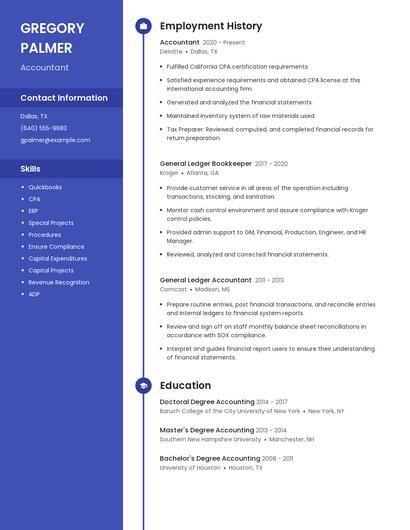
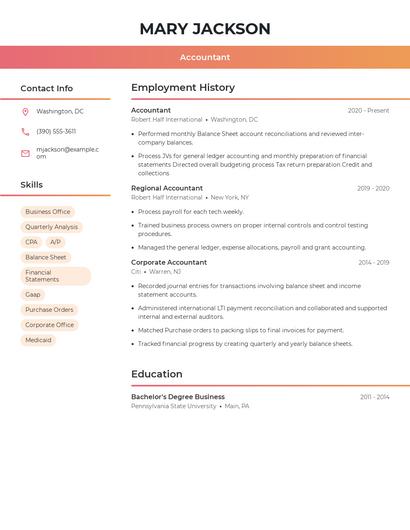
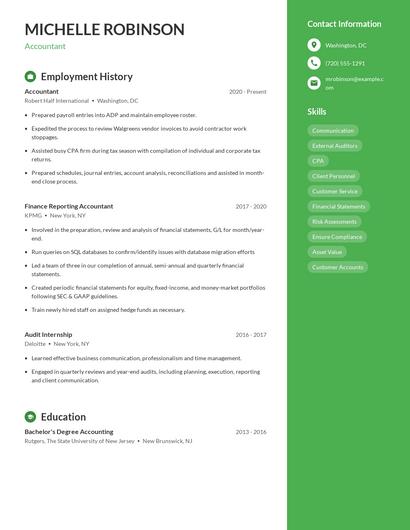
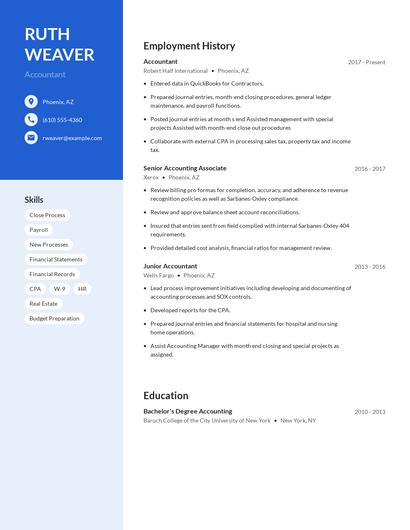
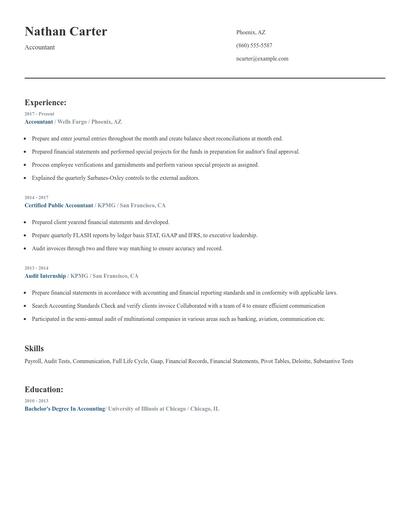
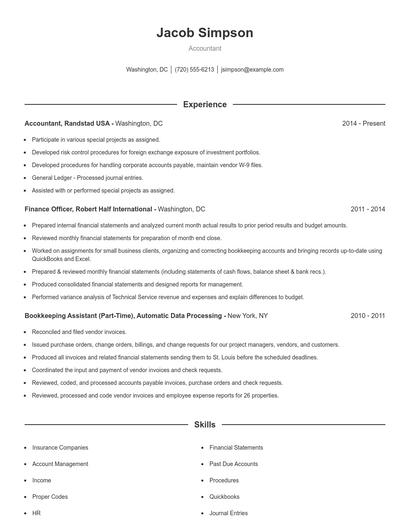
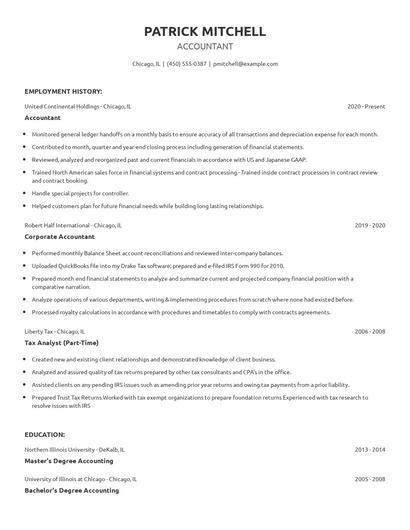
Choose from 10+ customizable resume templates
Zippia allows you to choose from different easy-to-use templates, and provides you with expert advice. Using the templates, you can rest assured that the structure and format of your resume is top notch. Choose a template with the colors, fonts & text sizes that are appropriate for your industry.