Explore jobs
Find specific jobs
Explore careers
Explore professions
Best companies
Explore companies
This question is about what a lawyer does.
What should I study to become a lawyer?
You should study courses that will help with problem-solving, critical reading, and argumentation to become a lawyer. While there are no specific prerequisites for law school, the courses that you take as an undergraduate and the degree that you earn are important.
To that end, the American Bar Association recommends taking courses that will help with the following skills and knowledge:
Problem-solving
Critical reading
Organization management
Oral communication and listening
Writing and editing
Research
Relationship building
Collaboration
Some universities offer pre-law majors and programs, but this is not widely available, and students have been admitted to law school from nearly every academic discipline, according to the American Bar Association. Majoring in the following may be considered the more traditional preparation for law school, but there isn't a single major that is best:
English
Political science
Business
Economics
Philosophy
Similar to your GPA and prerequisites, your Law School Admissions Test (LSAT) score is an important component of your application. The LSAT is designed to test competency areas that are relevant to future legal work, including reading comprehension, analytical and reasoning skills, and argumentation.
The test has 175 questions, and your score is based on the number of questions that you answer correctly. Raw scores are converted to a scale that ranges from 120 to 180. The median LSAT score for admissions is 151.
During the first year of law school, students will focus on fundamental law coursework, including contracts, civil procedure, and criminal law. In the final two years, students will complete elective classes in specialized topics (e.g., tax law, family law, etc.). Clinical internships are also typically available.
Completing an internship during law school can provide students with experience in the field and networking opportunities, which makes it easier to find employment after graduation. A Juris Doctor (JD) degree is sufficient for most areas of law; however, some positions require additional training, education, or requirements, including:
Business law: A business lawyer who has both an MBA and a JD may be more marketable than someone who only has a JD, though an MBA is not a requirement to work in this field
Corporate law: Getting a lucrative job at one of the world's most prestigious and largest law firms is difficult without a JD degree from a top law school. Students at lower-ranked law schools ordinarily need to place near the top of their law school class in order to be considered
Family law: A background in counseling or social work can be helpful for family lawyers. Some people combine a JD with a Master of Social Work credential
Federal judicial clerkships: Achieving stellar grades in law school is usually necessary to become a clerk in federal court. In addition, demonstrating exemplary legal writing ability is mandatory
Health law: Aspiring health lawyers often need a combined degree in public health
Medical malpractice: Having either a medical degree or a biology degree is helpful for lawyers who litigate malpractice cases, though it is not mandatory.
Patent law: Patent attorneys must possess a bachelor's or master's degree in a technical academic discipline such as engineering or a certain amount of scientific, engineering, or technical training. They must also pass the patent bar exam administered by the U.S. Patent and Trademark Office
Tax law: Tax attorney jobs sometimes require a master of laws or LLM degree in tax, in addition to a JD degree

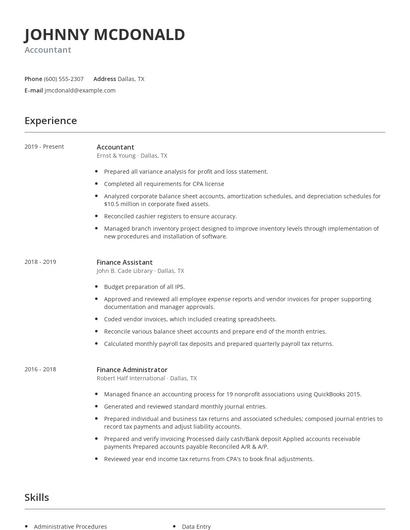
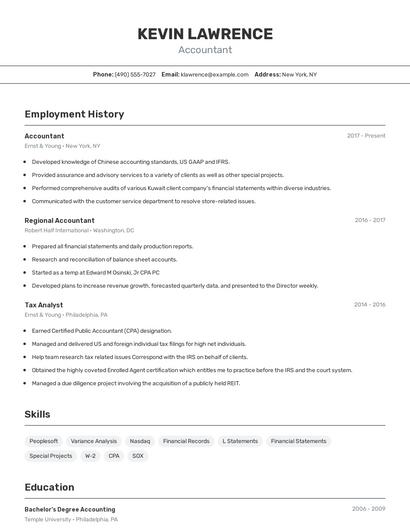
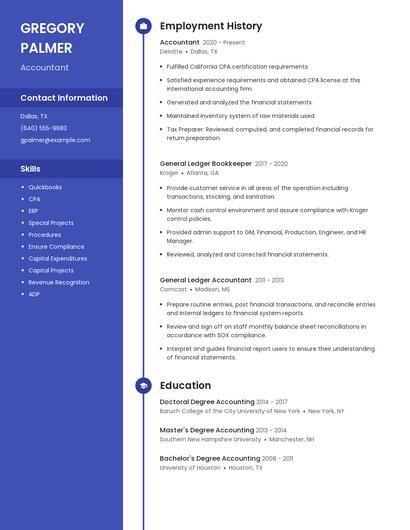
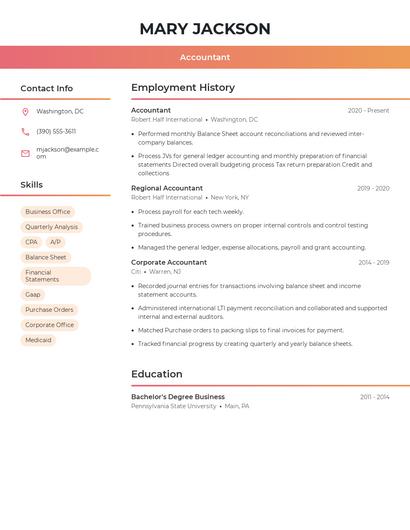
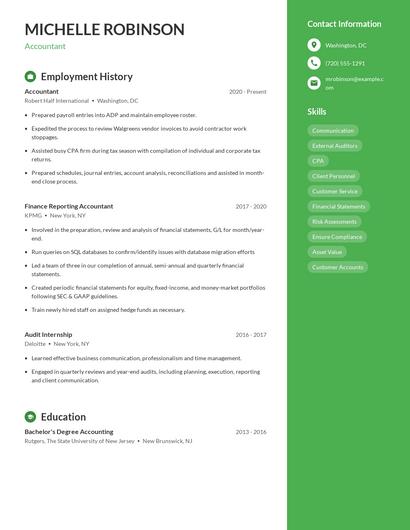
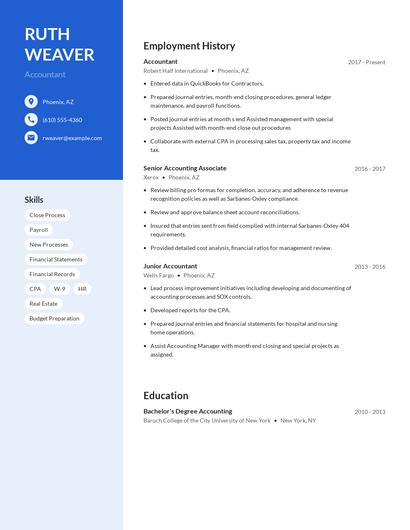
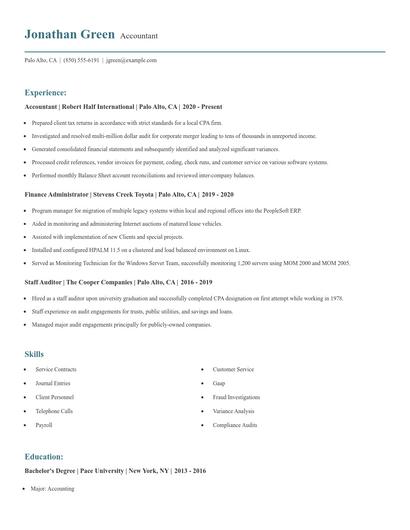
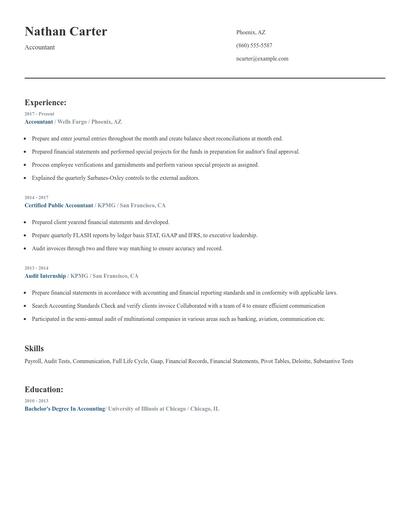
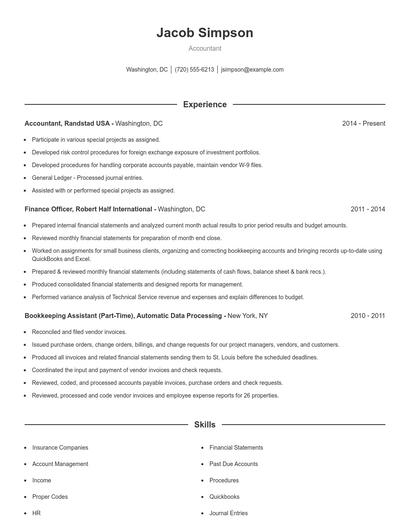
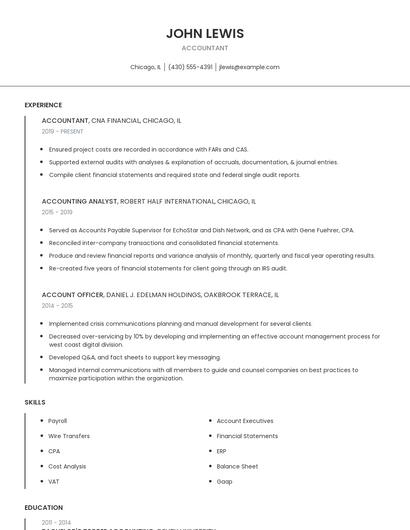
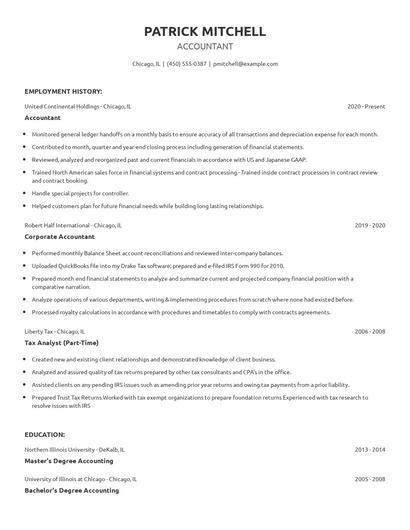
Choose from 10+ customizable resume templates
Zippia allows you to choose from different easy-to-use templates, and provides you with expert advice. Using the templates, you can rest assured that the structure and format of your resume is top notch. Choose a template with the colors, fonts & text sizes that are appropriate for your industry.