Explore jobs
Find specific jobs
Explore careers
Explore professions
Best companies
Explore companies
This question is about what a business intelligence analyst does, what a data analyst does, and business intelligence analyst.
Business Intelligence Analyst vs. Data Analyst
A business intelligence analyst discovers business-focused insights through data while a data analyst solves problems using analytics.
A business intelligence analyst uses data to discover business-focused insights and use those to make business decisions. They are focused on providing business value. The work process for a business intelligence analyst begins with understanding the needs of the business end-user.
Using the respective available databases, a business intelligence analyst combines this information to identify necessary trends and solutions.
A data analyst uses analytics and statistical models to provide insight, solve problems, and drive decisions within an organization. They rely heavily on programming, statistical modeling, and data visualization software.
The work of a data analyst usually starts by working with stakeholders to identify needs, collecting and cleaning primary data sources that can solve the quantitative problem, generating charts, and presenting them to stakeholders and recommended solutions or optimizations.
There are many differences between a business intelligence analyst and a data analyst including differences in responsibilities.
Here are the key differences between a business intelligence analyst and a data analyst:
A business intelligence analyst is focused on creating business insights
A data analyst explores complex data sets to identify patterns and trends that are useful for business groups
A business intelligence analyst focuses only on structured data
A data analyst uses both structured and unstructured data
A business intelligence analyst needs to have a solid understanding of the past
A data analyst focuses on forecasting the future of products or processes
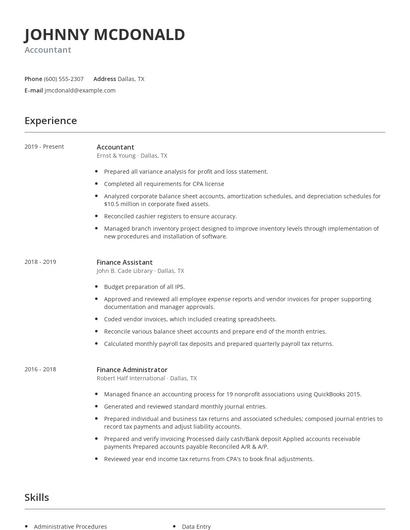
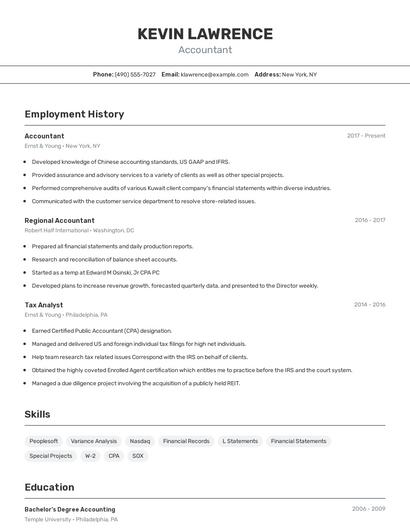
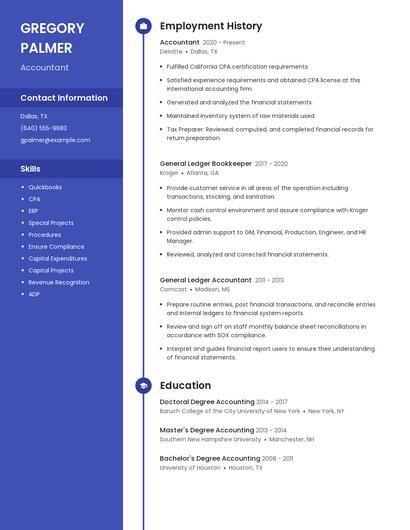
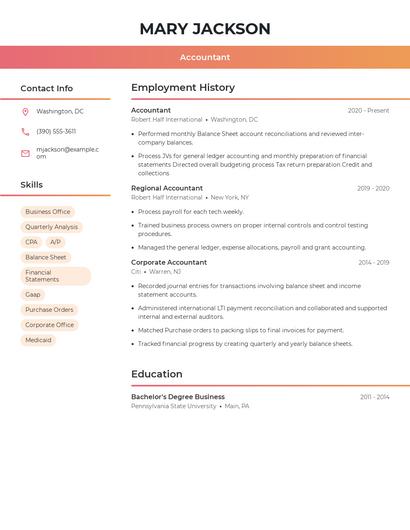
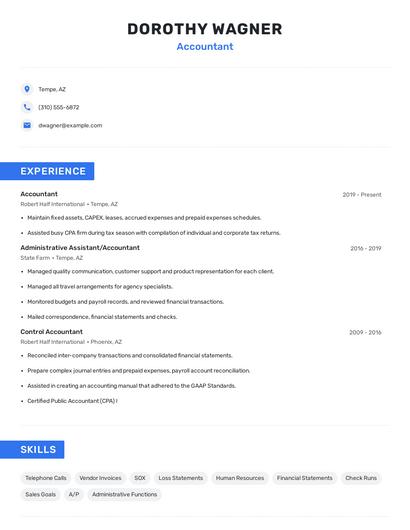
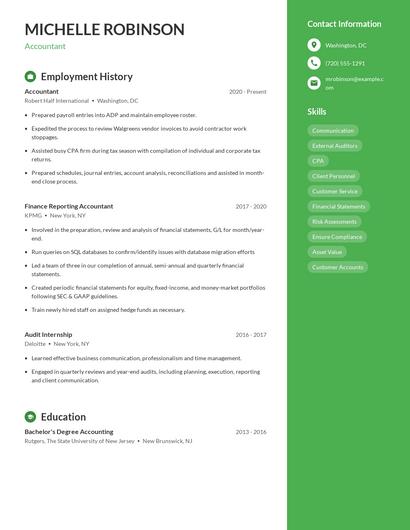
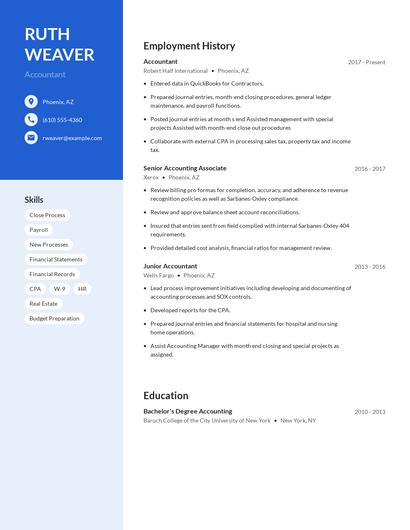
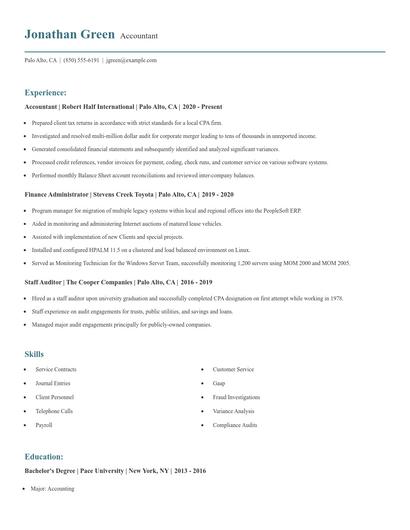
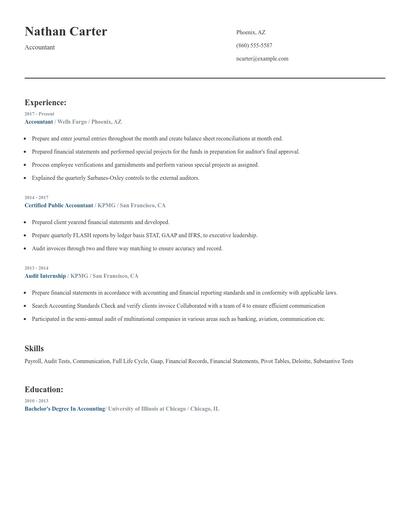
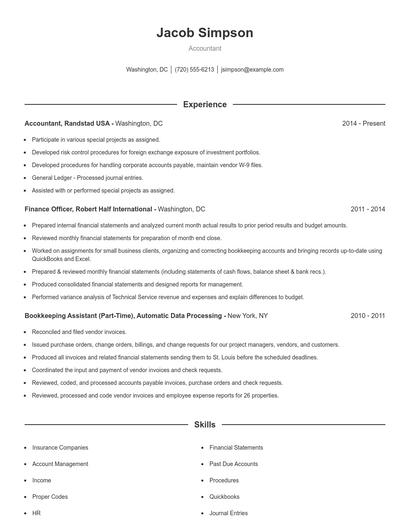
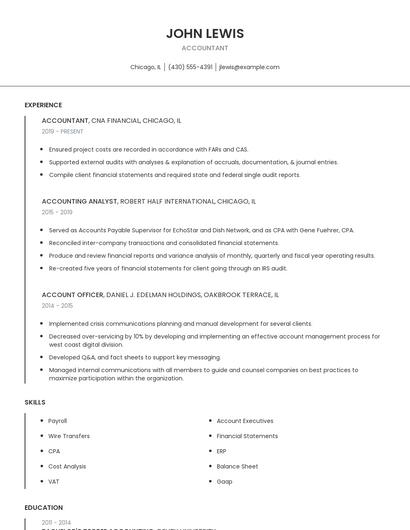
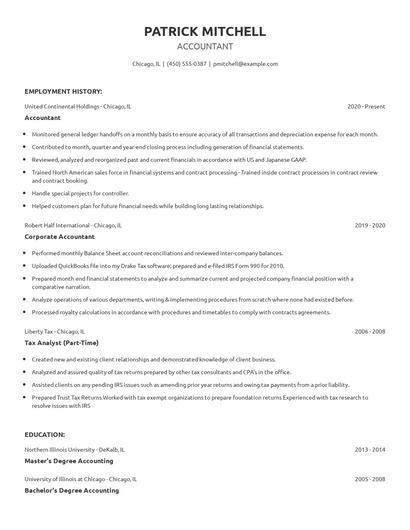
Choose from 10+ customizable resume templates
Zippia allows you to choose from different easy-to-use templates, and provides you with expert advice. Using the templates, you can rest assured that the structure and format of your resume is top notch. Choose a template with the colors, fonts & text sizes that are appropriate for your industry.