Explore jobs
Find specific jobs
Explore careers
Explore professions
Best companies
Explore companies
This question is about freight broker.
How do you start a freight broker business?
You start a freight broker business by gaining industry knowledge, developing a business plan, and registering and insuring your business.
Technically, no legal training or education is required to become a freight broker. However, it is important to have a good working knowledge of the industry to succeed. Experience as a trucker, logistics manager, or dispatcher can be a great asset when starting a freight broker business.
If you don't have experience in one of these areas, you may consider taking classes to get a foundation in the industry. There are both in-person and online training courses available. These classes typically take a few weeks to complete and can give you the necessary practical and procedural skills.
You can also take courses that are specific to being a freight broker. These classes can help you learn about transportation types and find out about contracts, invoicing, and other documents you need to know to start your freight brokerage.
After you have learned about the industry, it is important to develop a business plan. On the surface, freight brokering seems relatively simple; you contract a company to organize the shipping of their freight and contract with another company to haul the cargo. Your profit is the difference between what you are paid and what you are charged.
However, there are many other factors that you will need to take into account to have a successful business. How will you manage the gaps between money going out and money coming in? How will you float your start-up costs for equipment, licensing, and insurance?
Your business plan needs to account for these issues and set clear growth targets. Set regular check-in points for yourself to evaluate your revenue and milestones. Make sure that your plan is achievable and trackable. You want to be able to do a self-assessment and know if you are on track with your plan.
Next, you must register, license, and insure your business. Registering your business means deciding if you will operate as a sole proprietor, partnership, or limited liability corporation (LLC).
The primary advantage of an LLC is that it reduces your financial risk. A sole proprietorship is simple to set up, as is a partnership if you're going into business with other people. However, both of those structures leave you exposed to any financial liability that might come up from operating your business.
Once you have decided how you will operate, it is time to choose a business name. You want something unique and easily identifiable related to the industry or business. Once you have a short list of names, you can go to www.uspto.gov to see if they are available.
The next step is to apply for broker authority. To apply for a motor carrier authority, you must contact the Federal Motor Carrier Safety Administration (FMCSA). If you apply online, submitting form OP-1 will immediately get you a grant letter and motor carrier number.
It is important to note that these documents are your notice that your freight broker license application is being processed. You still need to get authorization to operate. You will have to follow several more steps before you can operate as a freight broker.
The next step is to select a process agent. All freight brokers must have a process agent in each state they operate in. The process agent is the person who will receive legal documents and process documents on behalf of your business. You can act as your own process agent in your state.
Keep in mind the process agent is the one who is required to appear for any legal proceedings brought against the organization, and they must have a physical address (P.O boxes are not allowed).
Before you can operate, you will also have to acquire a surety bond. In 2013, the federal government increased the mandatory freight broker bond from $10,000 to $75,000. Some companies will cover the bond for an annual premium between 1% and 10% of the bond cost.
You will also be required to get the appropriate insurance for your business. While not required by the FMCSA, most companies will require that you have contingent cargo and general liability insurance in place. This coverage protects your client's physical property and protects you if something happens during operating your business.
The last step in starting your freight broker business is setting up your financing. If you have cash reserves on hand, you may be able to float the cash flow of your new business without help; however, this is not the case for most new business owners.
Truckers must be paid before the shipper has paid you for your services. To that end, getting a line of credit from a bank can help. You can better approach financial institutions for a business loan or line of credit with a clear understanding of your first few months of operating costs.
Be prepared that the bank may secure the funding against your personal assets, or you may need to show your business plan to show your company's viability. With funding in place, you can start operating your business.
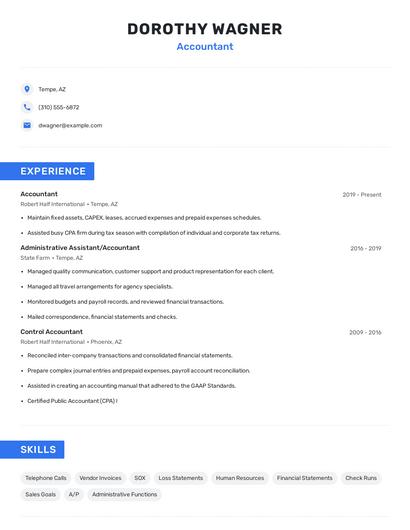
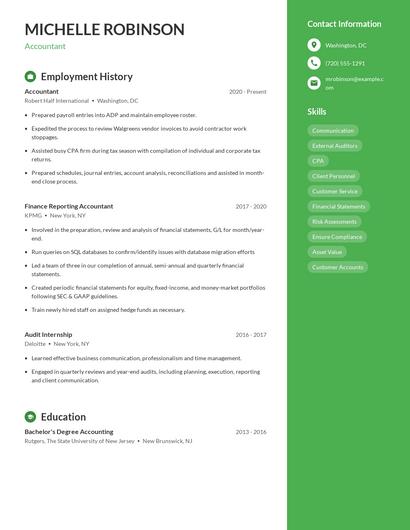
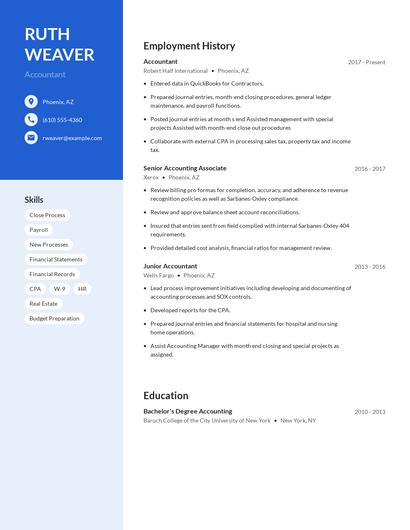
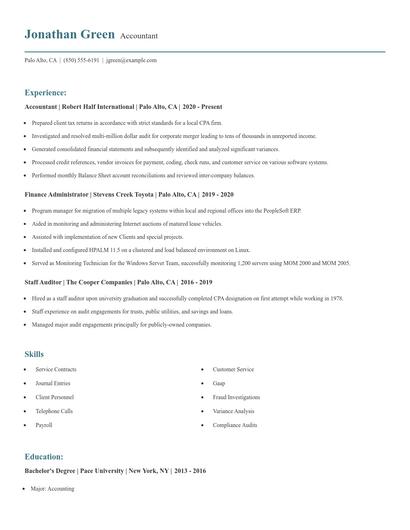
Choose from 10+ customizable resume templates
Zippia allows you to choose from different easy-to-use templates, and provides you with expert advice. Using the templates, you can rest assured that the structure and format of your resume is top notch. Choose a template with the colors, fonts & text sizes that are appropriate for your industry.