Explore jobs
Find specific jobs
Explore careers
Explore professions
Best companies
Explore companies
This question is about pharmacist.
How hard is it to become a pharmacist?
It is very hard to become a pharmacist. According to the American Associations of Colleges of Pharmacy, it is estimated that of all the students who are accepted into pharmacy school, over 10% do not make it to graduation day.
In order to become a pharmacist, you will need to put in a great deal of effort and hard work. You will need to follow a step-by-step procedure with the first step being to get your undergraduate degree. Popular undergrad programs for students on this path include biology and chemistry.
Your undergraduate degree program should focus on areas that will help you with the Pharmacy College Admissions Test (PCAT). Recommended coursework includes:
General chemistry lab
Organic chemistry lab
Biochemistry
Biology with lab
Microbiology with lab
Physics with lab
Human anatomy with lab
Physiology
Microbiology
Psychology
Statistics
Calculus
Economics
English
The PCAT exam has 5 sections covering:
Writing
Biological processes
Chemical processes
Critical reading
Quantitative reasoning
After you earn an undergraduate degree and have taken the PCAT, you can apply for admission to pharmacy school. If accepted, you will need to get a Doctor of Pharmacy (PharmD) degree.
The Doctor of Pharmacy degree program takes 4 years and it is not possible to finish the degree early. You are not able to double-up on coursework or skip any of the curriculum. Some schools do offer a dual degree program known as a "0-6," where you can earn your bachelor's degree and PharmD over the course of the program.
Pharmacy students can expect to take courses in drug design, drug evaluation, and the effect of drugs on the body. They will learn how to advise patients, dispense medication, and manage day-to-day business logistics, including accounting and legal issues.
In their final year, PharmD students will gain firsthand experience through experiential learning programs including Introductory Pharmacy Practice Experiences (IPPE) and Advanced Pharmacy Practice Experiences (APPE). IPPEs are completed throughout a student's first 3 professional years while APPE takes place in the 4th year.
APPEs take place in settings such as hospitals, physician's offices, and pharmaceutical companies under the supervision of licensed pharmacists, allowing them to gain practical experience. Most students will go through a residence in order to gain hands-on experience and further their education.
These residencies are broken down into 2 categories: Post Graduate Year 1 (PGY1) and Post Graduate Year 2 (PGY2). PGY1 builds on the skills, knowledge, and abilities gained in the PharmD program. PGY2 allows participants to explore a particular field of interest, such as Drug Information, Managed Care, or Pharmacy Systems.
To practice as a pharmacist, you must pass 2 examinations: the North American Pharmacist Licensure Exam (NAPLEX) and the Multistate Pharmacy Jurisprudence Exam (MPJE). NAPLEX is designed to test decision-making and your ability to make safe choices for our patients. MPJE is a test of federal and state pharmacy laws.
Some states may have further requirements to practice as a pharmacist. As of 2016, all states require pharmacists to complete continuing education hours to maintain their license. In general, pharmacists should anticipate dedicating between 15 and 30 hours to continuing education during each renewal period.
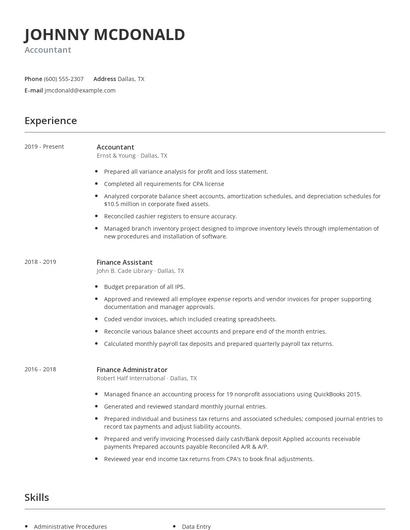
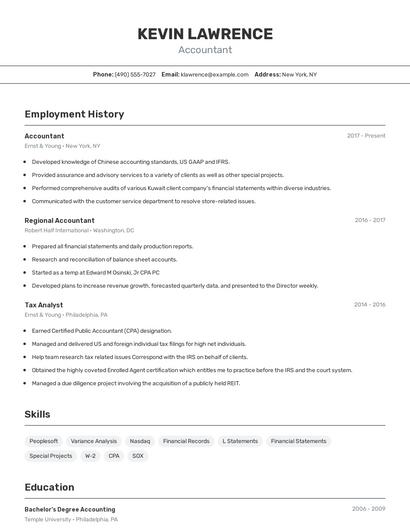
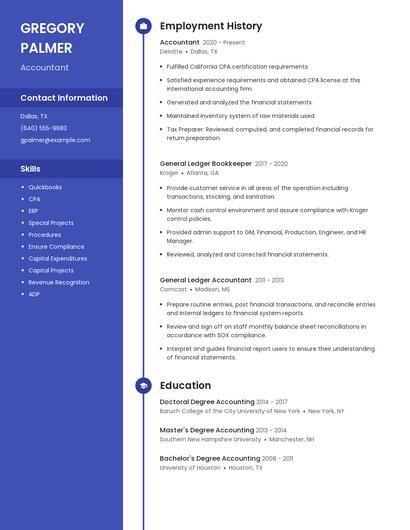
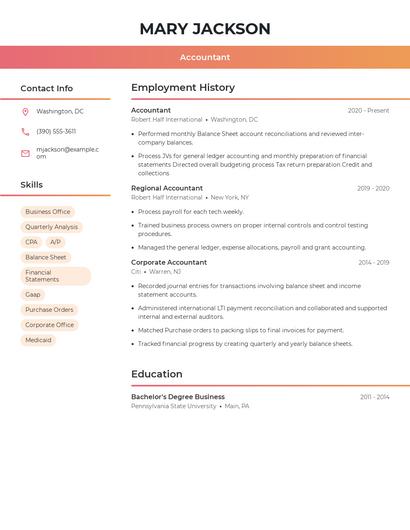
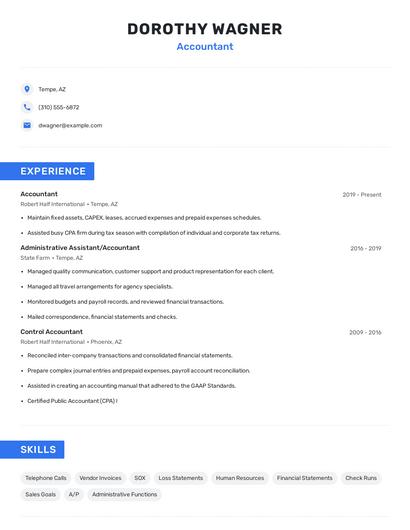
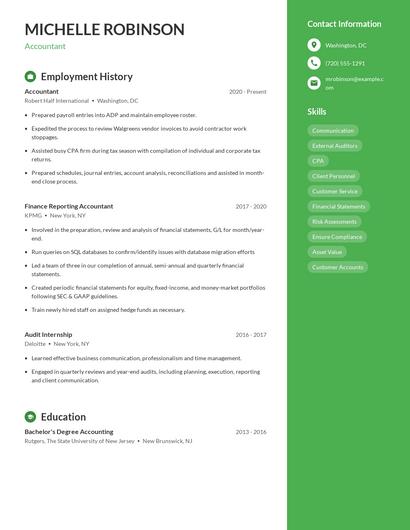
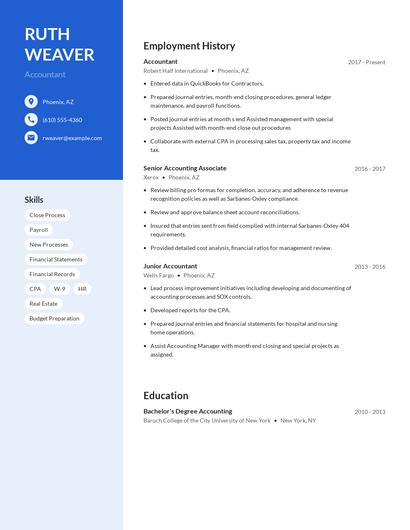
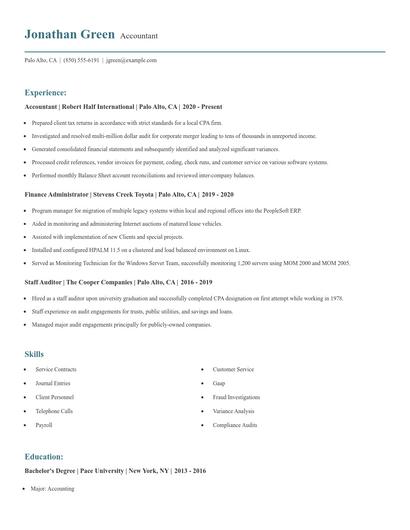
Choose from 10+ customizable resume templates
Zippia allows you to choose from different easy-to-use templates, and provides you with expert advice. Using the templates, you can rest assured that the structure and format of your resume is top notch. Choose a template with the colors, fonts & text sizes that are appropriate for your industry.