Explore jobs
Find specific jobs
Explore careers
Explore professions
Best companies
Explore companies
This question is about chef/catering.
How to start a food business from home
You need to determine the food speciality and scale of your business, create your menu, and develop a business plan in order to start a food business from home. Here are some details on these steps and others you can take to start a food business from home:
Determine your food speciality and the scale of your business. New home food businesses often thrive the most when they serve a specific niche of the food industry.
First, you must ask yourself some simple questions, including:
What kind of food will your business serve?
This question can be answered in different ways. It can be a direct question about the kind of cuisine you serve, like traditional American, Indian, Italian, Thai, or many other examples.
This question also applies to if your food will be even further specialized, such as for vegetarians, vegans, or the gluten-free market.
How much time are you able to work?
If you are going into this business full-time, that's great, but if you are initially doing this part-time or as a side hustle, you'll probably have to keep most of your services to the weekends.
Who are you going to hire?
Even if you are planning on being the head chef in charge, you still need to consider who else you will hire to help with the cooking and delivery of your food.
Research your local food market. It is critical to do a lot of research on your local food industry market, and this means finding out the consumer base in your area, as well as any competing food companies.
A great way to learn about competitors is to talk with their customers. Here you can get information on what they are doing right and what they are doing wrong, and at the same time, you'll be doing customer research.
Create a menu. It's likely this was one of the first things you thought about when you first wanted to start a food business at home.
Menus can always evolve or be changed, but it's best to start out with a list of options. This is also critical when it comes to figuring out how many employees you need.
If your dishes are simple, you'll likely need less or even no cooking employees, but if you are doing challenging menu items, it's almost a guarantee you are going to need help.
Purchase equipment. Depending on your menu, you may need to purchase a lot of cooking equipment or very little.
Put together a list of all of the essential equipment you need to start your business. If you have the capital, you can go ahead and purchase these items.
If you need money, consider a small business loan from a bank or getting friends, family, or business people to invest in your food business.
Create a business plan. Your business plan should cover customer research, competitors, a startup budget, and financial projections for your catering business.
At this stage, you should also choose a name for your business. Pick something snappy, food-related if possible, and memorable.
Develop a marketing strategy that makes financial sense. Utilize the internet to market your food business.
You should create social media accounts for your food business and try to gain friends and followers. You can post about your services and pricing, as well as show actual pictures of your menu items.
You should also develop a website. On it, you should have your pricing and contact information, as well as things like customer testimonies about your services. Make sure your social media business accounts link to your website and vice versa.
One of the best forms of marketing for a food business is word of mouth. Here you don't actually have to do much of the marketing at all; just simply provide great food services and ask your customers to recommend you to other possible customers.
Costs of starting a food business from home. Starting a food business from home can cost as little as a few hundred dollars or as much as several thousand, depending on the decisions you make.
Of course, startup costs vary from business to business, but after doing the planning entailed in all the other previous steps, you should have a good ballpark notion of how much capital you will need to start your food business.
Your initial budget should cover your startup costs and operating costs for a year without taking business revenue into consideration.
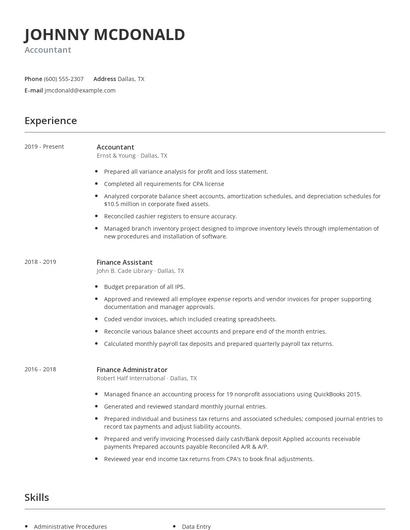
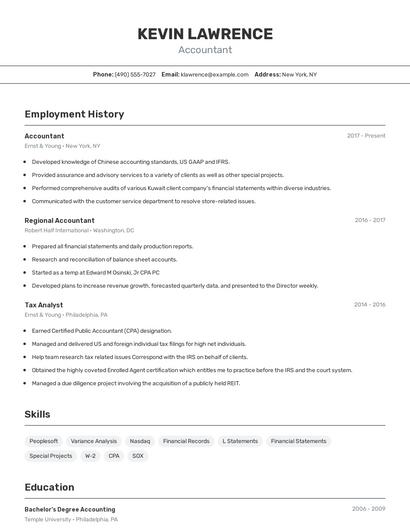
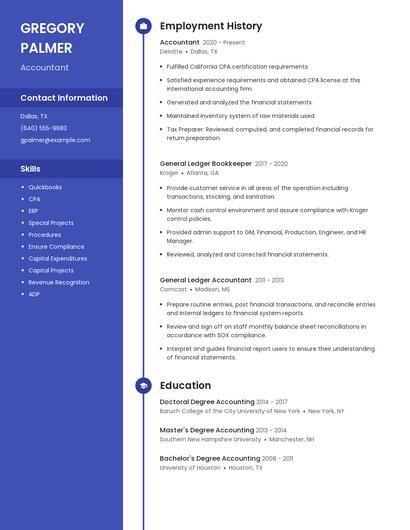
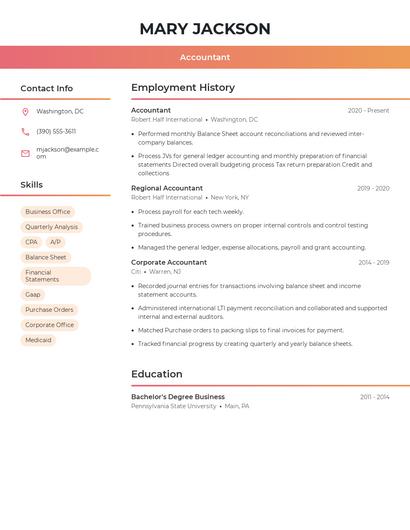
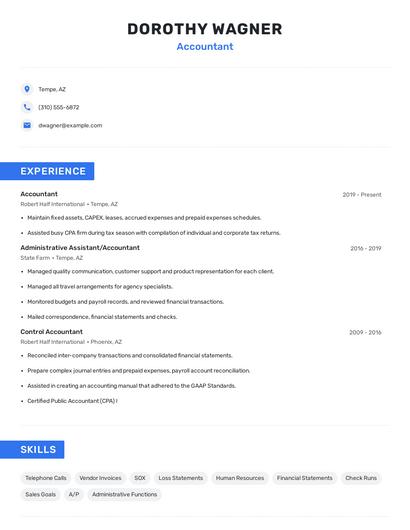
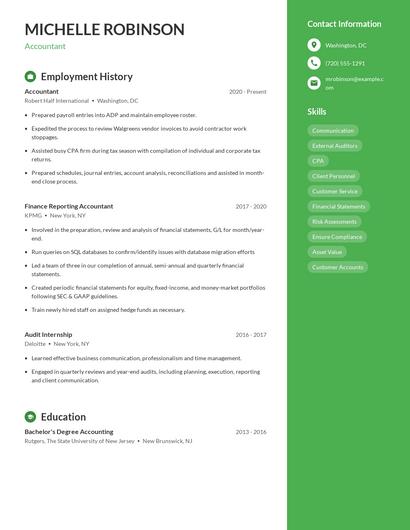
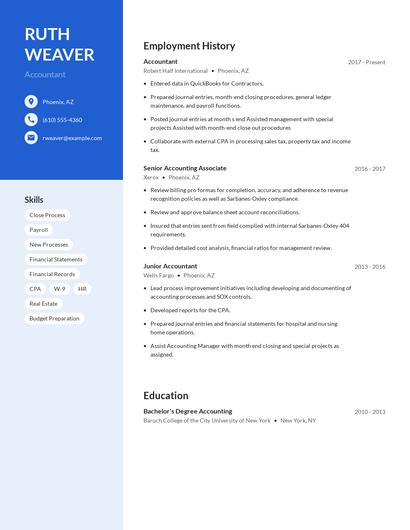
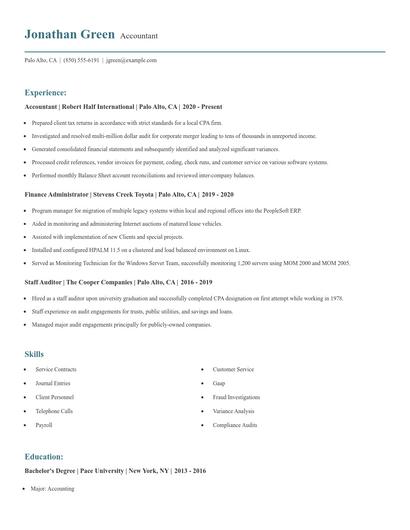
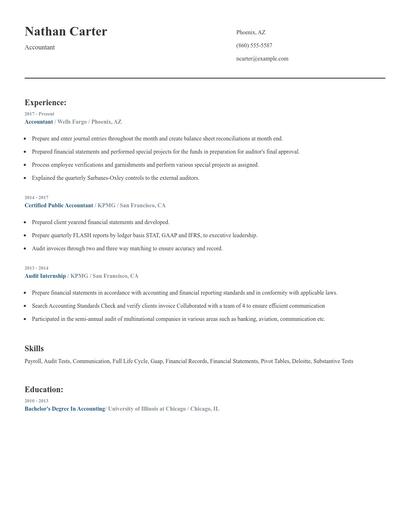
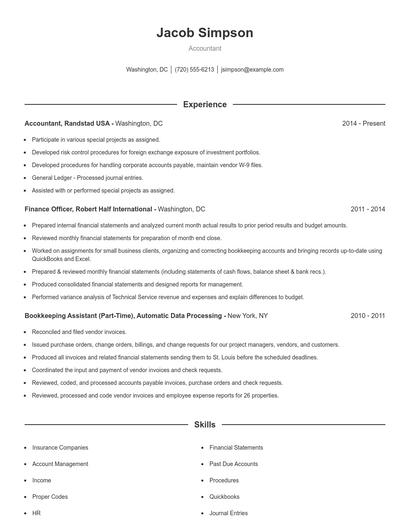
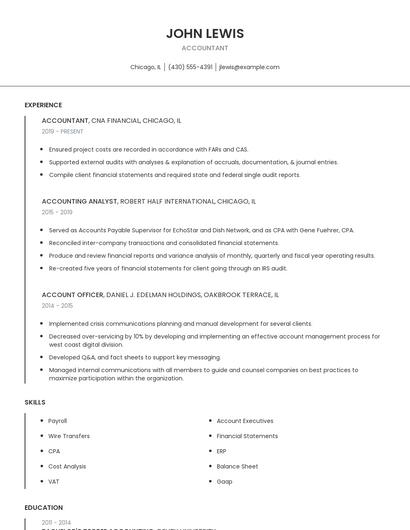
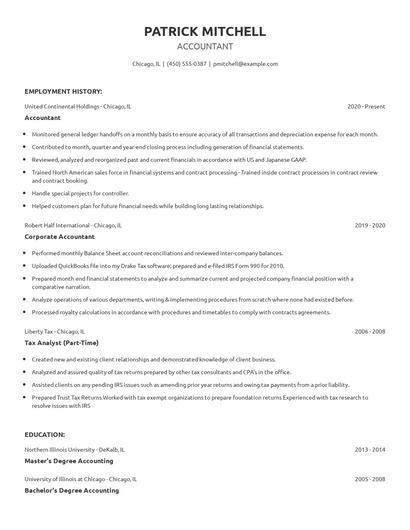
Choose from 10+ customizable resume templates
Zippia allows you to choose from different easy-to-use templates, and provides you with expert advice. Using the templates, you can rest assured that the structure and format of your resume is top notch. Choose a template with the colors, fonts & text sizes that are appropriate for your industry.