Explore jobs
Find specific jobs
Explore careers
Explore professions
Best companies
Explore companies
This question is about what an interpreter does.
Interpreter vs. Translator
An interpreter translates spoken language orally, while a translator translates written language.
Interpreters translate oral language in real-time without using dictionaries or other reference materials. They must possess expert listening skills and a command of knowledge about the languages they translate. Interpreters must also have excellent public speaking skills and be able to instantly translate idioms, colloquialisms, and other cultural-specific references.
Translators translate the written word of another language. They need to be able to understand the source language and the culture from which the text comes. They use a library of dictionaries and reference materials to translate clearly and accurately into a target language.
Here are the key differences between an interpreter and a translator:
| An interpreter translates spoken words orally. | A translator translates the text of another language. |
| An interpreter translates a speaker's words in real-time. | A translator has a set amount of time to translate a specific text. |
| Interpreters must have excellent public speaking and listening skills, and be able to instantly translate idioms, colloquialisms, and other cultural-specific references. | A translator must have a command of the language and its culture to translate correctly, and must also have good research skills and reference materials. |
| Interpreters have an average salary of $53,330 per year. | Translators have an average salary of $52,330 per year. |
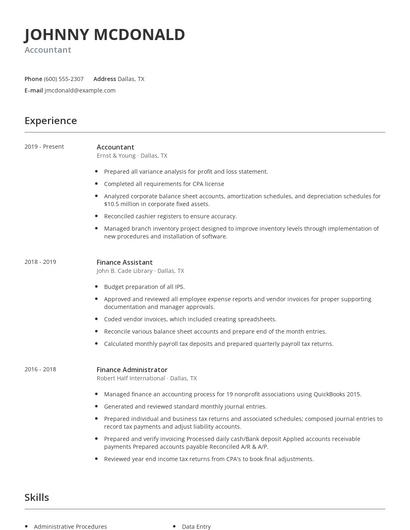
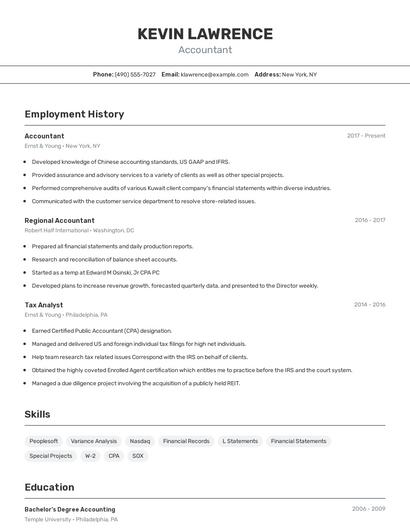
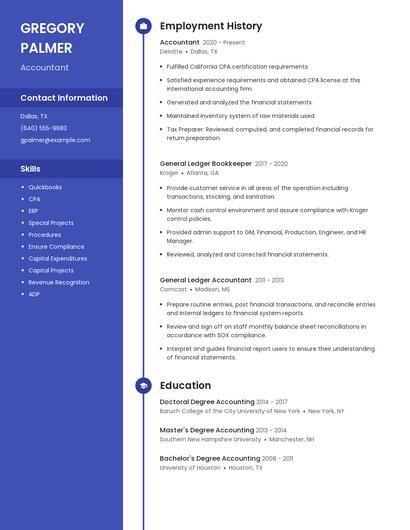
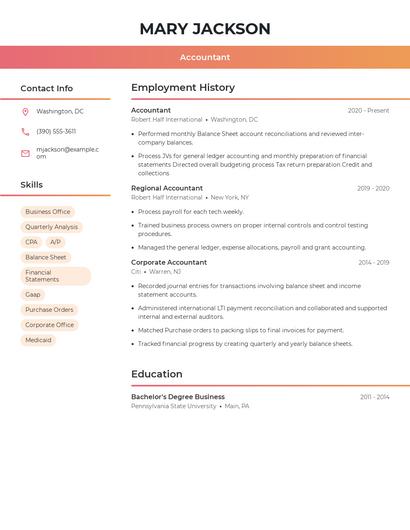
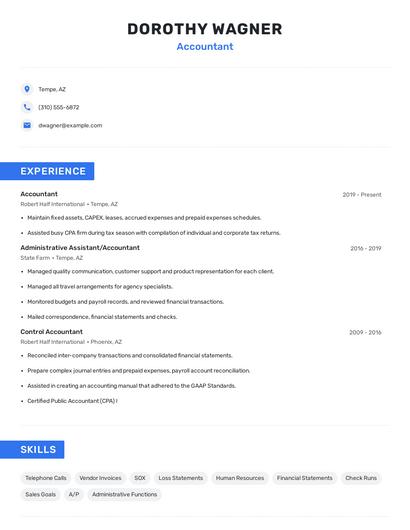
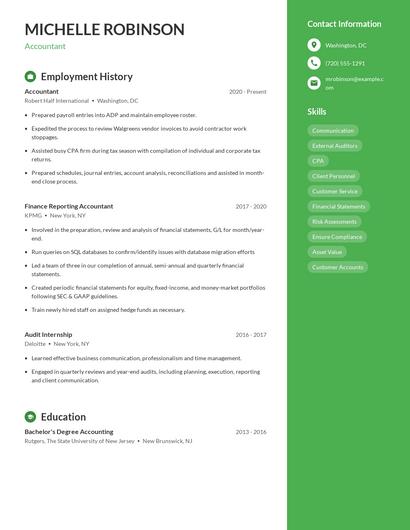
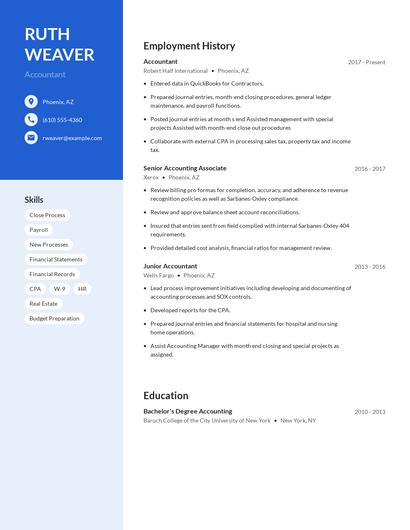
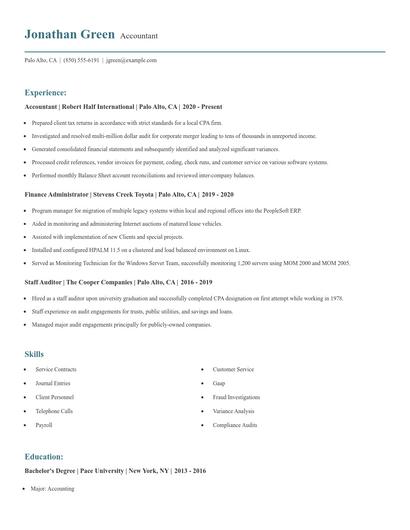
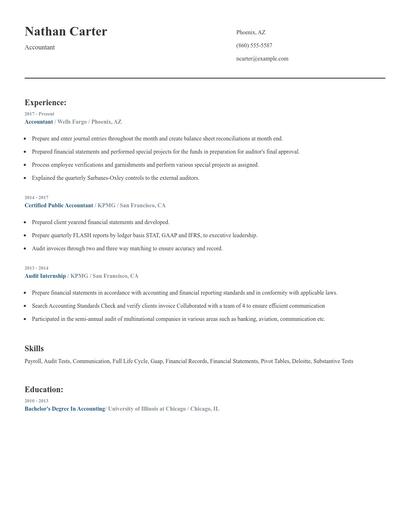
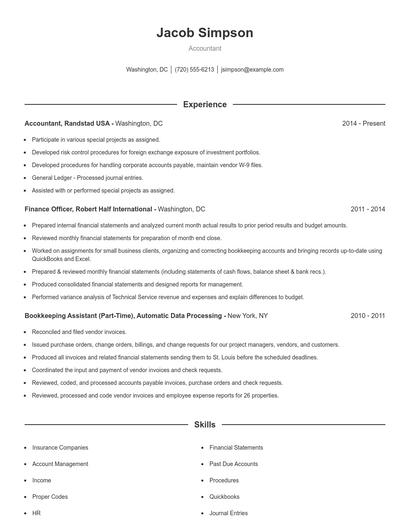
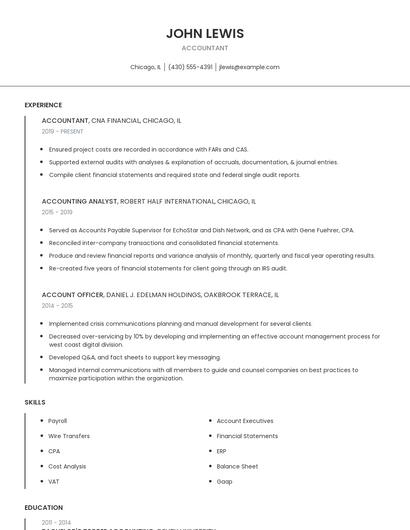
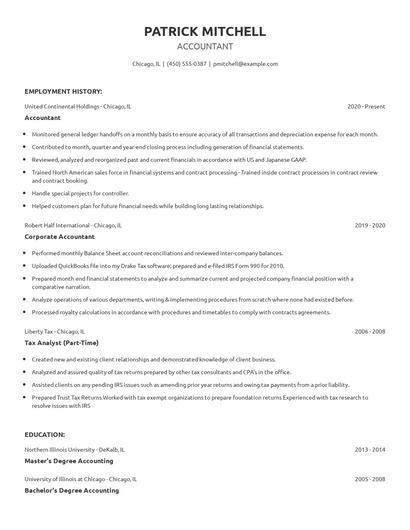
Choose from 10+ customizable resume templates
Zippia allows you to choose from different easy-to-use templates, and provides you with expert advice. Using the templates, you can rest assured that the structure and format of your resume is top notch. Choose a template with the colors, fonts & text sizes that are appropriate for your industry.