Explore jobs
Find specific jobs
Explore careers
Explore professions
Best companies
Explore companies
This question is about bartender.
What are careers in bartending?
Bartender: A bartender is a food services professional who makes and serves alcoholic beverages to customers of a restaurant, bar, or event. There are no formal education requirements needed to become a bartender.
Some baseline requirements of most bartending roles include being at least 21 years of age, having the ability to pass a background check and possibly a drug test, and having experience in the food industry. Many employers prefer bar experience, such as working as a barback.
Many bartenders start in other positions in the food service industry. They might be waiters or waitresses, barbacks, hosts or hostesses, or even cooks. It is possible to gain a bartending job with no experience, however, this is rare. Most new bartenders will have worked in the food industry in some way. When they become a bartender, they are given on-the-job training in mixology.
For people with no food industry experience, there are bartending classes and mixology classes. Not all bars and restaurants require a bartending license. However, getting one can help a bartender stand out when seeking a job. This license also helps to familiarize them with common bartending practices and etiquette.
They also learn about the laws and penalties regarding minors, spotting the stages of intoxication in customers, and how to handle and prevent alcohol-induced disturbances. Online classes are also available for bartending licenses. Licenses should be state-approved.
The average salary of a bartender in the United States ranges from $7.25 to $28.05 per hour, depending on tips.
Barback: A barback supports the bartending staff at a restaurant, bar, event, or other appropriate venues. Most of their duties revolve around the restocking of alcoholic beverages or supplies needed when performing bartending. Barbacks also participate in cleaning and organizational duties behind a bar.
They might help set up a bar for service before an establishment opens or an event commences. They might also help break down the same environment once a bar closes or an event is finished. Their services are crucial in busy bar environments to keep everything running smoothly.
The average salary of a barback in the United States is $29,107 per year.
Bar manager: A bar manager organizes and runs a bar. This might be at a restaurant, bar, or even other locations, such as a hotel. Bar managers are in charge of scheduling the staff of a bar, such as bartenders, barbacks, and servers. They also are tasked with ordering alcohol and bar-related supplies to keep their establishment well-stocked.
Bar managers may also participate in developing and following their establishment's budget when it comes to bar-related resources, supplies, and services.
The average salary of a bar manager in the United States is $43,050 per year.
Host: A host is a greeter in a restaurant. Hosts greet incoming customers of a restaurant and seat them. Hosts may also answer phones, record reservations, and perform restaurant-essential tasks, such as rolling silverware, during their shifts. Hosts need to be friendly and sociable when dealing with customers.
A host makes an average wage of $14.70 per hour in the United States.
Server: A server is a food industry worker who brings meals to customers, typically in a restaurant setting. They may also be referred to as a waiter or waitress.
Servers greet customers at their tables, recommend certain food or drinks, take orders, and bring out the meals once they are finished. They also will periodically check on their customers to see if they need anything, like a drink refill or condiments.
Most servers work for tips, so it is also important for them to be very friendly and sociable when dealing with customers.
A server makes an average wage of $15.58 per hour in the United States.

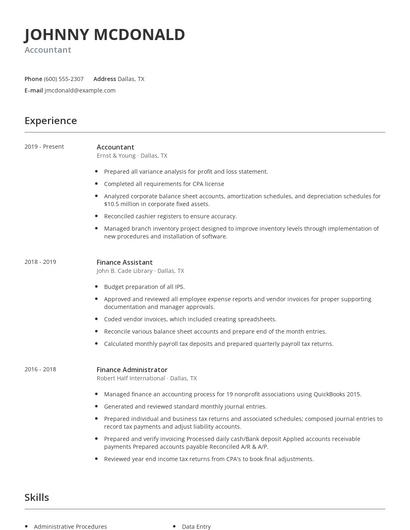
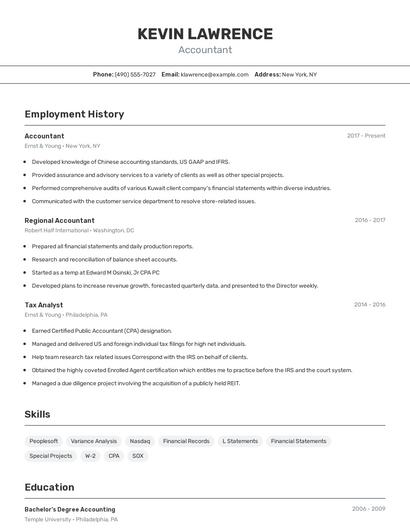
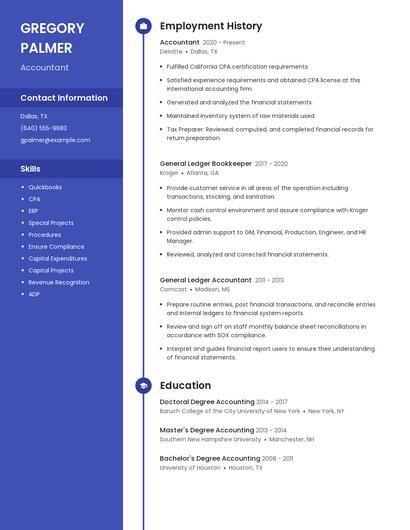
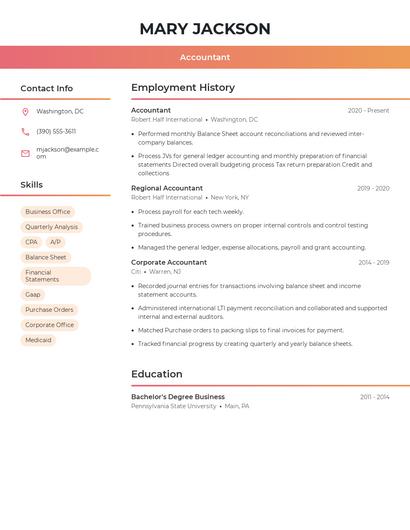
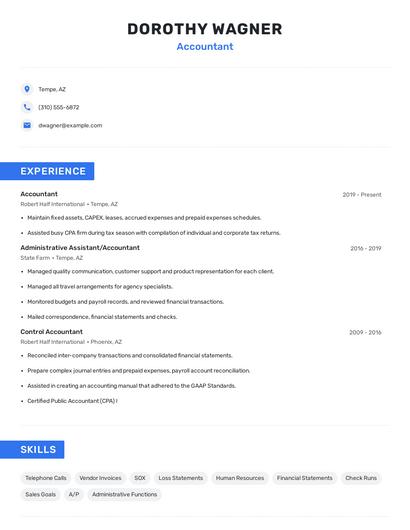
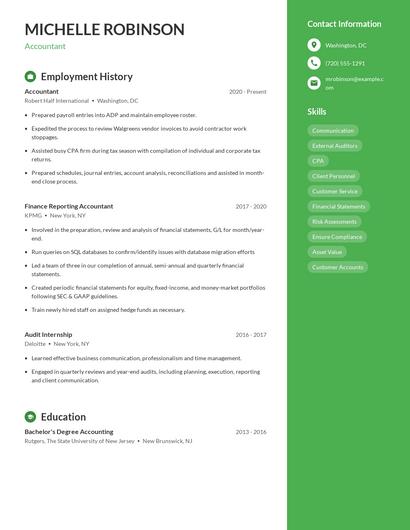
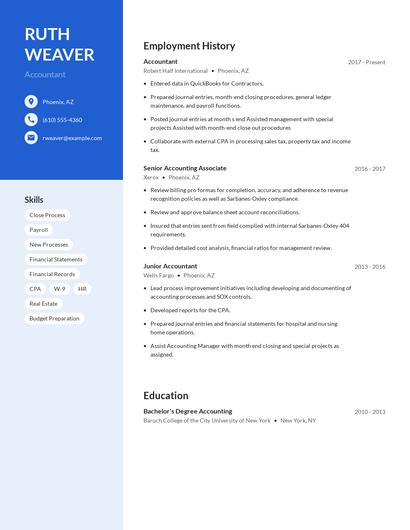
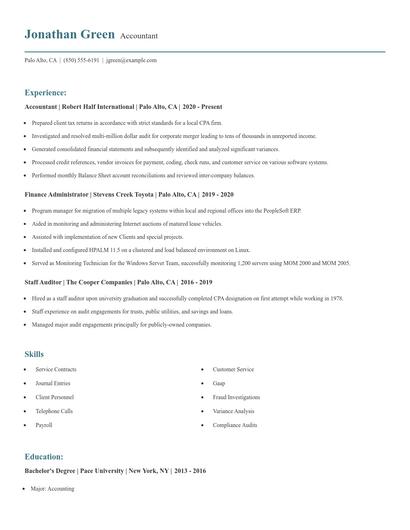
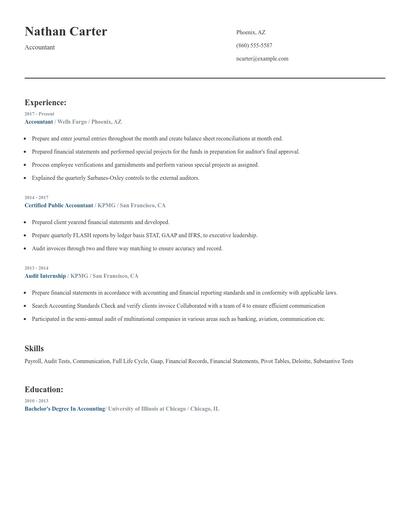
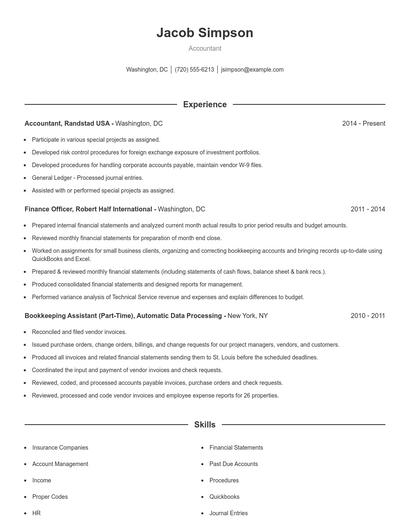
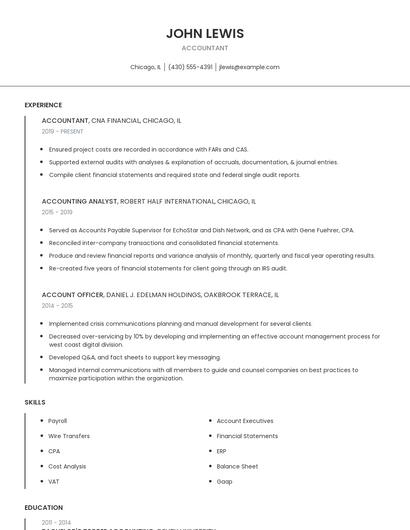
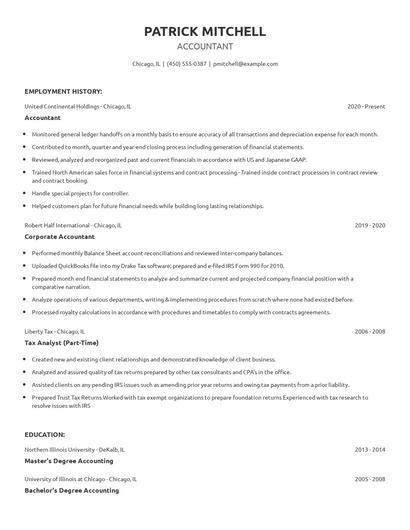
Choose from 10+ customizable resume templates
Zippia allows you to choose from different easy-to-use templates, and provides you with expert advice. Using the templates, you can rest assured that the structure and format of your resume is top notch. Choose a template with the colors, fonts & text sizes that are appropriate for your industry.