Explore jobs
Find specific jobs
Explore careers
Explore professions
Best companies
Explore companies
This question is about criminal investigator.
What are careers in criminal investigation?
Detectives, forensic psychologists, and private investigators are careers in criminal investigation. Criminal investigation lends itself to many different careers with many different educational requirements, so there are many different paths to take depending on personal interests and skill sets.
Detective
Detectives gather facts and collect evidence to help solve crimes. Detectives were once police officers, and they often work with police officers to solve these crimes. To become a police officer, prospective detectives had to first complete police academy training.
A degree in criminal justice aids them in this and gives them the tools necessary to solve crimes. Detectives are able to have a practical implementation of their criminal justice degrees.
Private Investigator
Similar to a detective, a private investigator works to solve crimes. They often hold degrees in criminal justice. Unlike a detective, they do not work for a specific agency, which gives them more agency.
Most private investigators worked as detectives for the police before becoming private investigators, which means that they often hold the same background as detectives, such as completing police training and holding a degree in criminal justice.
Forensic Psychologists
Forensic psychologists generally hold a degree in psychology as well as criminal justice or a related field. Forensic psychology is where psychology and criminology meet, as you try to understand the reason and motive behind a criminal's actions and activities.

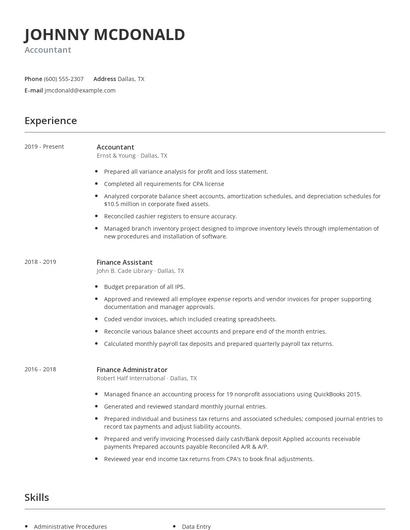
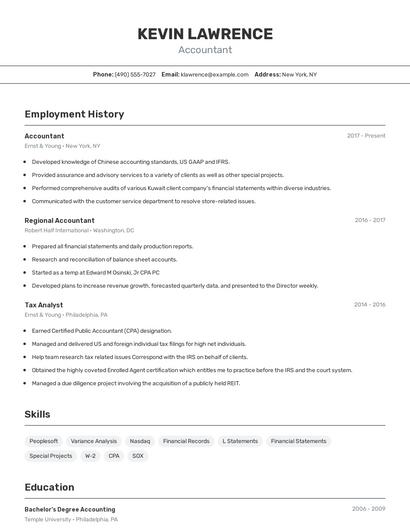
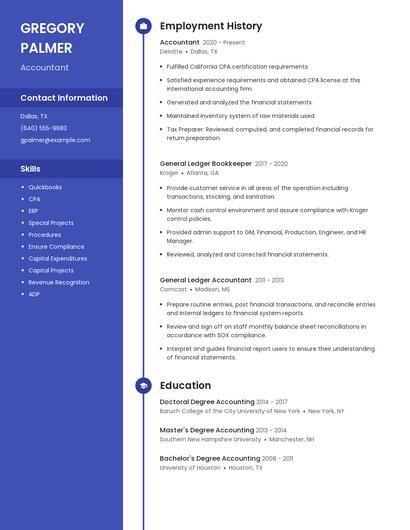
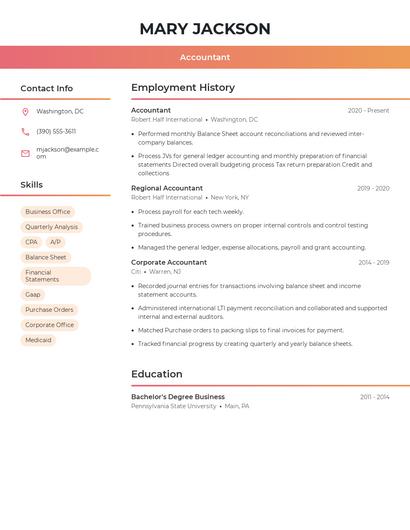
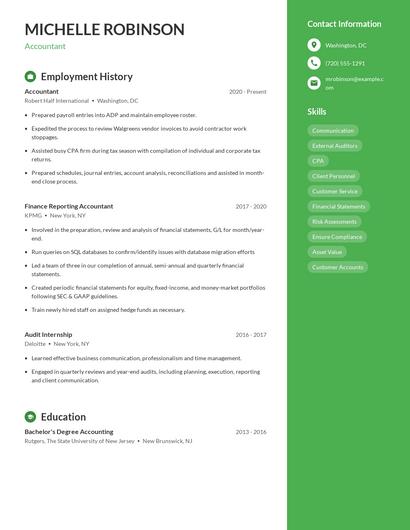
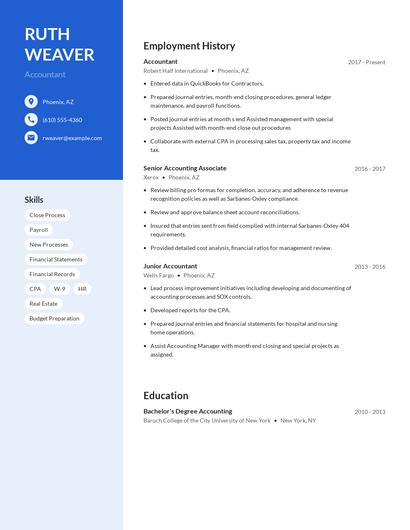
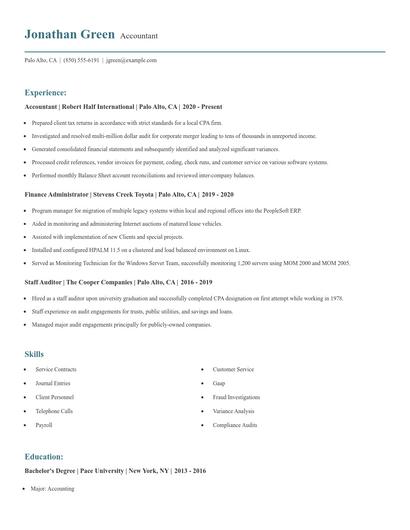
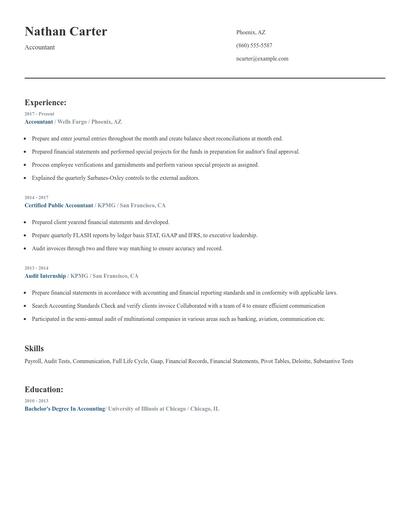
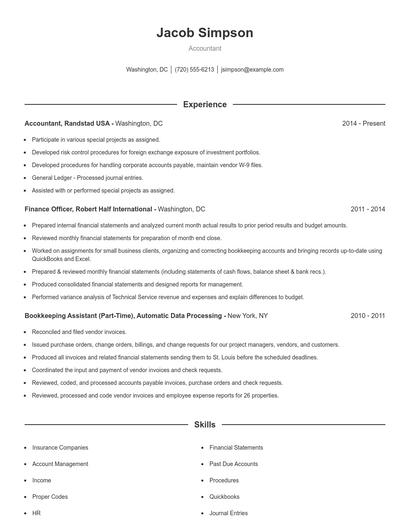
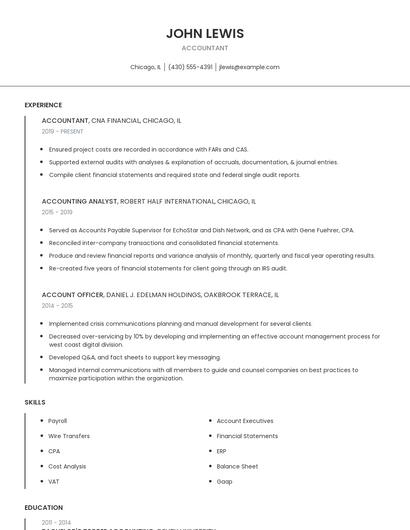
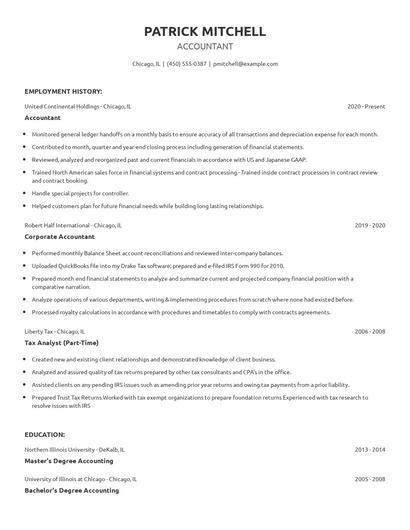
Choose from 10+ customizable resume templates
Zippia allows you to choose from different easy-to-use templates, and provides you with expert advice. Using the templates, you can rest assured that the structure and format of your resume is top notch. Choose a template with the colors, fonts & text sizes that are appropriate for your industry.