Explore jobs
Find specific jobs
Explore careers
Explore professions
Best companies
Explore companies
This question is about clinical psychologist.
What are the pros and cons of being a clinical psychologist?
The pros and cons of being a clinical psychologist relate to getting to help clients, flexible work schedules, and stress. Here are the top pros and cons of being a clinical psychologist:
As a clinical psychologist you get to help clients
This is often cited as a top pro of the profession. Clinical psychologists provide critical mental health care and assistance to people in vulnerable mental states. This is a sensitive job that takes skills and compassion to perform. Clients, in general, are extremely grateful for the services they provide. This can lead to a clinical psychologist feeling very fulfilled by their job.
Flexible work schedule
Clinical psychologists often have the opportunity to create flexible work schedules. This holds particularly true for clinical psychologists that start their own private practice. Psychologists with private practices can basically choose their own working days and hours within reason, and also determine the client load they want to take on.
Wide variety of working environments
While opening a private practice is perhaps the most ideal working environment for a clinical psychologist they also can have the opportunity to work in many other interesting mental health spaces, such as:
Hospitals
Medical clinics
Mental health clinics
Rehab centers
Social service entities
Government agencies
Academic environments (colleges and universities)
Research institutions
Corporations and private companies
Clinical psychologists have a myriad of choices in terms of working environments, making it somewhat easy to find one where they fit best.
Different clients
Being a clinical psychologist means you often have the opportunity to meet and help many different types of people. Your clients might have vast differences in terms of age, gender, or background. This helps keep the work interesting and also gives you the chance to expand your psychological skill set with different areas of the population.
Cons:
Clinical psychologists can experience burnout at a high rate
Many clinical psychologists have heavy client loads resulting in them feeling overwhelmed. Those who do not run their own private practice might find this element to be stressful, tiresome, and cause burnout. Psychologists often need to see a therapist of their own to help them cope with their demanding jobs.
Billing issues
Difficult and expensive education requirements
Becoming a clinical psychologist can be very challenging. You must earn a bachelor's degree which takes four years to complete and then earn a Ph.D. which can take anywhere from five to seven additional years to complete. Not only is the schooling intense, but the degree requirements can also result in having to pay a significantly large amount of money.

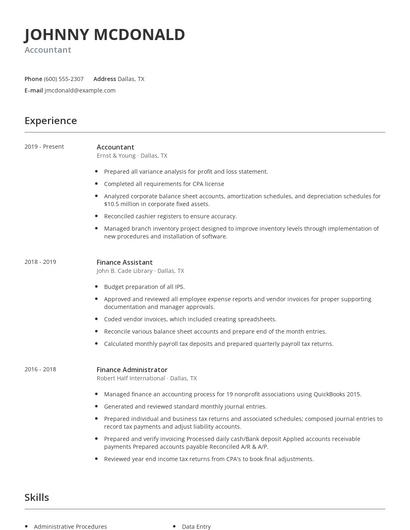
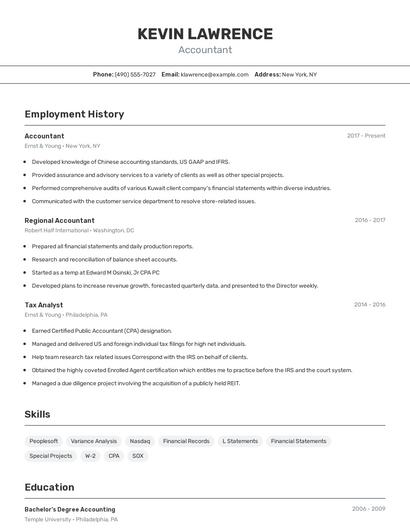
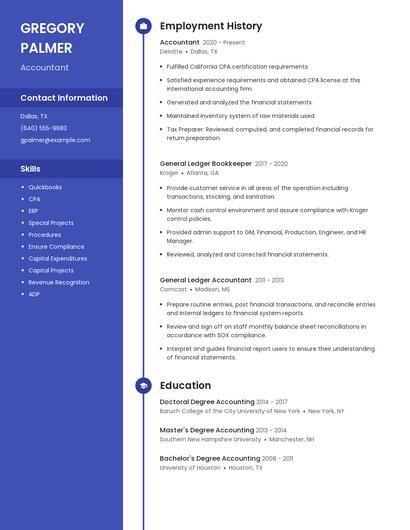
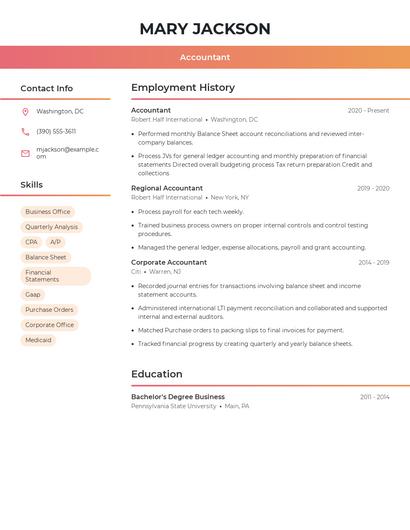
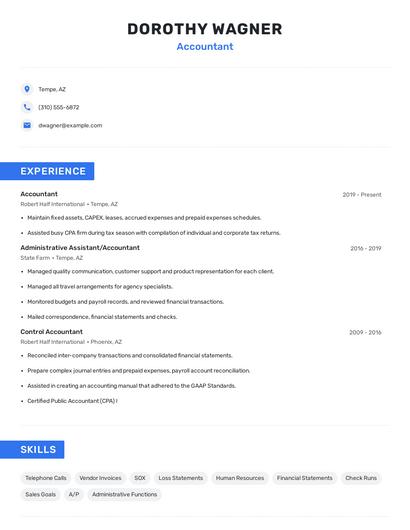
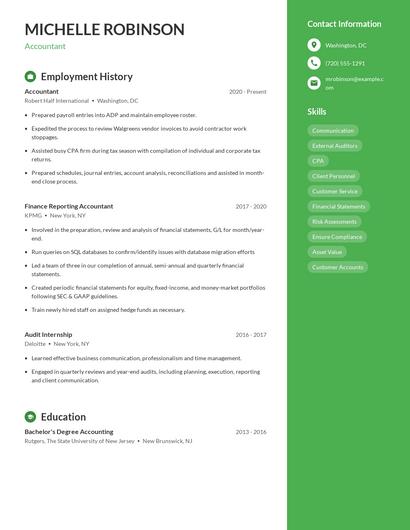
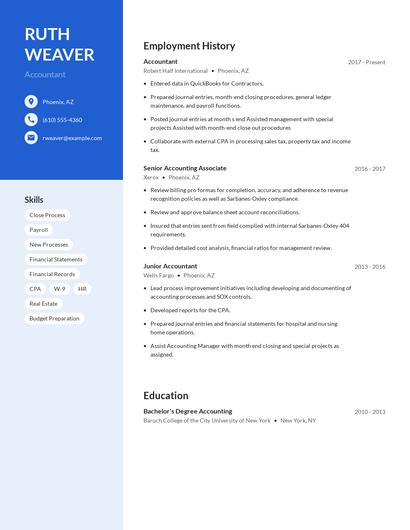
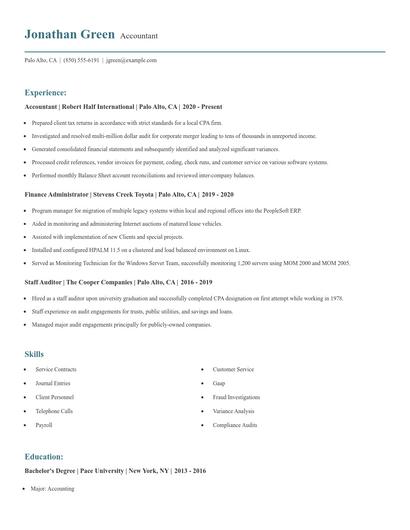
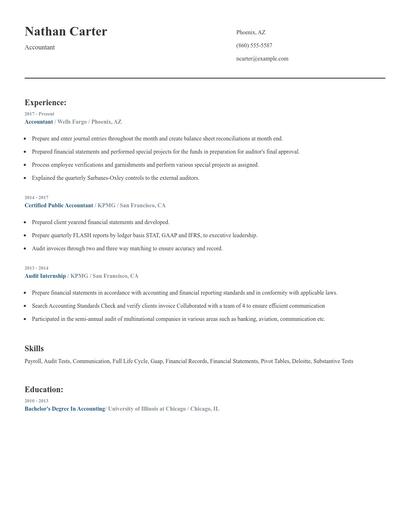
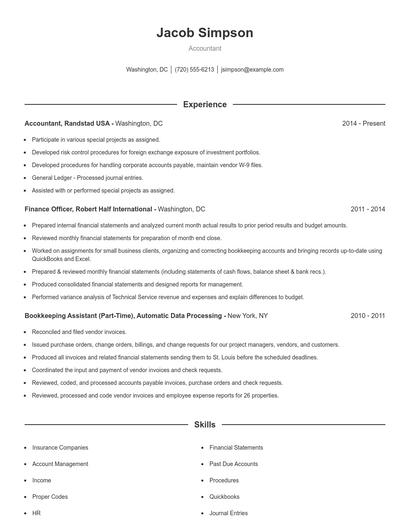
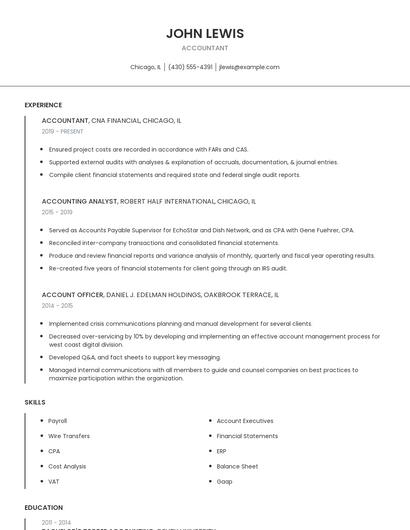
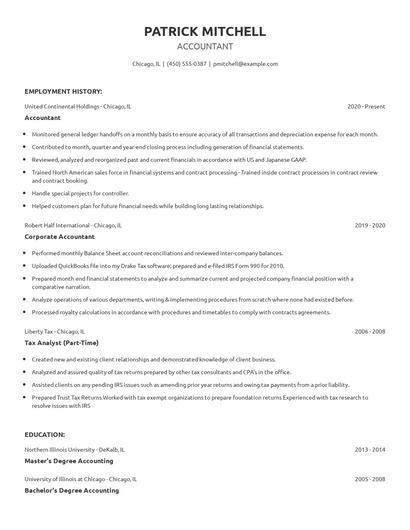
Choose from 10+ customizable resume templates
Zippia allows you to choose from different easy-to-use templates, and provides you with expert advice. Using the templates, you can rest assured that the structure and format of your resume is top notch. Choose a template with the colors, fonts & text sizes that are appropriate for your industry.