Explore jobs
Find specific jobs
Explore careers
Explore professions
Best companies
Explore companies
This question is about pharmacist certifications.
What are the qualifications of a pharmacist?
The qualifications of a pharmacist include the following:
An undergraduate degree
A doctor of pharmacy degree
Licensure examinations
Your undergraduate degree program should focus on areas that will help you with the Pharmacy College Admissions Test (PCAT). Recommended coursework includes:
General chemistry lab
Organic chemistry lab
Biochemistry
Biology with lab
Microbiology with lab
Physics with lab
Human anatomy with lab
Physiology
Microbiology
Psychology
Statistics
Calculus
Economics
English
After you earn an undergraduate degree, you will pursue your Doctor of Pharmacy. The Doctor of Pharmacy degree program takes four years. Some schools do offer a dual degree program known as a "0-6" where you can earn your bachelor's degree and PharmD over the course of the program.
Pharmacy students can expect to take courses in drug design, drug evaluation, and the effect of drugs on the body. They will learn how to advise patients, dispense medication, and manage day-to-day business logistics, including accounting and legal issues.
In their final year, PharmD students will gain firsthand experience through experiential learning programs, including Introductory Pharmacy Practice Experiences (IPPE) and Advanced Pharmacy Practice Experiences (APPE). IPPEs are completed throughout a student's first three professional years, while APPE takes place in the fourth year.
To practice as a pharmacist, you must pass two examinations: the North American Pharmacist Licensure Exam (NAPLEX) and the Multistate Pharmacy Jurisprudence Exam (MPJE). NAPLEX is designed to test decision-making and the ability to make safe choices for our patients. MPJE is a test of federal and state pharmacy laws.
Some states may have further requirements to practice as a pharmacist. As of 2016, all states require pharmacists to complete continuing education hours to maintain their licenses. In general, pharmacists should anticipate dedicating between 15 and 30 hours to continuing education during each renewal period.

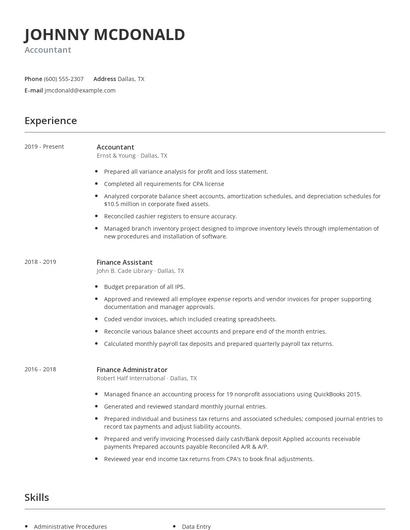
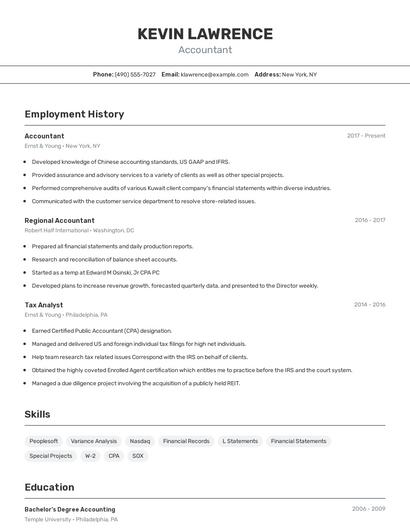
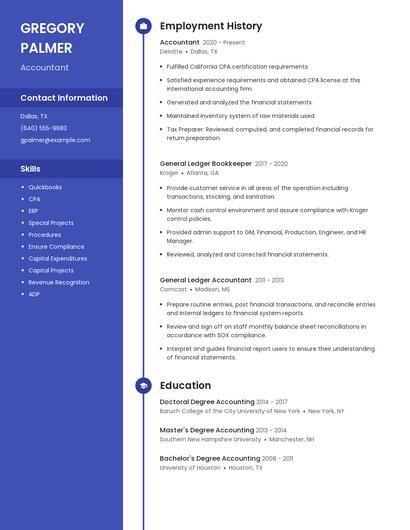
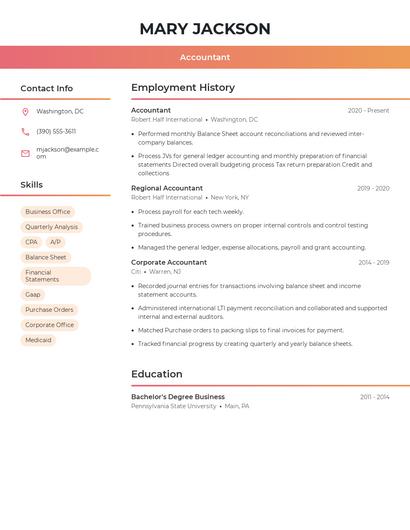
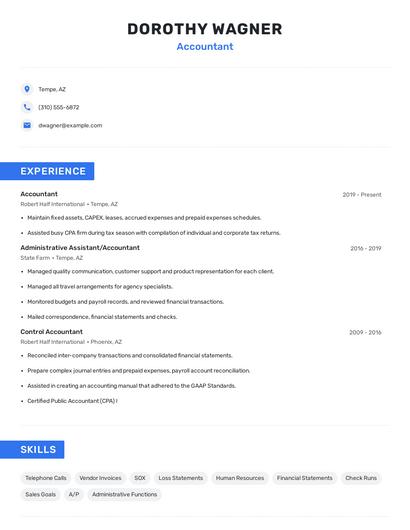
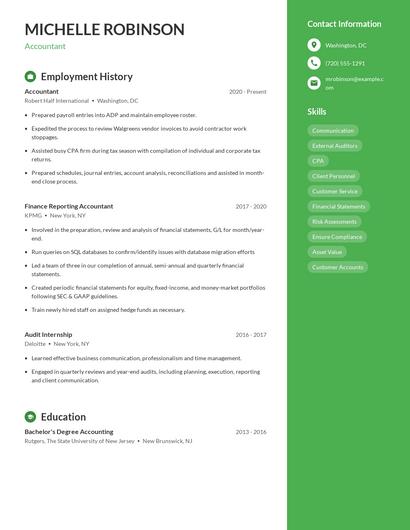
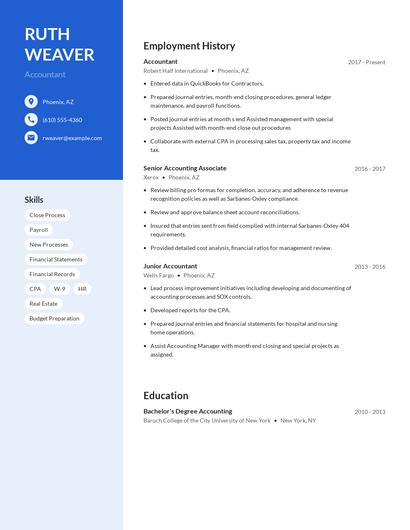
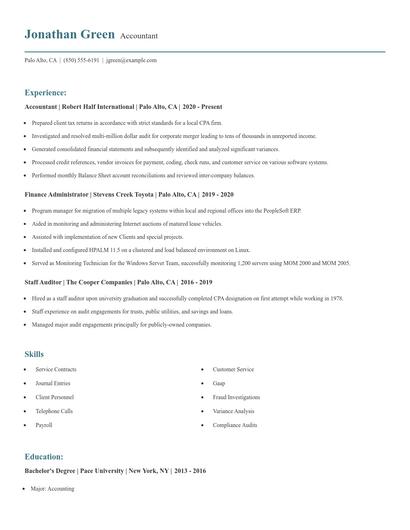
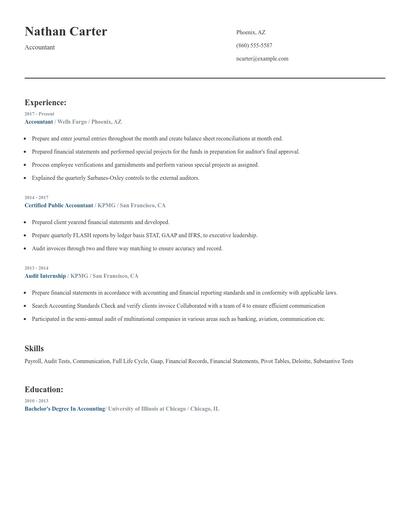
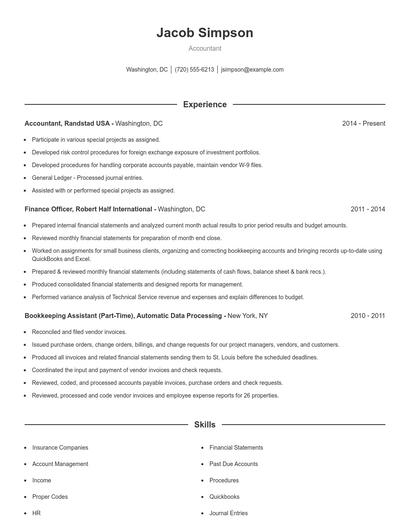
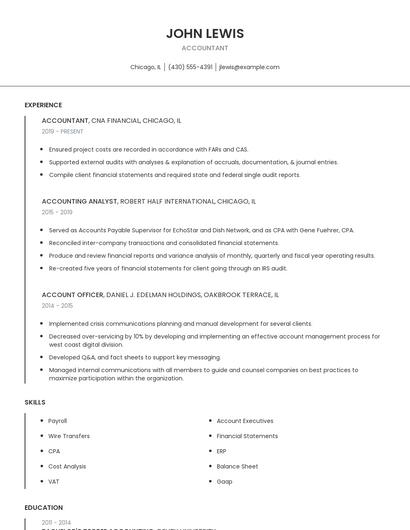
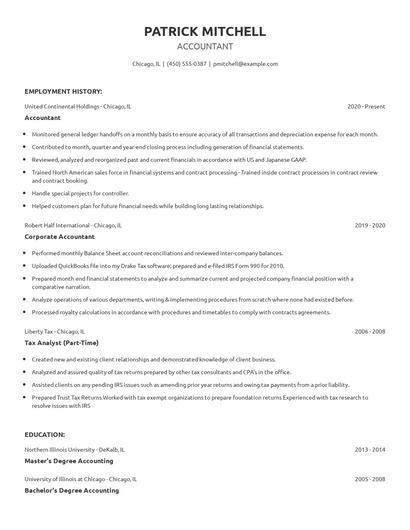
Choose from 10+ customizable resume templates
Zippia allows you to choose from different easy-to-use templates, and provides you with expert advice. Using the templates, you can rest assured that the structure and format of your resume is top notch. Choose a template with the colors, fonts & text sizes that are appropriate for your industry.