Explore jobs
Find specific jobs
Explore careers
Explore professions
Best companies
Explore companies
This question is about pharmacist.
What degree do you need to be a pharmacist?
You need a Doctor of Pharmacy degree to be a pharmacist. To obtain a Doctor of Pharmacy (Pharm.D.), you need to have a bachelor's degree. Both a bachelor's degree and a Pharm.D. take around four years to complete, so a total of around eight years of school is required.
There is no specific undergraduate degree required to get into a Pharm.D. program. Students who are interested in going to pharmacy school typically major in biology, chemistry, or biochemistry. These majors include most of the required courses for entrance into pharmacy programs and will help prepare students for the Pharmacy College Admission Test (PCAT).
As you pursue your undergraduate degree, focus on disciplines like biology, chemistry, human anatomy, calculus, and statistics. These skills will directly translate into long-term success as a pharmacist. Once you get into graduate school, you will dive deep into the three different sub-disciplines related to pharmaceuticals:
Pharmacology: Study of how drugs affect the human body
Pharmacognosy: Study of natural drugs derived from plant and animal sources
Pharmaceutical Chemistry: Practice of using chemistry to make new drugs and evaluate how they interact with the human body.
After you have taken the necessary prerequisite coursework, you'll need to take the Pharmacy College Admission Test (PCAT) in order to apply to pharmacy school. You'll want to make sure the pharmacy program is accredited by the Accreditation Council for Pharmacy Education.
Make sure you understand all the requirements for the different pharmacy programs, as they tend to differ. Some programs, for example, may require advanced pharmacy practice experience as a pharmacy assistant or pharmacy technician.
Your Pharm.D. coursework won't only focus on the chemical aspect of being a pharmacist. You'll also learn how to interact with patients and run your own pharmacy. As part of your Pharm.D. degree, you'll spend hundreds of hours working in clinical settings to gain hands-on expertise.
Before beginning your pharmacy career, you'll need to complete a formal internship/residency program and experiential learning in pharmacy practice settings. The hours needed will depend on state licensing requirements.
The final step for aspiring pharmacists is to take two pharmacist licensure exams and satisfy pharmacist licensure requirements set out by the state you'll practice in.

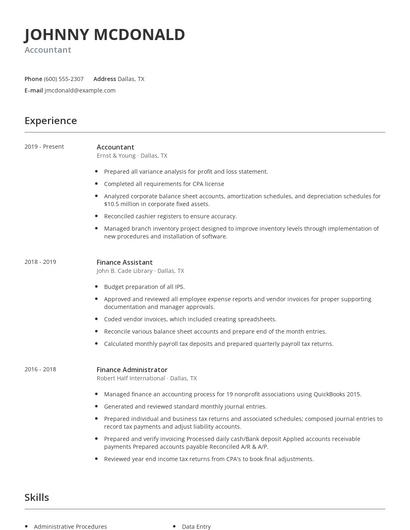
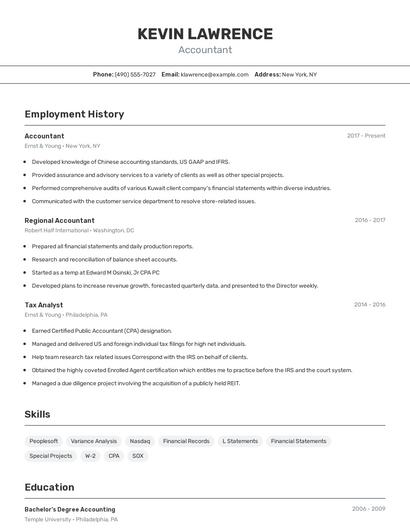
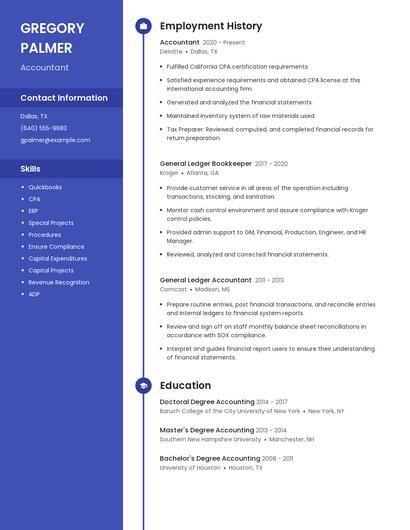
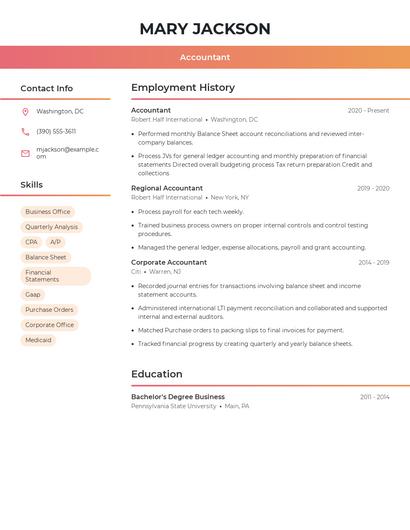
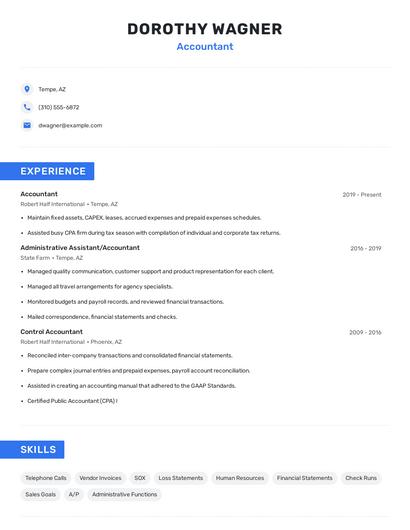
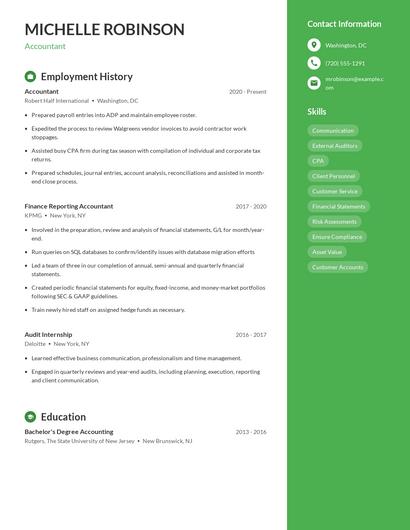
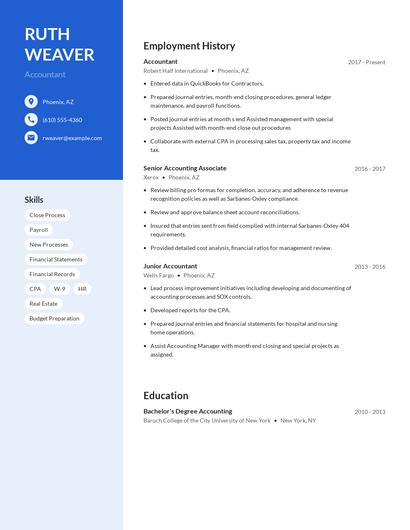
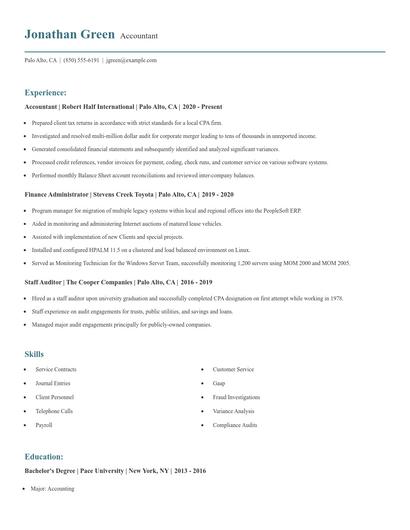
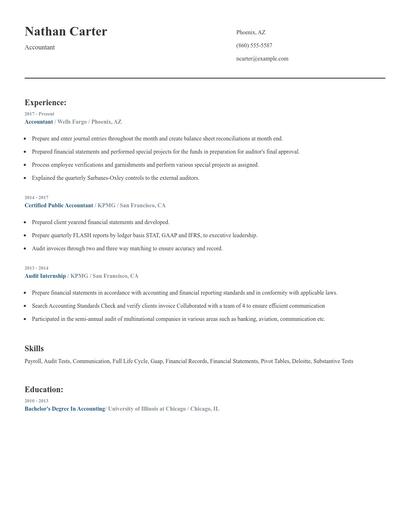
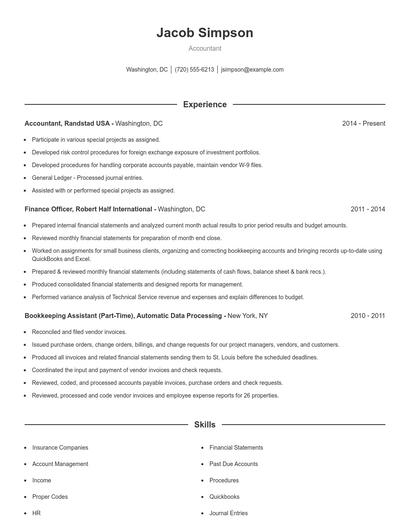
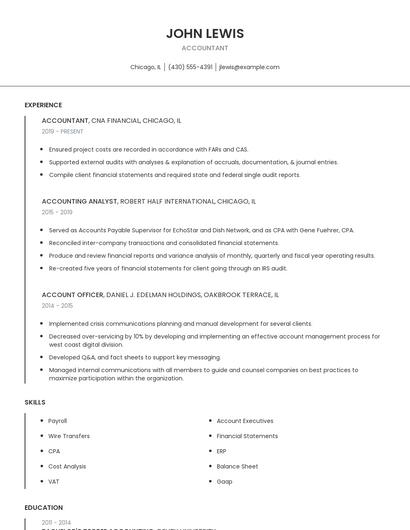
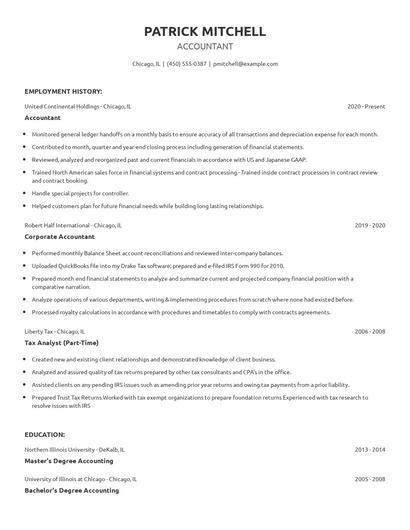
Choose from 10+ customizable resume templates
Zippia allows you to choose from different easy-to-use templates, and provides you with expert advice. Using the templates, you can rest assured that the structure and format of your resume is top notch. Choose a template with the colors, fonts & text sizes that are appropriate for your industry.