Explore jobs
Find specific jobs
Explore careers
Explore professions
Best companies
Explore companies
This question is about pharmacist.
What is the career path for a pharmacist?
The career path for a pharmacist includes jobs as a pharmacy technician, a pharmacist, and a lead pharmacist. The pharmacist career path is generally straightforward, however, there can be variance in terms of where a pharmacist will work.
There is essential knowledge and skills needed to be a pharmacist and advance along this career path. Here are some of the key areas of the pharmacist career path:
Education
You need to study pre-pharmacy courses in college to become a pharmacist. There are two college tracks you can take to become a pharmacist.
The first involves completing an undergraduate degree before moving into a pharmacological graduate program, while the second option is a combined one that incorporates all of the relevant coursework into one program.
Pre-pharmacy courses are offered as either two or four-year degrees. You need to determine what type of graduate program you want to get into in order to choose what track to take.
Recommended courses and majors for the first pharmacist educational track include biology, chemistry, microbiology, human physiology, biochemistry, calculus, and organic chemistry.
Training/b>
Many pharmacists start out as pharmacy technicians to gain the proper level of experience before receiving the superior title of a pharmacist.
On-the-job pharmacy technician training consists of a wide range of pharmacy-related tasks. In broad terms, you shadow a professional pharmacist to gain knowledge, skills, and professional experience.
Depending on the pharmacy, the on-the-job training may vary to different degrees. However, there are some standards that are universal.
Some of the main tasks and responsibilities include helping pharmacists fill prescriptions, assisting with administrative duties, such as entering customer information into databases and offering customer service to shoppers.
Pharmacy technicians can work in retail settings, chain or individual pharmacies, hospitals, and other medical practices.
Places of work for this career path
Pharmacists generally work in retail drugstores or healthcare facilities, such as hospitals, nursing homes, mental health institutions, or health clinics. Their work area typically is like a small laboratory that is clean, organized, well-lit, and well-ventilated.
Some pharmacists also work for pharmaceutical corporations that develop new medications, drugs, and vaccines. These pharmacists tend to have the highest paying salaries as an incentive for their innovations in the field, however, most pharmacists are very well-paid.

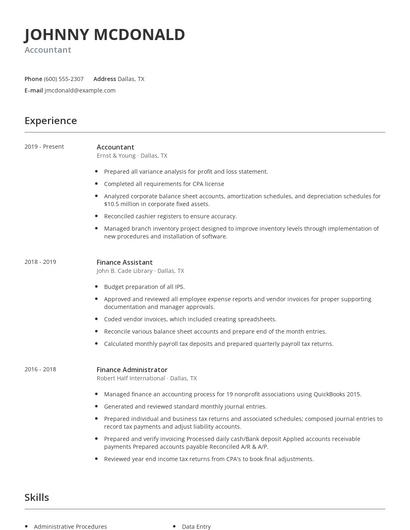
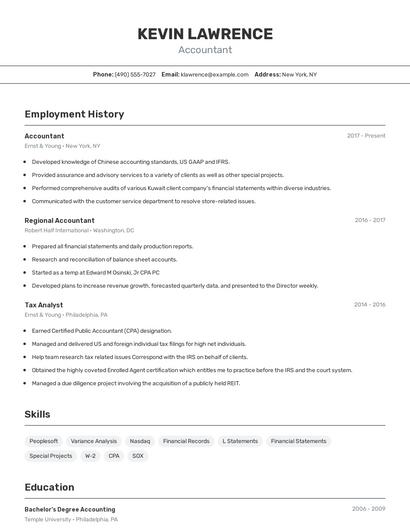
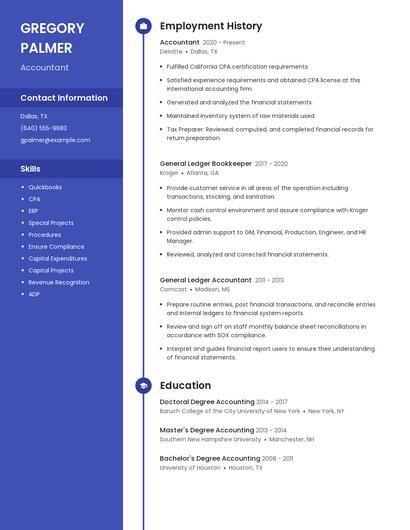
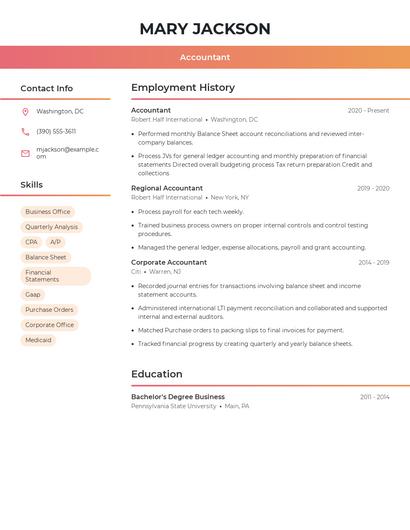
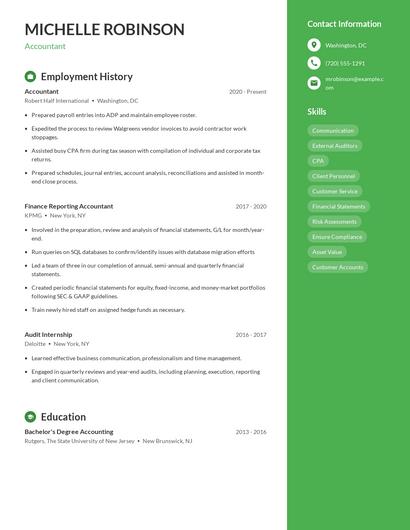
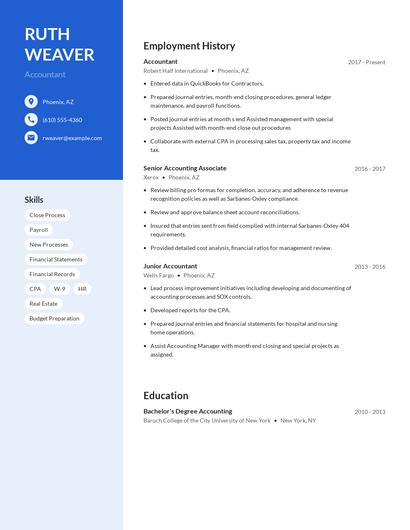
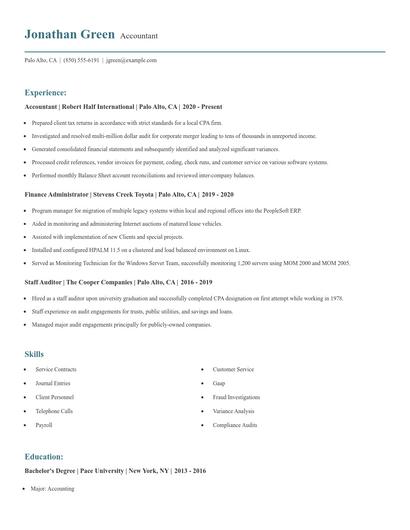
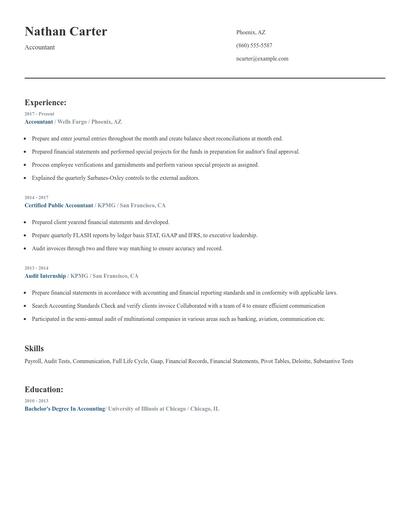
Choose from 10+ customizable resume templates
Zippia allows you to choose from different easy-to-use templates, and provides you with expert advice. Using the templates, you can rest assured that the structure and format of your resume is top notch. Choose a template with the colors, fonts & text sizes that are appropriate for your industry.