Explore jobs
Find specific jobs
Explore careers
Explore professions
Best companies
Explore companies
This question is about engineer.
What is the career path for an engineer?
The career path for an engineer involves jobs as a staff engineer, senior engineer, and principal engineer. These are the jobs included in the traditional engineering career path. However, for engineers working in other industries, such as tech, the career path is different and includes other roles.
Almost every engineer has at least a bachelor's degree in their specific engineering field. Many also hold master's degrees and professional certifications to obtain higher-level engineering roles with competitive salaries. Here are some of the different career paths in engineering:
Industrial engineering
Mechanical engineering
Electrical engineering
Civil engineering
Software engineering
Environmental engineering
Big data engineering
Chemical engineering
Aerospace engineering
Biomedical engineering
Nuclear engineering
While some engineering fields have transferable knowledge and skills to other fields, some do not. However, there are some common soft skills that nearly every engineer needs to advance on their specific engineering career path, which includes:
Communication (both written and verbal + listening and speaking)
Creativity
Collaboration
Time management
Conflict resolution
Problem-solving
Critical thinking
Organization
Teamwork
Adaptability and flexibility
While each engineering career path can differ in terms of roles and responsibilities, in general, most engineering companies structure the engineering hierarchy in this manner, starting with the lowest role and ascending toward the highest:
Staff Engineer
Senior Staff Engineer
Principal Engineer
Distinguished Engineer
Depending on the scale of the organization, principal engineers can have a career path and hierarchy dedicated specifically to them. Here is a common principal engineering hierarchy, from lowest role to highest role:
Principal Engineer
Senior Principal Engineer
Distinguished Principal Engineer
Fellow Engineer
Here is a quick look at some of these specific engineering roles on a typical engineering career path:
Staff engineer
A staff engineer reports directly to the directors of engineering. Staff engineers design, build, and test structures, products, systems, services, or equipment depending on their specialty.
They are employed in various industries and mainly specialize in civil, mechanical, industrial, or electrical engineering. Staff engineers, such as staff software engineers, may also work in the technology space.
Senior Engineer
Senior engineers are professionals who receive this title through experience. They may handle several projects simultaneously, performing engineers' tasks and providing team guidance.
These engineers are highly technical and ensure teams apply common engineering principles and concepts to their own teams' responsibilities.
Principal Engineer
A principal engineer is a professional who oversees other engineers in different departments and contributes to multiple projects at one time. A principal engineer has many years of experience and training in particular or multiple engineering fields.
They oversee and manage engineers in a specific department or several different departments. Leadership is a crucial component of a principal engineer's job.
Some of their responsibilities include planning engineering strategies for a company, managing several departments and figuring out goals for each, and writing and managing engineering budgets.

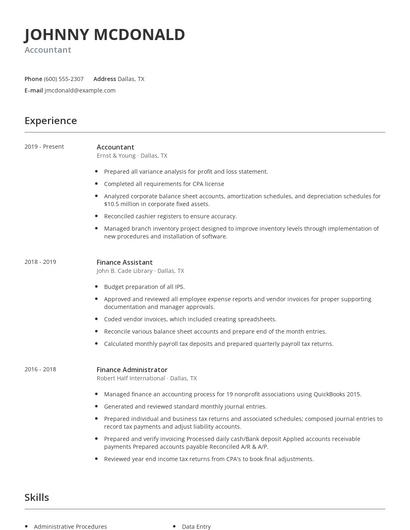
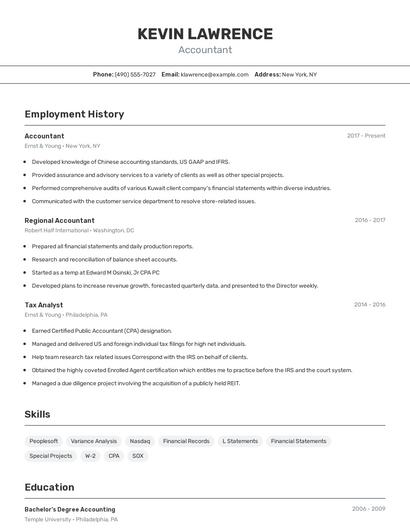
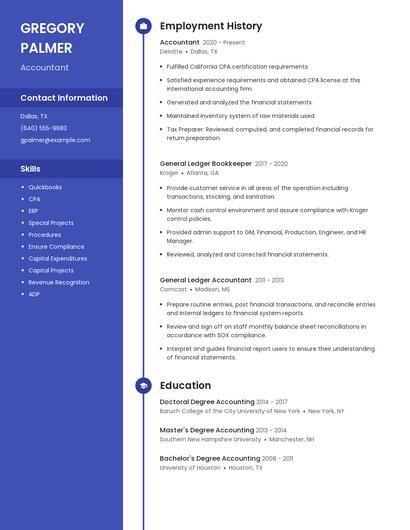
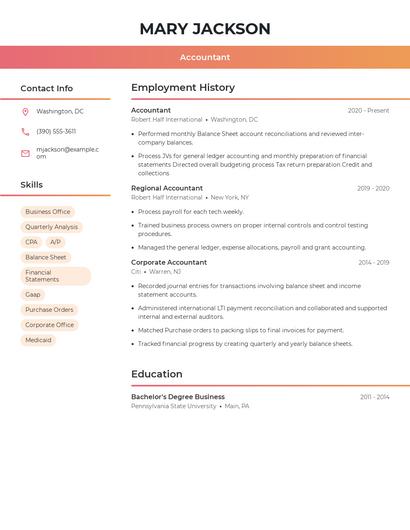
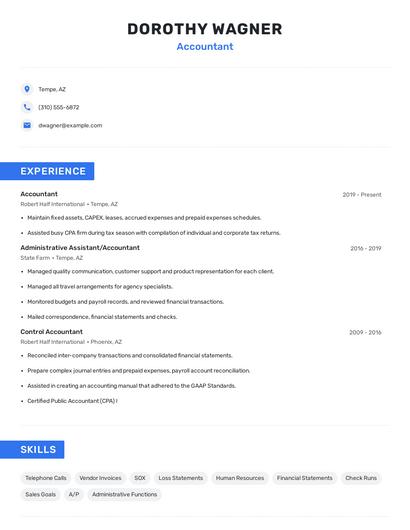
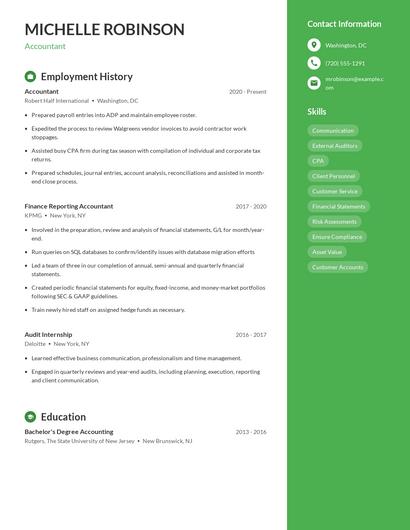
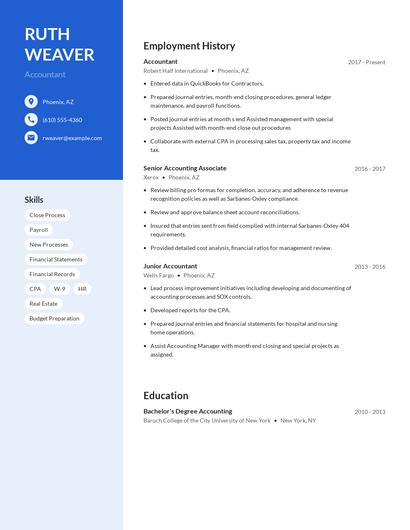
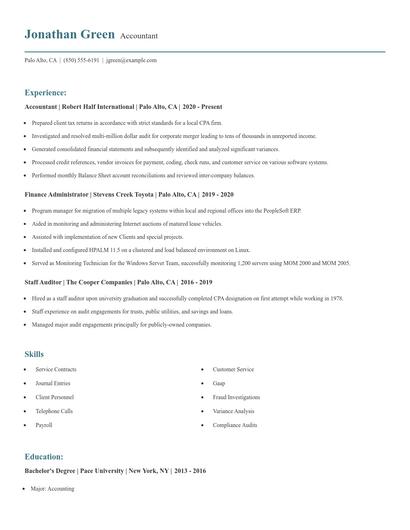
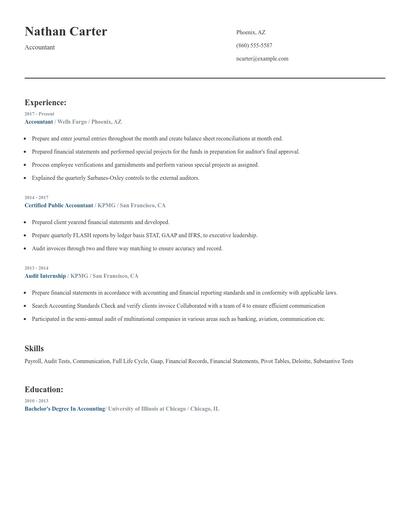
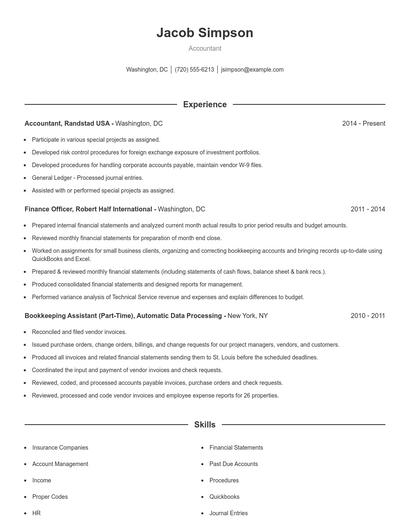
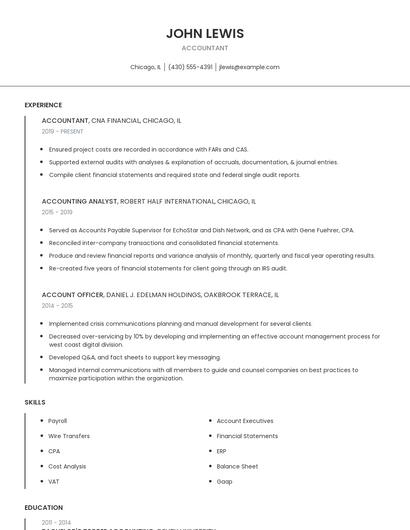
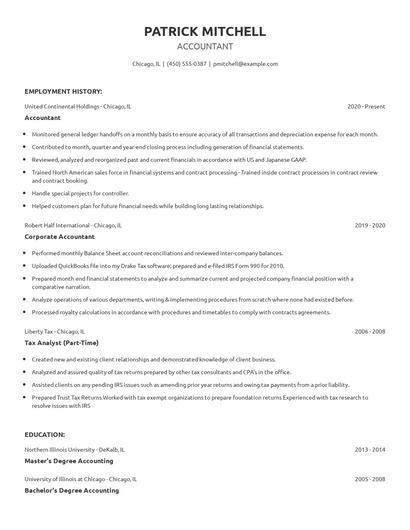
Choose from 10+ customizable resume templates
Zippia allows you to choose from different easy-to-use templates, and provides you with expert advice. Using the templates, you can rest assured that the structure and format of your resume is top notch. Choose a template with the colors, fonts & text sizes that are appropriate for your industry.