Explore jobs
Find specific jobs
Explore careers
Explore professions
Best companies
Explore companies
This question is about analyst.
Is it hard to be an analyst?
Yes, it is hard to be an analyst. Being an analyst means you should not only be skilled in numeracy and statistics but also having an understanding of business processes and information technology (IT).
An analyst gathers, interprets, and uses complex data to develop actionable steps that will improve processes and optimize results. Day-to-day, they assess company and client needs, receive robust information, analyze it, and look for telltale trends or areas for improvement.
Becoming a business analyst is harder than getting an operational role but easier than getting a technical role.
To be an analyst usually means having at least a bachelor's degree (although a small percentage of analysts are self-taught and do not have college degrees), several years of experience (in your industry or working as an analyst in another industry), the ability to speak two languages: business and tech, and of course comprehensive data skills.
An analyst needs to have solid technical expertise in formulating database designs, data models, data mining skills, and segmentation techniques.
A solid grasp of reporting techniques, databases (SQL and no-SQL), programming experience, and programming concepts is crucial for this role. Analysts need to have experience with statistical tools such as Excel, SPSS, and SAS.
Overall, an analyst serves in a general role by collecting and analyzing data throughout the entire company, while others may focus primarily on one subject matter or department. There are many different hats that analysts can wear, and each hat requires its own unique skill sets and challenges. There are many different types of analysts, including -
Software Analysts evaluate the scope of the company's software project, determine the users' needs and requirements of the programs, and then report this information to the Software Developers.
Business Analysts focus less on gathering and analyzing data and more on using pre-analyzed data to make business decisions and implement valuable changes to the company's operations.
A Data Analyst employee will collect and analyze the data for the Business Analyst to interpret and build projects.

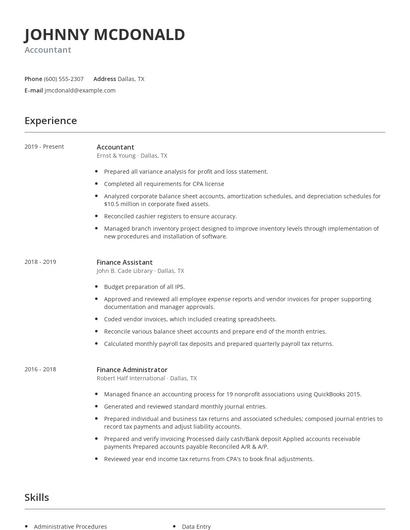
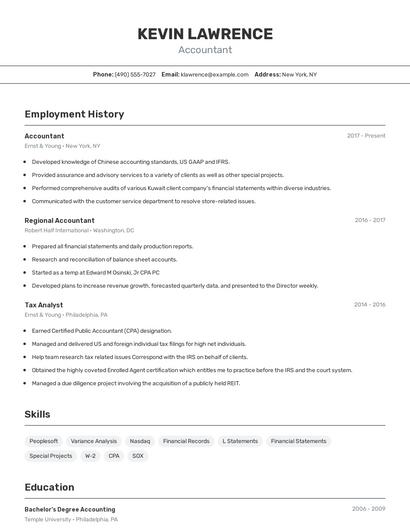
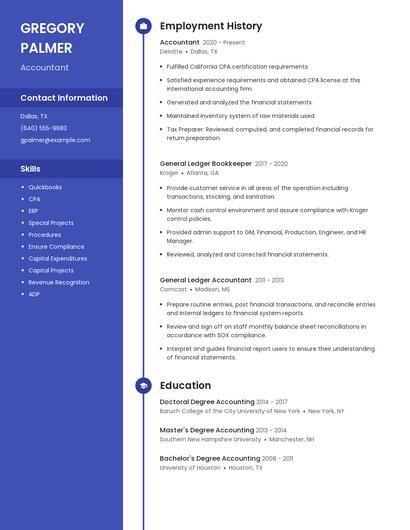
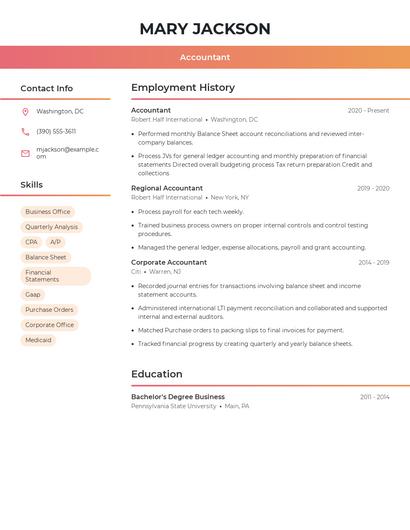
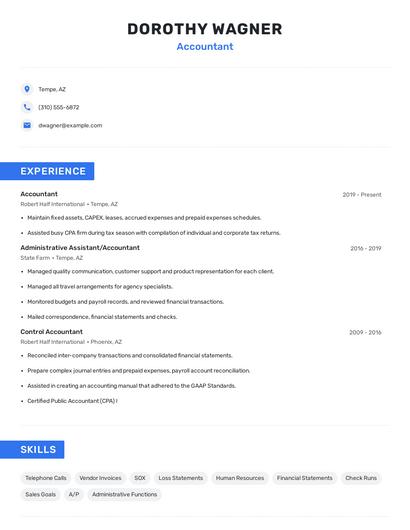
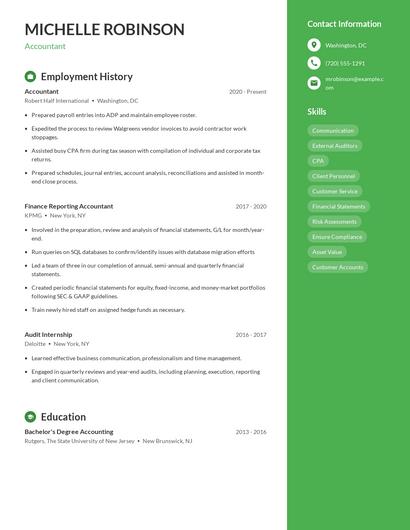
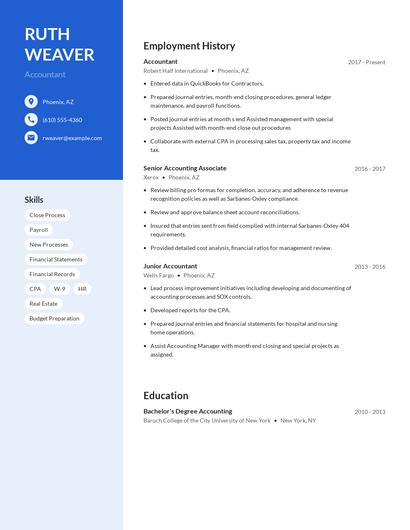
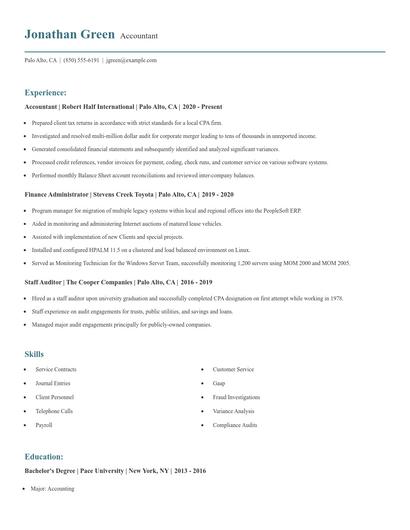
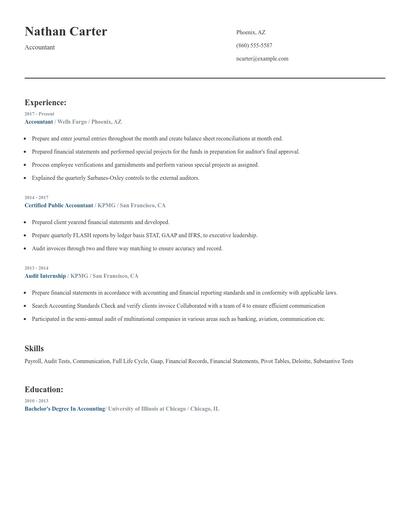
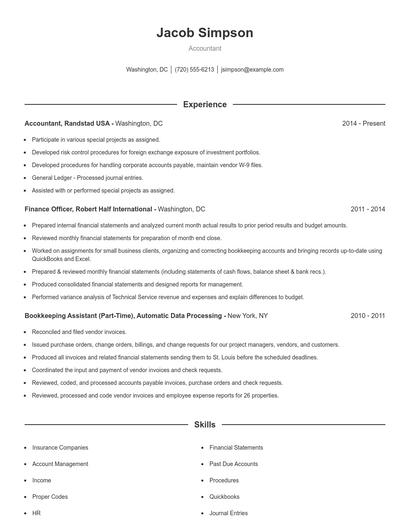
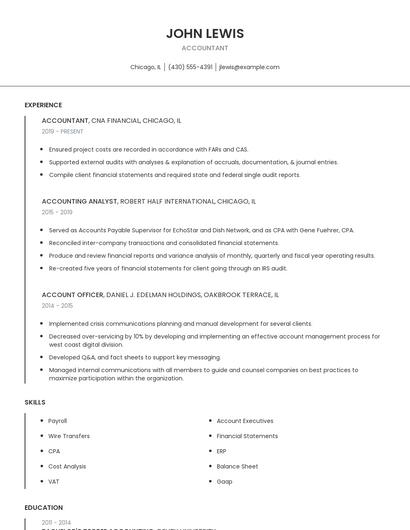
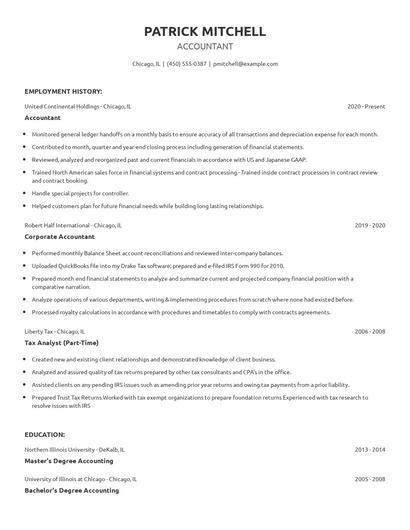
Choose from 10+ customizable resume templates
Zippia allows you to choose from different easy-to-use templates, and provides you with expert advice. Using the templates, you can rest assured that the structure and format of your resume is top notch. Choose a template with the colors, fonts & text sizes that are appropriate for your industry.