Explore jobs
Find specific jobs
Explore careers
Explore professions
Best companies
Explore companies
This question is about what a manager does.
Product Lead vs. Product Manager
A product lead is a professional who takes an active role in determining the direction of a product, while a product manager is a professional who oversees the development, creation, marketing, and selling of a product.
A product lead is an experienced product manager who leads the development efforts for a critical new product. Companies typically use the product lead role when developing a complicated product that requires the work of multiple product teams. The product lead may handle several different teams, each with its own product manager.
A product manager oversees the entire journey of a product. From the conception, development, creation, marketing, and then the selling of the product. A product manager is the person who makes the final decisions concerning a product. They gather information from the team working under them, including product analysts, and decide the specific plans for a product. They are also very involved in determining the target consumer base for a product.
Though the roles have many similarities, here are the key differences between a product lead and a product manager:
A product lead takes an active role in determining the direction of a product or products
A product manager oversees the entire journey of a product, from conception to selling
Product leads may have several teams and product managers working under them
Product managers never have product leads working under them
Product leads tend to be more experienced than product managers
Product leads have higher salaries than product managers
When it comes to responsibilities, both product leads and product managers play crucial roles in the product lifecycle. However, their focus areas and scopes of work differ significantly.
The product lead is essentially a strategic role. They spend significant time understanding market trends, customer needs, and the competitive landscape. They define the product vision and strategy, setting the direction for the product teams. They also prioritize which products or features to develop based on the company's business goals. This often involves making tough decisions about what not to do, as resources are always limited.
In contrast, the product manager is more tactical. They work closely with cross-functional teams - including engineering, design, marketing, and sales - to execute the strategy set by the product lead. They are responsible for creating detailed product requirements, managing the product backlog, conducting user testing, and coordinating product launches. They are also in charge of tracking product performance and making necessary adjustments to meet business objectives.
In terms of skills required, both roles require a deep understanding of customers and the ability to translate customer insights into product features. They both need strong communication and leadership skills to influence and coordinate with various stakeholders. However, product leads generally require more strategic thinking and decision-making skills, while product managers need more project management and problem-solving skills.
Regarding career progression, many product managers aspire to become product leads. This is a natural progression as it allows them to leverage their product knowledge and experience while taking on more strategic responsibilities. However, becoming a product lead also requires demonstrating a track record of successful product launches and a proven ability to drive business results.
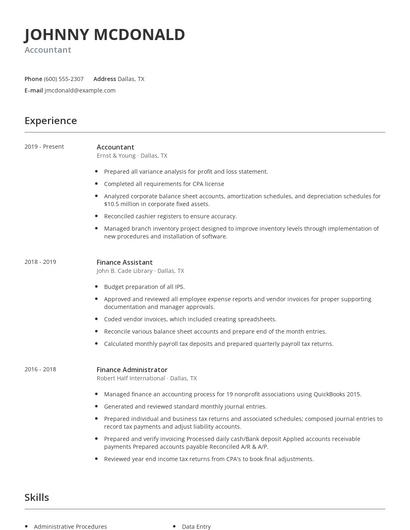
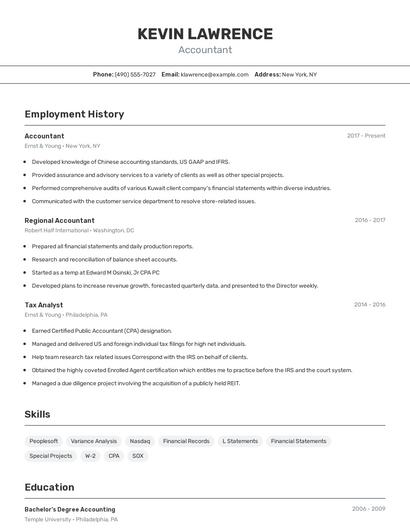
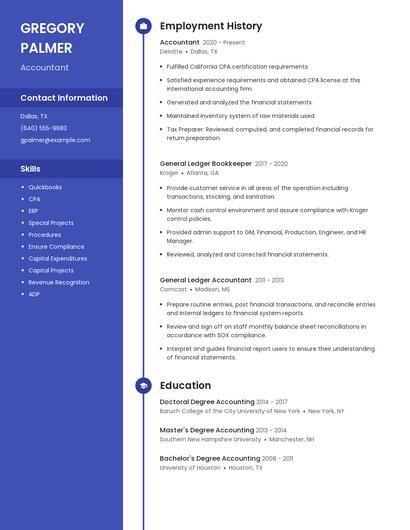
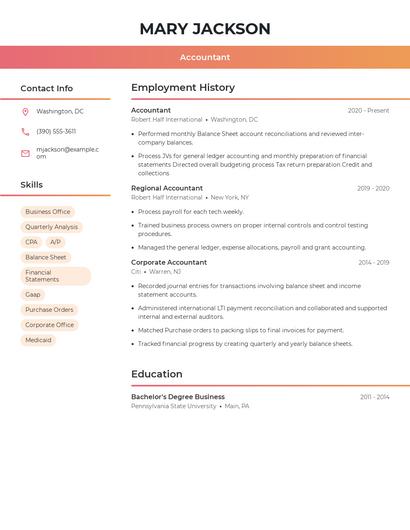
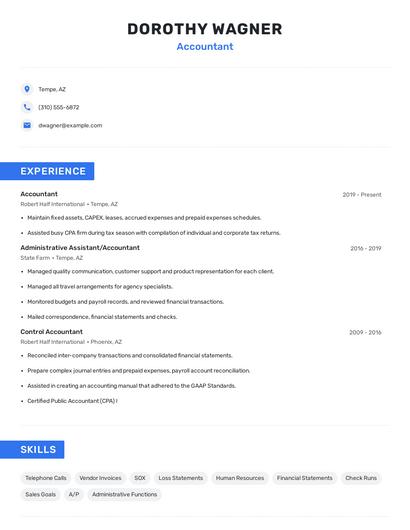
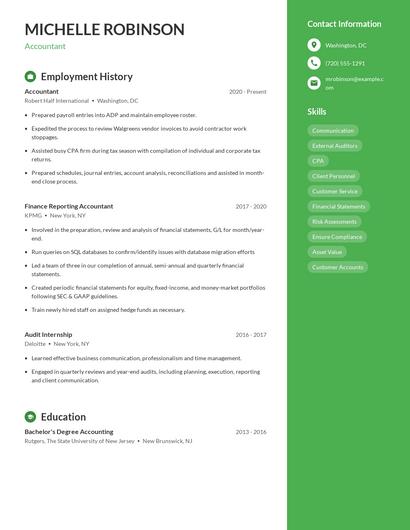
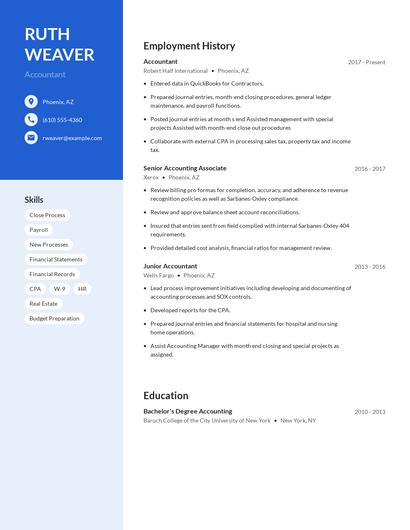
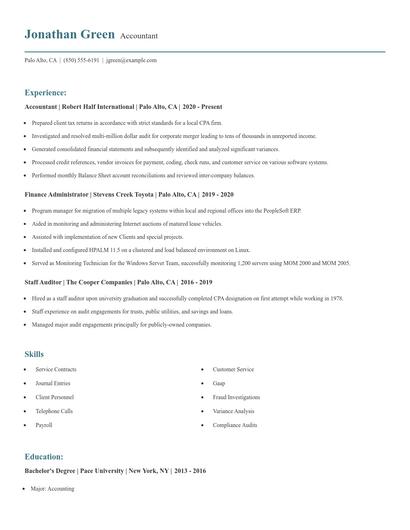
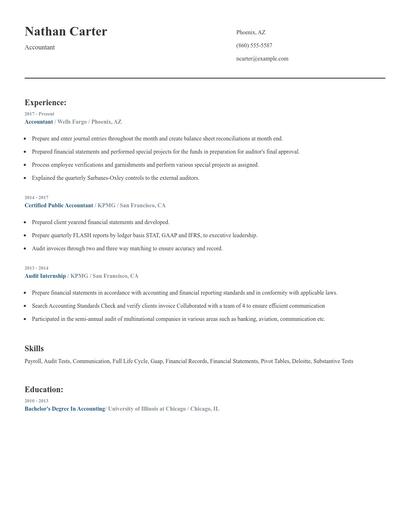
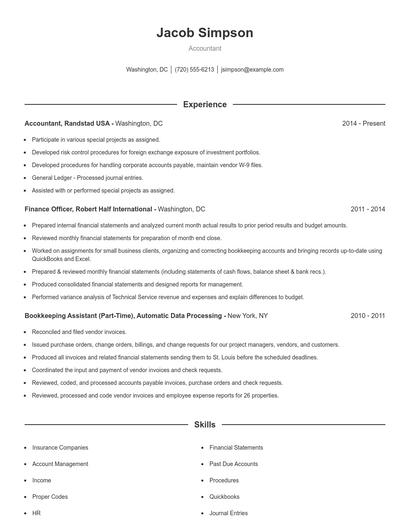
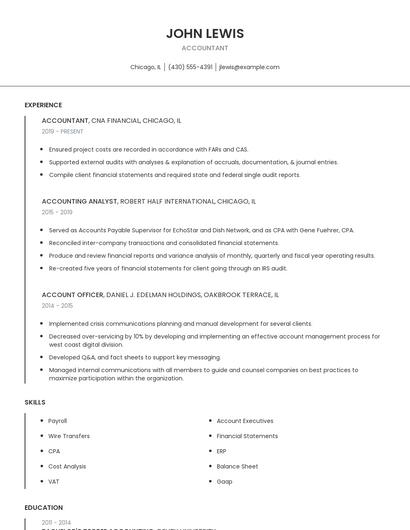
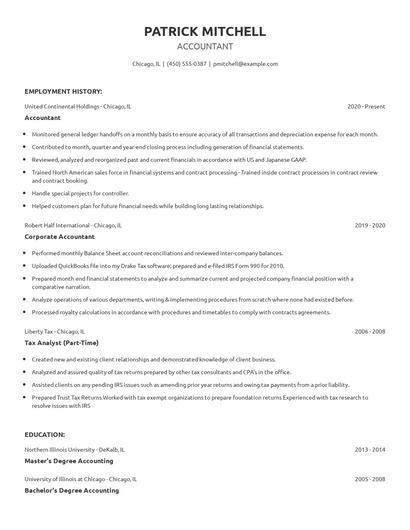
Choose from 10+ customizable resume templates
Zippia allows you to choose from different easy-to-use templates, and provides you with expert advice. Using the templates, you can rest assured that the structure and format of your resume is top notch. Choose a template with the colors, fonts & text sizes that are appropriate for your industry.