Explore jobs
Find specific jobs
Explore careers
Explore professions
Best companies
Explore companies
This question is about chef certifications.
What are chef qualifications?
Chef qualifications include cooking training and a number of skills associated with being a chef.
Formal education is not a requirement for becoming a chef; however, there are programs that can provide chef training. These offer courses that specialize in the knowledge and skills needed to be a chef.
Here are some of the essential skills and qualities chefs need:
Stress management. The position of a chef can be stressful, and you need to understand how to manage that stress without letting it consume you. There are many ways to handle high-stress kitchen environments and different tactics you can employ. However, having an even-keel temperament can go a long way in this area.
Multitasking. You need to be able to pay attention to multiple tasks at the same time; this includes the different parts of a recipe that might have to be prepared simultaneously and remembering what specific dishes guests have ordered. You also need to be able to prepare multiple meals at once. Multitasking is a critical skill for chefs.
Communication. Communication is one of the most important skills for chefs. You must be able to communicate with the other chefs in your kitchen and also engage with the front of the house. Sharing information on recipes and meal prep needs to be as clear and concise as possible.
Dexterity. Your manual dexterity is of critical value in the kitchen when doing intricate chopping and operating different cooking instruments.
Attention to Detail. A chef needs to be precise in ordering food products and other supplies that are needed for their kitchen. They must also be accurate in terms of measuring ingredients for a dish or determining what time to cook certain meal items.
Cleanliness. You must know how to keep a kitchen clean. Unsanitary conditions can affect the overall quality of the food you serve, as well as your reputation as a chef. And even worse, unsanitary conditions can force a restaurant to close down.
Organization. Organization is crucial for chefs. Working in kitchens where many orders need to be prepared on time and properly means a good chef is one that has strong organizational skills. These also come into play when multitasking.
Creativity. Chefs must have creativity. They need the imagination to come up with new menu items that will increase the customer base of their restaurants and keep customers coming back to try their latest delicious creations. This means being open-minded in terms of trying new menu items and improving older recipes.
There are also many different roles chefs can have in a kitchen, and each requires a different amount of experience and qualifications. Here are the most common chef positions in a kitchen, going from the highest-ranking chef to the lowest-ranking chef:
Executive Chef. Not all restaurants have executive chefs. They are reserved for large-scale restaurants, including some chains, and those at hotels, resorts, cruise lines, and other venues. Executive chefs generally do very little actual cooking. Their primary work task is to manage the kitchen staff and the kitchen itself.
Duties include managing and training personnel, planning menus, overseeing the culinary budget, and sometimes kitchen purchases. All executive chefs have a lot of experience in lower-level chef roles, as they need to understand how every aspect of a kitchen operates effectively.
Head Chef. The head Chef, also referred to as the Chef de Cuisine, is at the top of the hierarchy in a kitchen that does not have an executive chef. They also control all aspects of a kitchen.
Responsibilities include creating menus and special meals, controlling kitchen costs, and overseeing kitchen staff. Some head chefs opt to leave the cooking to the sous chefs and the rest of the kitchen team, while others take a more hands-on approach and prefer to be a part of the daily cooking activities.
Deputy Chef. The deputy chef, also known as the sous chef, is the second in command in a kitchen. Some restaurants have several sous chefs, while others only have one.
Some duties of the sous chef may overlap with the head chef, although a sous chef is always going to be a hands-on chef, participating in much of the cooking and other kitchen duties. The sous chef oversees the subordinate kitchen staff and the daily activities in the kitchen.
Station Chef. The station chef, also referred to as the Chef de Partie, has perhaps one of the most critical participating roles in the kitchen. These chefs cook the meals that are being brought out to the customers of a restaurant. However, normally there are multiple positions for a station chef, meaning there are usually several station chefs in a kitchen.
Each chef is responsible for a different "station", and there are chefs that are devoted to different food categories. Station assignments may include fish cooking, meat cooking, sauce making, vegetables, sauteing, and pastries.
Junior Chef. The junior chef is also known as the Commis Chef. They work with the station chefs to learn and become trained in the kitchen environment. This is an entry-level position in a kitchen, one most chefs, no matter their current rank, have done at some point in their careers.

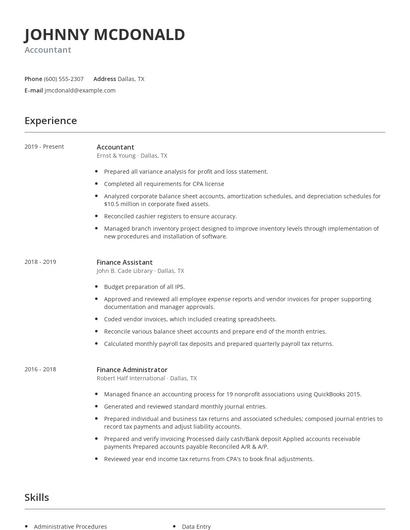
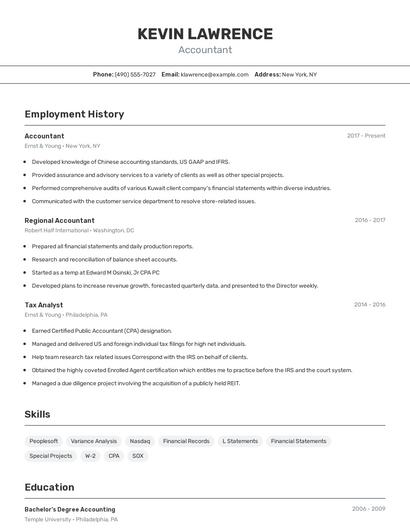
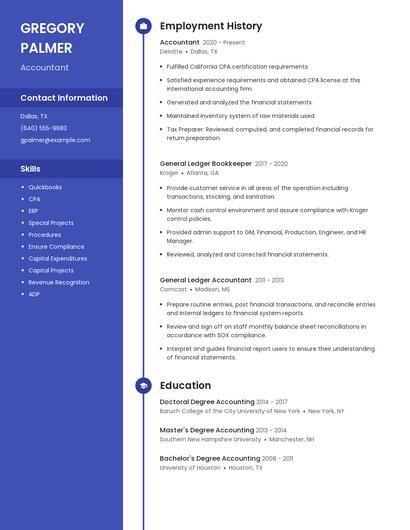
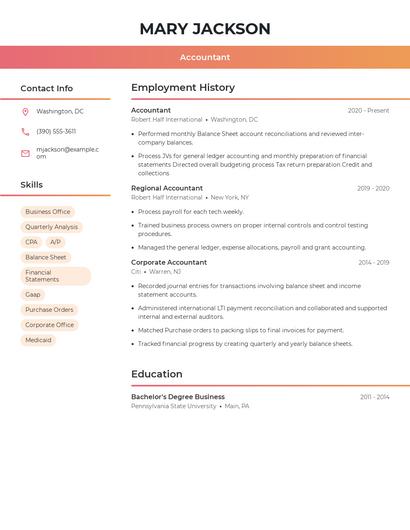
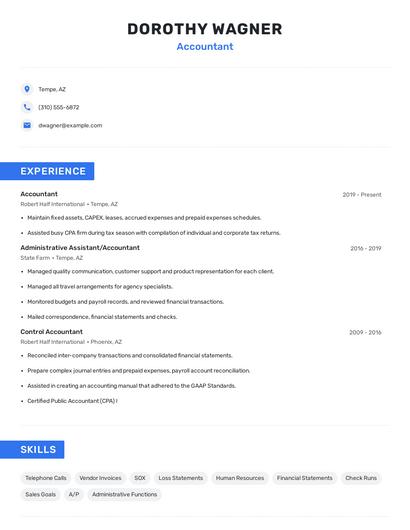
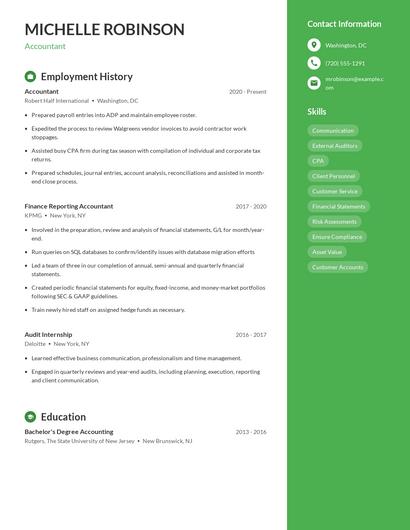
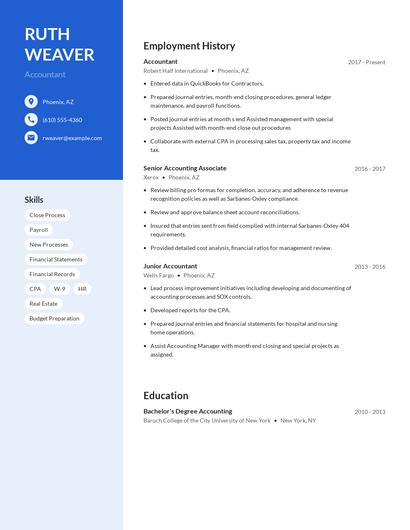
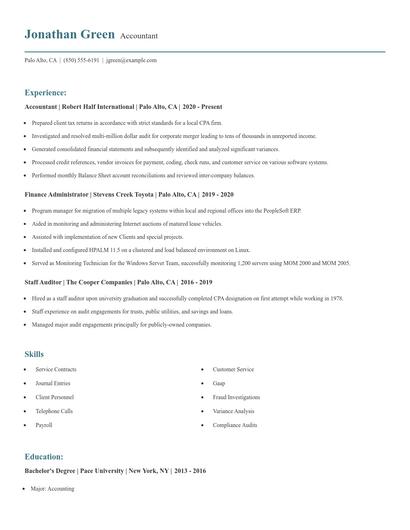
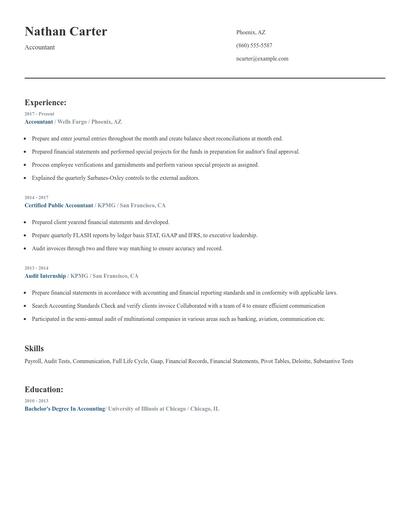
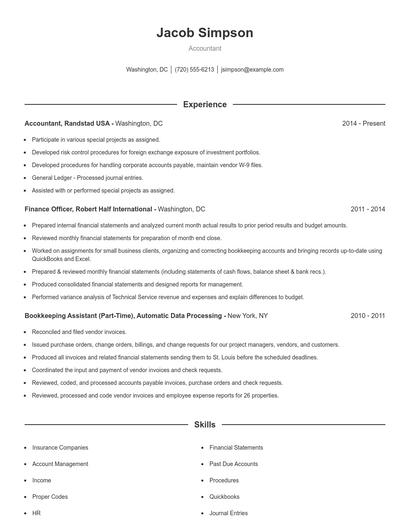
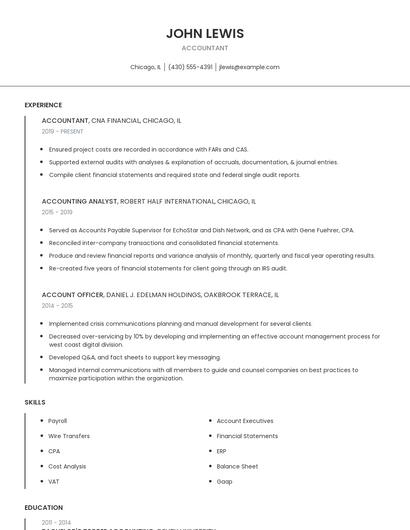
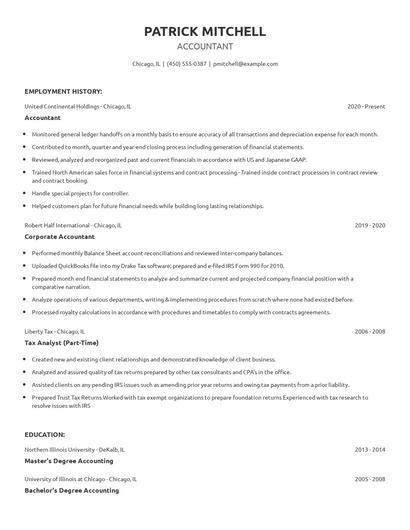
Choose from 10+ customizable resume templates
Zippia allows you to choose from different easy-to-use templates, and provides you with expert advice. Using the templates, you can rest assured that the structure and format of your resume is top notch. Choose a template with the colors, fonts & text sizes that are appropriate for your industry.