Explore jobs
Find specific jobs
Explore careers
Explore professions
Best companies
Explore companies
This question is about what a communications specialist does, what a marketing communications specialist does, and communications specialist.
What degree do you need to be a communications specialist?
The most common degree for communications specialists is a bachelor's degree in communications. This is not surprising, but there are many other degree paths that provide useful and necessary skills to achieve this role.
These include English, business, journalism, marketing, and public relations. All of these degree paths have one thing in common: they prioritize training a student to communicate well. These are all programs that have a heavy focus on written and spoken communication.
An English or journalism degree will focus more on written communications. They will teach a student how to navigate various forms of writing, from articles to whitepapers to essays. This degree will help communications specialists who primarily work in internal or marketing communications focus on written communications.
Communications and marketing degrees are the most directly applicable to communications specialists. These degrees look to teach a student the various ways that business needs and communications combine to support business growth.
Finally, Business and Public Relations degrees can also be useful, but they typically train a person primarily in verbal communications. If your desired job is focused more on event communications and planning, or giving presentations about business updates, then these degrees will be more useful.

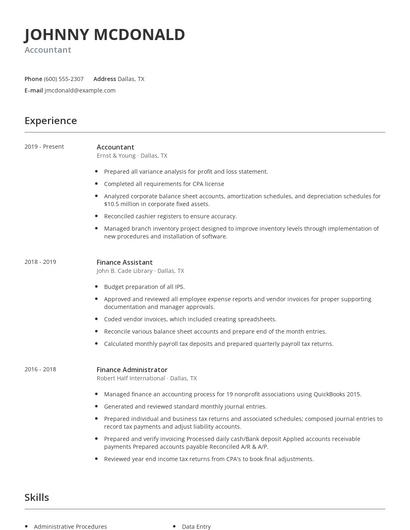
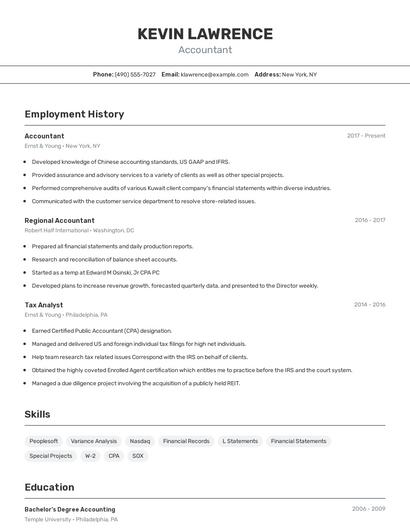
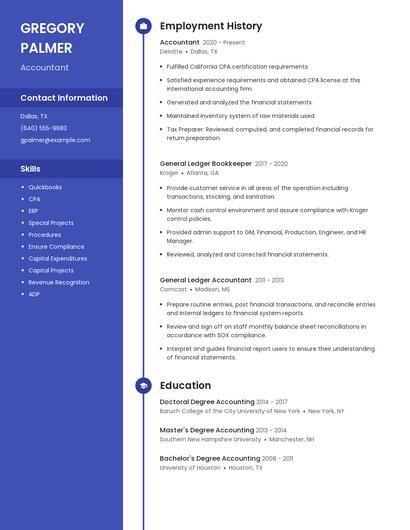
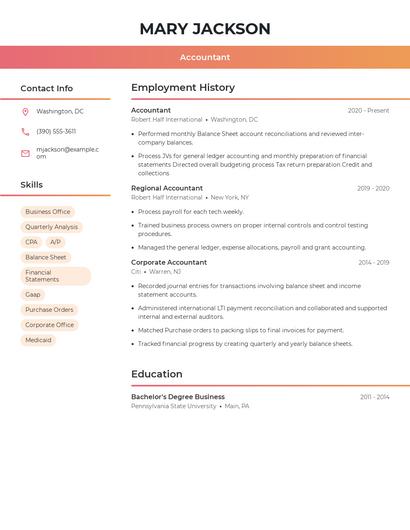
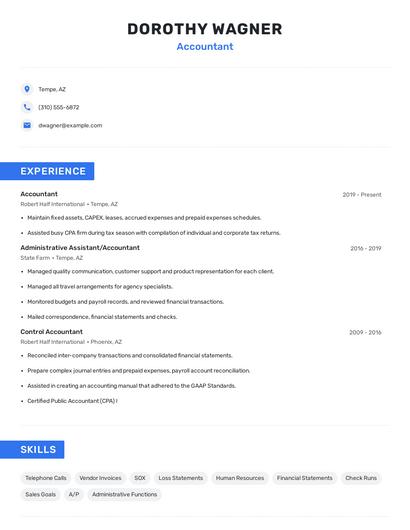
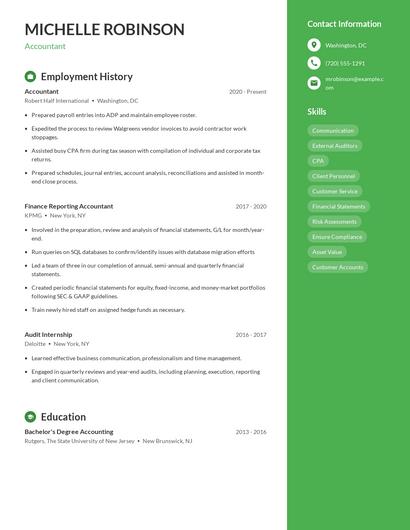
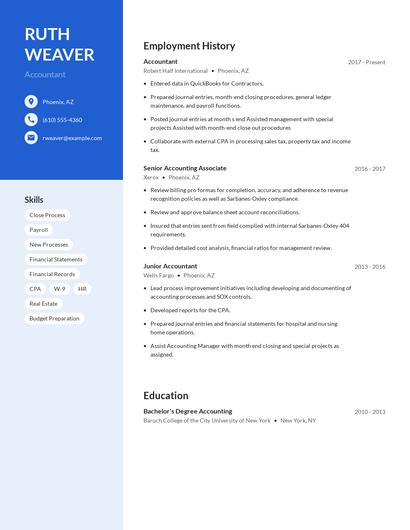
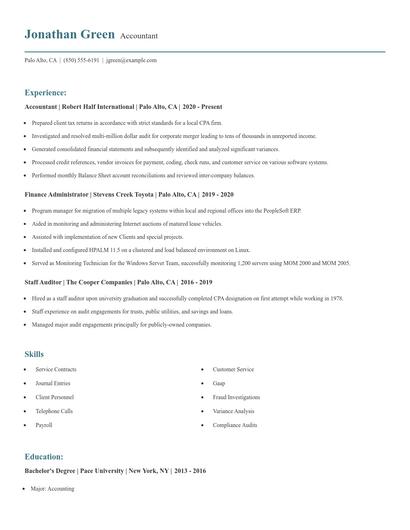
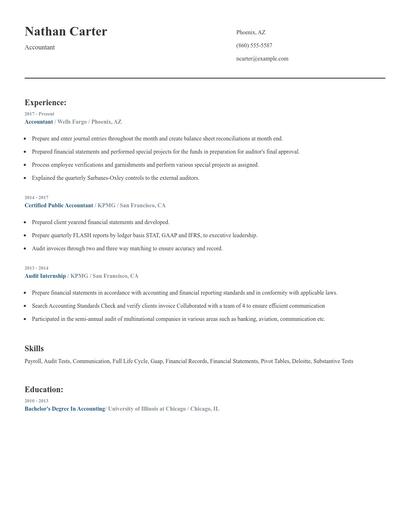
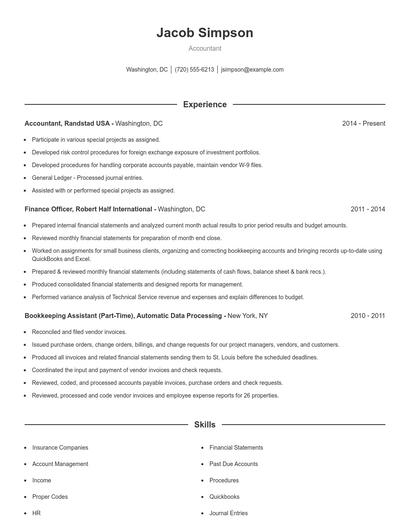
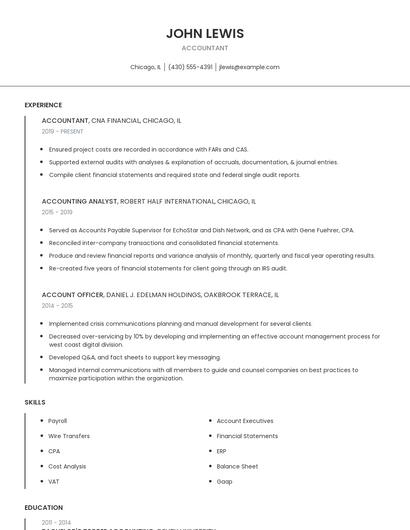
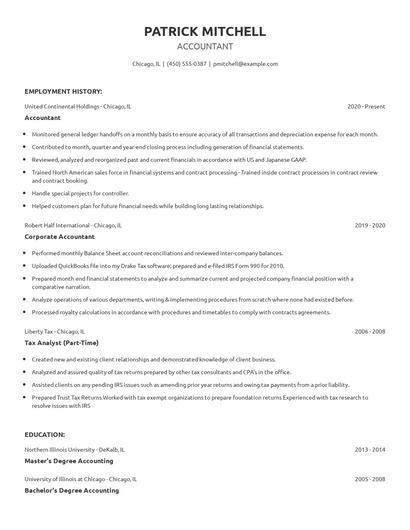
Choose from 10+ customizable resume templates
Zippia allows you to choose from different easy-to-use templates, and provides you with expert advice. Using the templates, you can rest assured that the structure and format of your resume is top notch. Choose a template with the colors, fonts & text sizes that are appropriate for your industry.