Explore jobs
Find specific jobs
Explore careers
Explore professions
Best companies
Explore companies
This question is about brand manager.
What is the branding hierarchy?
The branding hierarchy is the systematic branching structure of a brand's distinctive elements for its sub-products. Essentially, it's the organizational structure that determines how your brand operates, how people perceive it, and how they will interact with it.
The way that an organization structures its brand hierarchy can have a positive impact on its success, but it can also have a negative impact. To that end, it is important to understand how it works and how to make it work for you. Many companies choose to use the "Parent/Child" hierarchy, but this can be implemented in very different ways.
A classic example of the "Parent/Child" hierarchy is Apple. This organization has a strong brand hierarchy, with Apple itself serving as the parent brand to its child brands like iPhone, Macbook, Airpods, iPad, etc. The parent vs. child product brands are able to function in different ways while carrying out different messaging strategies.
For example, the Apple parent brand focuses on technology and innovation with uncompromising design. Therefore, child brands don't have to spend as much time talking about this important topic. They can dive right into the technical features and lifestyle aspects of their individual products, liberated by their parent brand.
The Coca-Cola Company is another example of a "Parent/Child" hierarchy, but they function very differently from Apple. The Coca-Cola model is different due to the vast number of products that Coca-Cola has.
Each individual child brand, like Fanta, Sprite, Dasani, etc., doesn't always relate to Coca-Cola because many consumers may not even be aware of the parent-child relationship. However, the child brands all share relatively the same audiences, so they don't really have to group up.
Another example of this hierarchy that functions very differently from Apple and Coca-Cola is Procter Gamble. Procter Gamble has many brands with similar products, but they have different audiences.
This leads to a unique parent-child relationship where the general categories of products are known by their brand names, but the parent company isn't. For example, you're definitely aware of Procter Gamble's baby diaper brands like Luv and Pampers, but you likely don't consider the name Procter Gamble when looking for these products.
In other words, the messaging and overall marketing strategy is pointed at the individual brands and products, not the parent company at all.
When determining how to structure the hierarchy for your organization, it is important to determine what your brands are and how they interact with each other (or don't). You need to examine your branding hierarchy and approach it strategically because it will be the basis for your entire marketing strategy and tactics.

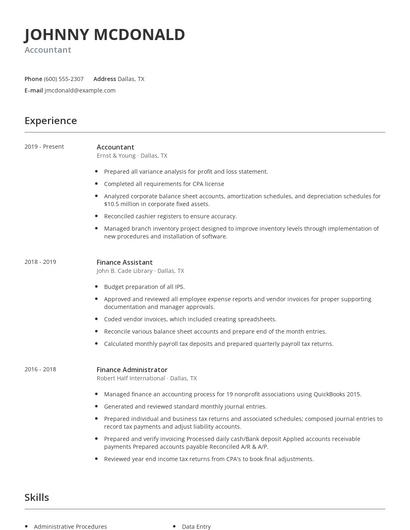
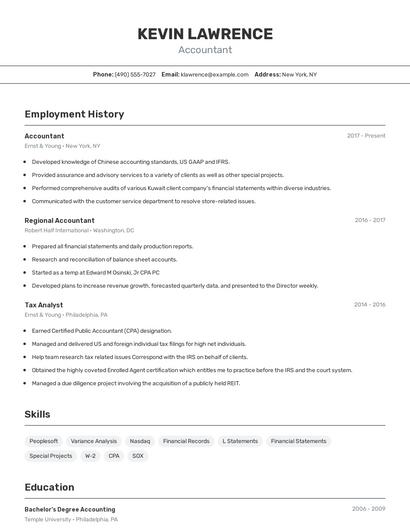
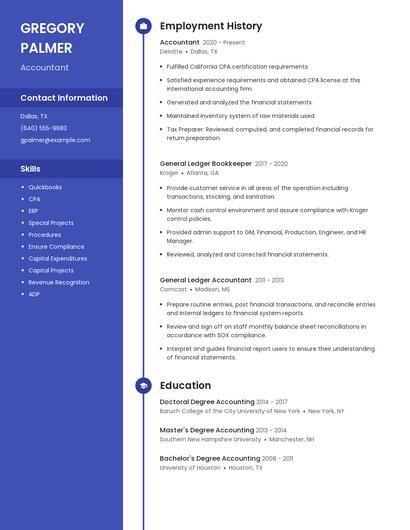
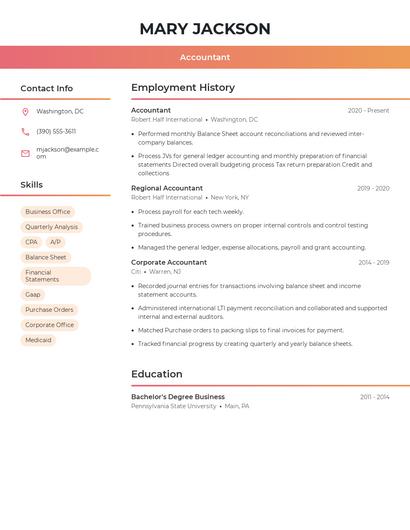
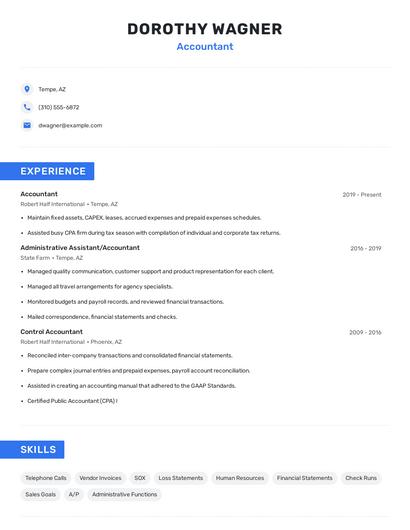
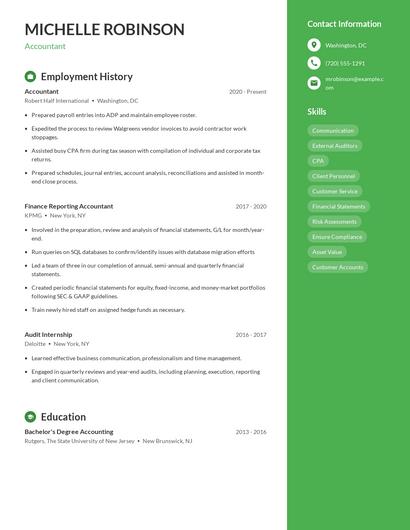
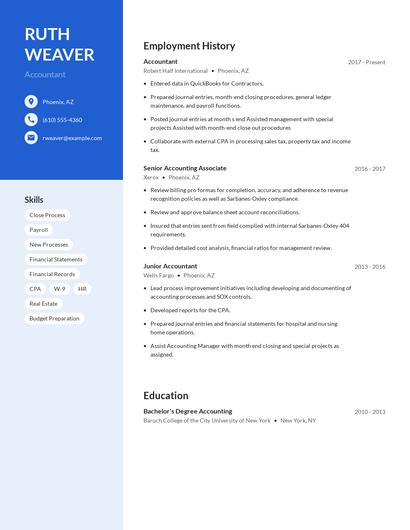
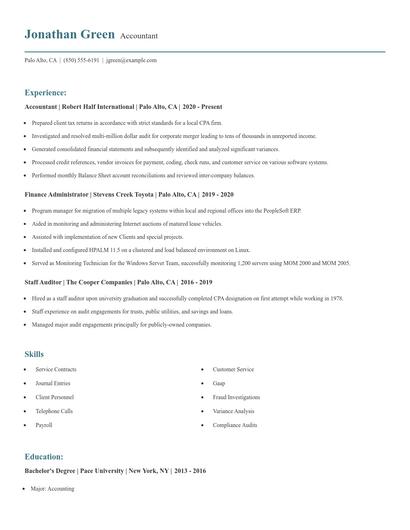
Choose from 10+ customizable resume templates
Zippia allows you to choose from different easy-to-use templates, and provides you with expert advice. Using the templates, you can rest assured that the structure and format of your resume is top notch. Choose a template with the colors, fonts & text sizes that are appropriate for your industry.