Explore jobs
Find specific jobs
Explore careers
Explore professions
Best companies
Explore companies
This question is about senior manager.
What level is senior manager?
A senior manager is the second level of management. There are three levels of management. These are manager, senior manager, and general manager.
Within each of these levels are further sublevels and various job titles. For example, a manager can start as an associate manager then become a senior associate manager before being promoted to a senior manager position.
A manager is considered the first level of management. A manager usually supervises employees directly, or in larger companies, a second-level manager might be a manager who manages supervisors.
The duties and responsibilities of a first-line manager are similar to those of a supervisor. However, the general manager has more responsibility for personnel, more HR responsibility, and more discretion. They usually supervise a small group of employees doing the same or similar work. The manager usually has a minimum of one to four years of experience.
The second level (or third level sometimes in larger companies) is a senior manager. The responsibilities of a senior manager are essentially the same as those of a manager. They are responsible for the administrative and functional direction of a group of employees. They generally have more discretion and greater financial authority than other managers. A senior manager has between five to nine years of management experience.
The third level (or fourth in larger companies) is known as the general manager or executive. A general manager often oversees all the functions of a company by supervising the managers of those functions.
The general manager is also the company's hiring authority, although they may also delegate that authority to subordinate managers. It usually takes over ten years in a senior management role to become a general manager.
In the hierarchy of management structure, a senior manager holds a position that is one level higher than a regular or first-line manager but is below a general manager or executive. This management level is often associated with larger businesses that require multiple tiers of management due to the scale of their operations.
A senior manager typically oversees the work of several managers or departments, ensuring that business goals are met and strategies are implemented effectively. They might also be involved in strategic planning and decision-making, contributing to the overall direction of the company. Consequently, this role requires a fair amount of experience and expertise.
Ultimately, senior managers are at an intermediate level in the management hierarchy - above first-line managers but below general managers or executives. This position carries significant responsibilities and requires considerable experience, making it a critical organizational role.

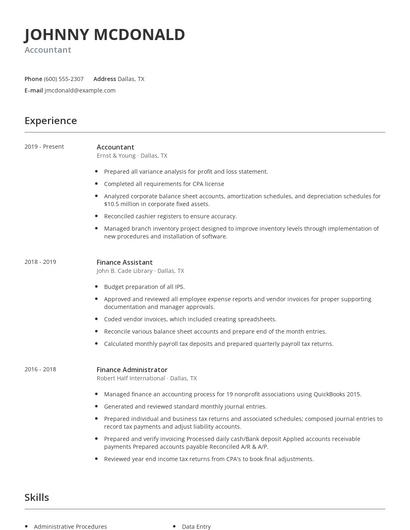
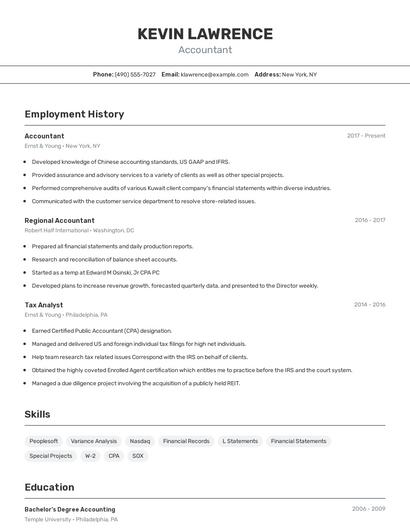
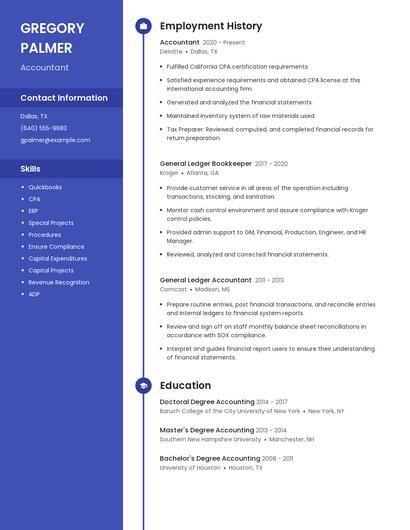
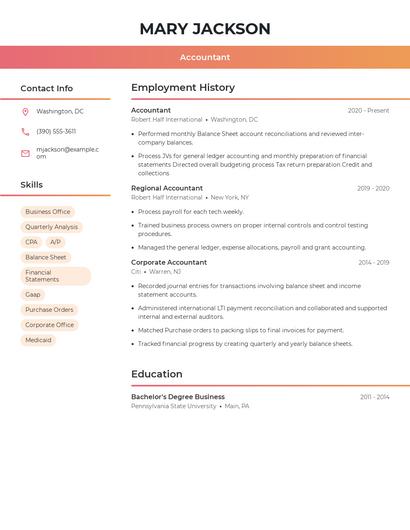
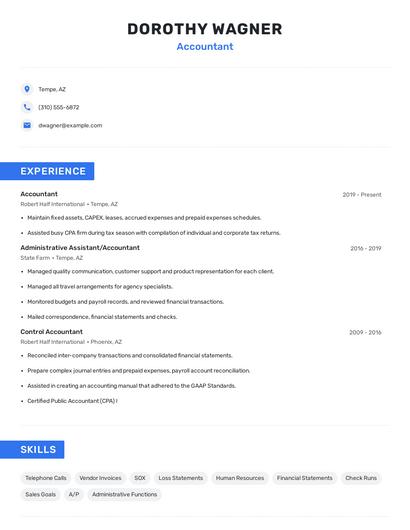
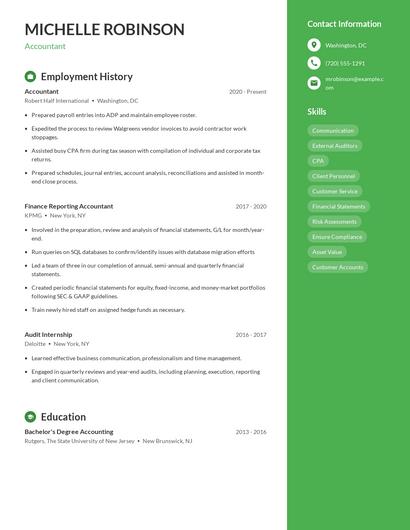
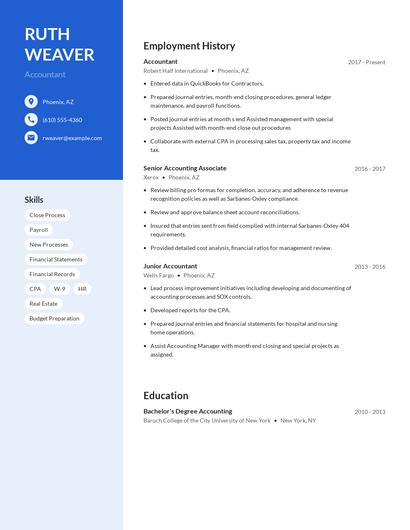
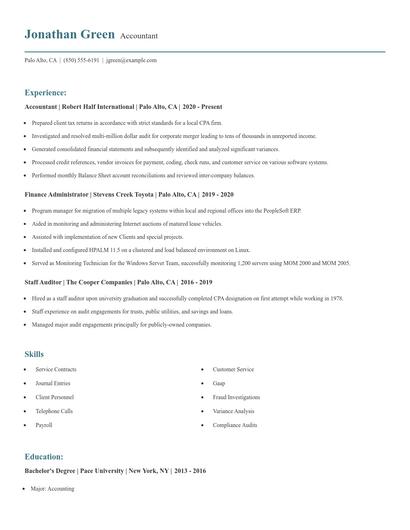
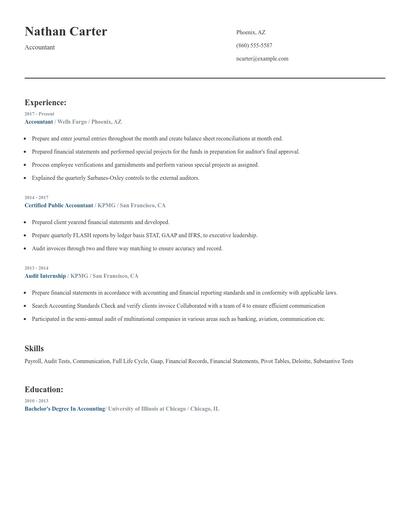
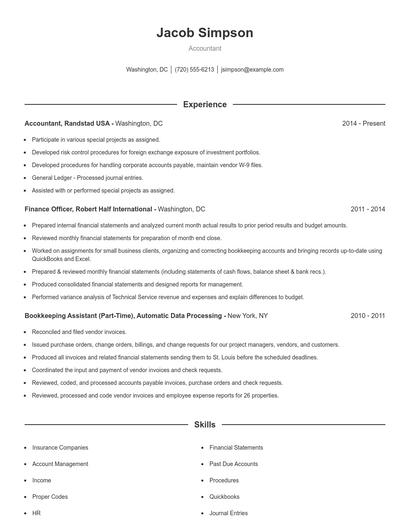
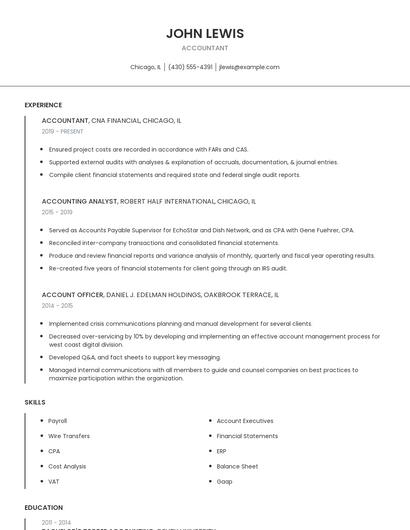
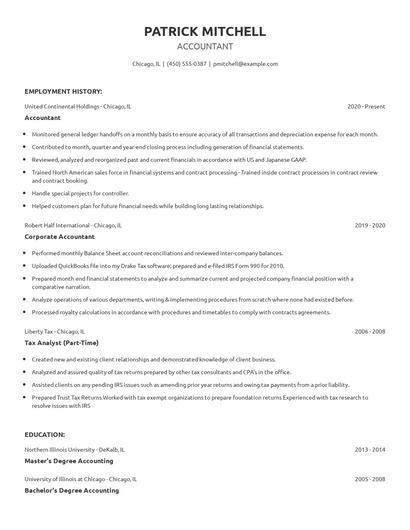
Choose from 10+ customizable resume templates
Zippia allows you to choose from different easy-to-use templates, and provides you with expert advice. Using the templates, you can rest assured that the structure and format of your resume is top notch. Choose a template with the colors, fonts & text sizes that are appropriate for your industry.